
About This Book
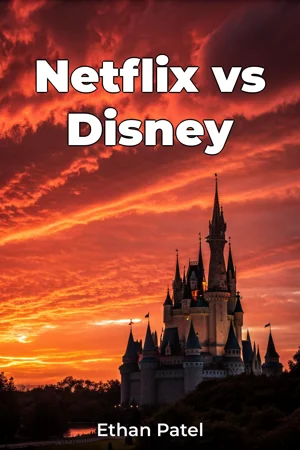
Can one company’s innovative disruption truly dethrone a century-old entertainment empire? This book, *Netflix vs Disney*, dissects the epic battle between the streaming giant Netflix and the media conglomerate Disney, exploring how their contrasting strategies have reshaped the landscape of film and television. This exploration is vital for understanding the dynamics of modern business in the digital age. It examines not only the strategies of these two powerhouses, but also the broader implications for innovation, competition, and consumer behavior in the entertainment industry and beyond. The book delves into the context of the rapidly evolving streaming landscape, built on a history of technological advancements and shifts in media consumption habits, to set the stage for how these companies compete. At the heart of this book lies the central argument that Disney's legacy, content library, and strategic pivots, specifically its aggressive entry into the streaming market with Disney+, represent a formidable defense against Netflix's disruptive innovation. While Netflix revolutionized content delivery, Disney possesses enduring brand loyalty and a wealth of intellectual property that create a powerful advantage in the long term. The book begins by outlining the historical trajectories of Netflix and Disney, highlighting their respective rises to prominence. It then investigates the strategic choices each company made in response to the changing media environment. Major points of analysis include: Netflix's early adoption of streaming technology and data-driven content creation; Disney's initial reluctance to fully embrace streaming and eventual strategic shift toward Disney+; and the competitive dynamics surrounding content acquisition, production, and distribution. The culmination of the argument demonstrates the strengths and weaknesses of each company's approach and considers the implications for the future of entertainment. The analysis considers applicable lessons for businesses in any industry navigating disruption. The arguments presented in this book are supported by a diverse range of evidence, including financial reports, market analysis, industry publications, and case studies of specific content strategies. Publicly available data sources are combined with insightful analysis of the competitive landscape. The book also draws connections to fields such as strategic management, marketing, and consumer behavior, providing a holistic understanding of the forces at play. These connections enrich the argument by underscoring the broader relevance of the Netflix-Disney rivalry to business strategy and innovation theory. A unique perspective of this book sets it apart by offering a balanced assessment of both Netflix's and Disney's strategies, avoiding the common narrative of one company's inevitable triumph. It recognizes the enduring power of established brands while acknowledging the transformative potential of disruptive innovation. Written in a professional but accessible style, the book is intended for business professionals, students of media and management, and anyone interested in the future of entertainment. It would be valuable to them by offering strategic insights into navigating disruption, competing in the digital age, and building sustainable competitive advantage. The book adheres to the conventions of the business management genre by providing clear analysis, evidence-based arguments, and practical implications for readers. The scope of the book is intentionally focused on the strategic competition between Netflix and Disney, while acknowledging that the broader media landscape includes many other significant players. Ultimately, this book provides readers with a framework for understanding how established companies can adapt to disruptive innovations and how innovative newcomers can build sustainable businesses in dynamic markets. The book addresses the ongoing debate about the future of entertainment, offering a nuanced perspective on whether streaming will ultimately consolidate into a few dominant players or remain a fragmented and competitive landscape.
Can one company’s innovative disruption truly dethrone a century-old entertainment empire? This book, *Netflix vs Disney*, dissects the epic battle between the streaming giant Netflix and the media conglomerate Disney, exploring how their contrasting strategies have reshaped the landscape of film and television. This exploration is vital for understanding the dynamics of modern business in the digital age. It examines not only the strategies of these two powerhouses, but also the broader implications for innovation, competition, and consumer behavior in the entertainment industry and beyond. The book delves into the context of the rapidly evolving streaming landscape, built on a history of technological advancements and shifts in media consumption habits, to set the stage for how these companies compete. At the heart of this book lies the central argument that Disney's legacy, content library, and strategic pivots, specifically its aggressive entry into the streaming market with Disney+, represent a formidable defense against Netflix's disruptive innovation. While Netflix revolutionized content delivery, Disney possesses enduring brand loyalty and a wealth of intellectual property that create a powerful advantage in the long term. The book begins by outlining the historical trajectories of Netflix and Disney, highlighting their respective rises to prominence. It then investigates the strategic choices each company made in response to the changing media environment. Major points of analysis include: Netflix's early adoption of streaming technology and data-driven content creation; Disney's initial reluctance to fully embrace streaming and eventual strategic shift toward Disney+; and the competitive dynamics surrounding content acquisition, production, and distribution. The culmination of the argument demonstrates the strengths and weaknesses of each company's approach and considers the implications for the future of entertainment. The analysis considers applicable lessons for businesses in any industry navigating disruption. The arguments presented in this book are supported by a diverse range of evidence, including financial reports, market analysis, industry publications, and case studies of specific content strategies. Publicly available data sources are combined with insightful analysis of the competitive landscape. The book also draws connections to fields such as strategic management, marketing, and consumer behavior, providing a holistic understanding of the forces at play. These connections enrich the argument by underscoring the broader relevance of the Netflix-Disney rivalry to business strategy and innovation theory. A unique perspective of this book sets it apart by offering a balanced assessment of both Netflix's and Disney's strategies, avoiding the common narrative of one company's inevitable triumph. It recognizes the enduring power of established brands while acknowledging the transformative potential of disruptive innovation. Written in a professional but accessible style, the book is intended for business professionals, students of media and management, and anyone interested in the future of entertainment. It would be valuable to them by offering strategic insights into navigating disruption, competing in the digital age, and building sustainable competitive advantage. The book adheres to the conventions of the business management genre by providing clear analysis, evidence-based arguments, and practical implications for readers. The scope of the book is intentionally focused on the strategic competition between Netflix and Disney, while acknowledging that the broader media landscape includes many other significant players. Ultimately, this book provides readers with a framework for understanding how established companies can adapt to disruptive innovations and how innovative newcomers can build sustainable businesses in dynamic markets. The book addresses the ongoing debate about the future of entertainment, offering a nuanced perspective on whether streaming will ultimately consolidate into a few dominant players or remain a fragmented and competitive landscape.
"Netflix vs Disney" explores the intense competition between the streaming giant Netflix and the media conglomerate Disney, revealing how their contrasting strategies have redefined the film and television industry. The book dissects how Disney's extensive content library and strategic pivots, such as the launch of Disney+, pose a significant challenge to Netflix's disruptive innovation in the digital age. It illustrates how Netflix revolutionized content delivery through streaming, while Disney leverages enduring brand loyalty and intellectual property to maintain a competitive advantage. The book provides a balanced assessment of both companies' approaches to content strategy and business management. It examines Netflix's early adoption of streaming technology and data-driven content creation alongside Disney's strategic shift towards streaming. Supported by financial reports, market analysis, and industry publications, the book offers insights into navigating disruption and building a sustainable competitive advantage. It begins by outlining the historical trajectories of both companies and culminates in an analysis of their strengths and weaknesses, offering valuable lessons for businesses in any industry.
Book Details
ISBN
9788233987817
Publisher
Publifye AS
Your Licenses
You don't own any licenses for this book
Purchase a license below to unlock this book and download the EPUB.
Purchase License
Select a tier to unlock this book
Need bulk licensing?
Contact us for enterprise agreements.