
About This Book
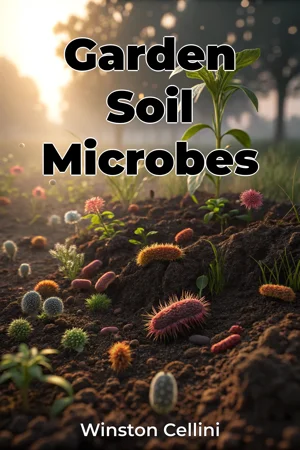
Could the secret to improved mood and a stronger immune system be as close as the garden soil beneath our feet? This book, "Garden Soil Microbes," delves into the burgeoning field of soil microbiology, revealing the profound and largely unexplored connection between the diverse microbial communities in soil and human health. We explore how interaction with these microorganisms, primarily through skin contact and inhalation, can positively influence our mental and physical well-being. This book tackles two central questions: First, what specific microbes in soil contribute to these beneficial effects? Second, what are the biological mechanisms through which these microbes communicate with our bodies, modulating mood and bolstering immunity? Understanding these aspects is crucial because it challenges conventional views of human health, which often overlook the critical role of environmental factors and microbial exposures. The historical context for this research lies in the traditional understanding of the "great outdoors" as restorative and the more recent development of the "hygiene hypothesis," which posits that reduced exposure to microbes in childhood can lead to increased susceptibility to allergies and autoimmune diseases. Building upon these ideas, we examine cutting-edge research in soil microbiology, immunology, and neuroscience to reveal a complex interplay between the soil microbiome and human physiology. The central argument of "Garden Soil Microbes" is that exposure to specific beneficial bacteria in soil can act as a natural antidepressant and immune modulator, offering a novel approach to preventative health and wellness. This argument is vital because it suggests that restoring our connection with the natural world, particularly through gardening and outdoor activities, may offer accessible and effective strategies for improving overall health. The book is structured in three distinct sections. First, we introduce the fascinating world of soil microbes, exploring its biodiversity and ecological roles. This section covers the types of bacteria, fungi, and other microorganisms commonly found in garden soil, with a particular focus on those with documented health benefits. Second, we delve into the science behind microbial-human interaction, examining the pathways through which soil microbes communicate with our bodies. This section covers the role of the gut-skin-brain axis, exploring how microbes can influence neurotransmitter production, immune cell function, and even gene expression. Third, we discuss the practical implications of this research, offering guidance on how to harness the power of soil microbes for improved health and well-being. This includes tips on gardening practices that promote beneficial microbial communities, as well as strategies for incorporating soil exposure into daily life. The evidence presented in this book is drawn from a range of sources, including peer-reviewed scientific articles, clinical studies, and field research. We will analyze data from soil samples, immunological assays, and neuroimaging studies to support claims about the specific microbes and mechanisms involved. A unique aspect of our research involves meta-analysis of existing studies to identify consistent patterns and trends across different soil types and geographical regions. "Garden Soil Microbes" bridges several disciplines, including microbiology, immunology, neuroscience, and environmental science. By integrating findings from these diverse fields, we offer a holistic perspective on the relationship between soil, microbes, and human health. This interdisciplinary approach allows us to identify novel connections and insights that would not be apparent from a single perspective. This book offers a fresh perspective by framing soil microbes not merely as environmental factors, but as active participants in our health and well-being. We challenge the prevailing view of microbes as primarily harmful pathogens and instead highlight their potential as allies in promoting mental and physical health. Written in a style that is both accessible and informative, "Garden Soil Microbes" is intended for a broad audience, including gardeners, health enthusiasts, scientists, and anyone interested in the intersection of nature and well-being. Its value lies in providing a science-based understanding of how to leverage the power of soil microbes to improve overall health. The scope of this book is limited to the effects of soil microbes on mood and immunity, with a focus on mechanisms related to skin contact and inhalation. While other aspects of soil microbiology, such as plant health and nutrient cycling, are relevant, they are not the primary focus of this work. The information presented in this book has real-world applications, including informing gardening practices, promoting outdoor activities, and developing new strategies for preventative health. By understanding the beneficial effects of soil microbes, readers can make informed choices about their lifestyles and environments to optimize their health. While the field of soil microbiology and human health is rapidly evolving, there are questions and areas of debate. Some researchers, for example, dispute the precise mechanisms through which soil microbes influence the gut-brain axis. Others emphasize the potential risks of exposure to harmful pathogens in soil. We address these controversies head-on, presenting a balanced and nuanced view of the current state of research.
Could the secret to improved mood and a stronger immune system be as close as the garden soil beneath our feet? This book, "Garden Soil Microbes," delves into the burgeoning field of soil microbiology, revealing the profound and largely unexplored connection between the diverse microbial communities in soil and human health. We explore how interaction with these microorganisms, primarily through skin contact and inhalation, can positively influence our mental and physical well-being. This book tackles two central questions: First, what specific microbes in soil contribute to these beneficial effects? Second, what are the biological mechanisms through which these microbes communicate with our bodies, modulating mood and bolstering immunity? Understanding these aspects is crucial because it challenges conventional views of human health, which often overlook the critical role of environmental factors and microbial exposures. The historical context for this research lies in the traditional understanding of the "great outdoors" as restorative and the more recent development of the "hygiene hypothesis," which posits that reduced exposure to microbes in childhood can lead to increased susceptibility to allergies and autoimmune diseases. Building upon these ideas, we examine cutting-edge research in soil microbiology, immunology, and neuroscience to reveal a complex interplay between the soil microbiome and human physiology. The central argument of "Garden Soil Microbes" is that exposure to specific beneficial bacteria in soil can act as a natural antidepressant and immune modulator, offering a novel approach to preventative health and wellness. This argument is vital because it suggests that restoring our connection with the natural world, particularly through gardening and outdoor activities, may offer accessible and effective strategies for improving overall health. The book is structured in three distinct sections. First, we introduce the fascinating world of soil microbes, exploring its biodiversity and ecological roles. This section covers the types of bacteria, fungi, and other microorganisms commonly found in garden soil, with a particular focus on those with documented health benefits. Second, we delve into the science behind microbial-human interaction, examining the pathways through which soil microbes communicate with our bodies. This section covers the role of the gut-skin-brain axis, exploring how microbes can influence neurotransmitter production, immune cell function, and even gene expression. Third, we discuss the practical implications of this research, offering guidance on how to harness the power of soil microbes for improved health and well-being. This includes tips on gardening practices that promote beneficial microbial communities, as well as strategies for incorporating soil exposure into daily life. The evidence presented in this book is drawn from a range of sources, including peer-reviewed scientific articles, clinical studies, and field research. We will analyze data from soil samples, immunological assays, and neuroimaging studies to support claims about the specific microbes and mechanisms involved. A unique aspect of our research involves meta-analysis of existing studies to identify consistent patterns and trends across different soil types and geographical regions. "Garden Soil Microbes" bridges several disciplines, including microbiology, immunology, neuroscience, and environmental science. By integrating findings from these diverse fields, we offer a holistic perspective on the relationship between soil, microbes, and human health. This interdisciplinary approach allows us to identify novel connections and insights that would not be apparent from a single perspective. This book offers a fresh perspective by framing soil microbes not merely as environmental factors, but as active participants in our health and well-being. We challenge the prevailing view of microbes as primarily harmful pathogens and instead highlight their potential as allies in promoting mental and physical health. Written in a style that is both accessible and informative, "Garden Soil Microbes" is intended for a broad audience, including gardeners, health enthusiasts, scientists, and anyone interested in the intersection of nature and well-being. Its value lies in providing a science-based understanding of how to leverage the power of soil microbes to improve overall health. The scope of this book is limited to the effects of soil microbes on mood and immunity, with a focus on mechanisms related to skin contact and inhalation. While other aspects of soil microbiology, such as plant health and nutrient cycling, are relevant, they are not the primary focus of this work. The information presented in this book has real-world applications, including informing gardening practices, promoting outdoor activities, and developing new strategies for preventative health. By understanding the beneficial effects of soil microbes, readers can make informed choices about their lifestyles and environments to optimize their health. While the field of soil microbiology and human health is rapidly evolving, there are questions and areas of debate. Some researchers, for example, dispute the precise mechanisms through which soil microbes influence the gut-brain axis. Others emphasize the potential risks of exposure to harmful pathogens in soil. We address these controversies head-on, presenting a balanced and nuanced view of the current state of research.
"Garden Soil Microbes" explores the fascinating link between soil microbiology and human well-being, challenging conventional views by highlighting the beneficial roles of soil microbes. It delves into how exposure to these microorganisms, through gardening and outdoor activities, can positively influence our mood and strengthen our immune system. The book investigates specific microbes responsible for these effects and the biological mechanisms through which they communicate with our bodies, impacting mental and physical health. Did you know that certain bacteria in soil can act as a natural antidepressant? Or that exposure to diverse microbes may modulate our immune responses? The book progresses from introducing the biodiversity of soil microbes and their ecological roles to examining the science behind microbial-human interaction, with a focus on the gut-skin-brain axis. It then discusses practical applications, offering guidance on gardening practices and lifestyle choices to harness the power of soil microbes for improved health. This approach bridges microbiology, immunology, and neuroscience, providing a holistic perspective on the relationship between soil, microbes, and human health, making it valuable for gardeners, health enthusiasts, and scientists alike.
Book Details
ISBN
9788233987701
Publisher
Publifye AS
Your Licenses
You don't own any licenses for this book
Purchase a license below to unlock this book and download the EPUB.
Purchase License
Select a tier to unlock this book
Need bulk licensing?
Contact us for enterprise agreements.