
About This Book
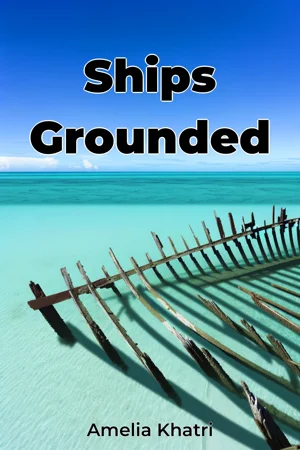
What secrets lie beneath the waves and sands, whispered only by the rusting remains of once-mighty ships? "Ships Grounded" embarks on a global exploration of maritime disasters, delving into the stories of legendary vessels that met their untimely ends on treacherous shores. This book isn't just about shipwrecks; it's about the intersection of human ambition, natural forces, and the enduring legacy of maritime history. We will examine two fundamental topics: the environmental factors that contribute to groundings and the historical contexts that shaped these voyages. Understanding the often unpredictable nature of weather patterns, navigational challenges, and the geological features of coastlines is critical. Equally important is contextualizing each ship within its era, considering the political climate, economic pressures, and technological limitations that influenced its fate. The central argument of "Ships Grounded" is that each shipwreck serves as a tangible artifact, revealing invaluable insights into past maritime practices, technological advancements, and the complex relationship between humanity and the sea. By studying these grounded vessels, we gain a deeper appreciation of the risks and rewards associated with seafaring and a heightened awareness of the ocean's power. This book unfolds in three distinct sections. Initially, it introduces core concepts related to naval architecture, maritime navigation, and the causes of shipwrecks, providing a foundation for understanding the subsequent case studies. The subsequent sections delve into specific geographical regions and eras, analyzing significant groundings and exploring the circumstances that led to their demise. The third part connects these historical events to modern-day challenges, such as environmental preservation and the sustainable management of coastal resources. We conclude by reflecting on the lessons learned from these maritime tragedies and their relevance to contemporary seafaring. The evidence presented will be derived from diverse sources, including archival records, nautical charts, eyewitness accounts, and archaeological surveys of wreck sites. We incorporate photographic documentation and 3D models of select sites. This work connects to diverse fields like oceanography, archaeology, and environmental science. Oceanography provides insight into the physical processes causing groundings. Archaeology provides insights from the wrecks themselves. Environmental science shows us the effect of these wrecks on their environment. "Ships Grounded" takes a unique approach by combining historical narrative with scientific and technological perspectives. It seeks to reconstruct not only the events leading up to each grounding but also the environmental and human factors that played a role. The writing style is designed to be accessible and engaging, appealing to both general readers and maritime enthusiasts. While grounded in rigorous research, the book avoids overly technical jargon. The target audience includes history buffs, travel enthusiasts, maritime history aficionados, and anyone interested in learning about shipwrecks.. As a work of travel and history, the book adheres to genre conventions by offering detailed descriptions of locations and historical events coupled with rigorous research and analysis. The scope of "Ships Grounded" is limited to cases where grounding was the primary cause of the ship’s loss. It does not cover sinkings caused by enemy action during wartime, focusing instead on accidents stemming from navigation errors, weather conditions, or structural failures. The insights provided can be applied practically to improve maritime safety regulations, enhance navigational technologies, and promote responsible tourism around shipwreck sites. While shipwrecks are often romanticized in popular culture, this book addresses ongoing debates about the ethical treatment of wreck sites, the environmental impact of these submerged remains, and the balance between preservation and exploration. These ships are a part of the oceans' history and should be treated with respect.
What secrets lie beneath the waves and sands, whispered only by the rusting remains of once-mighty ships? "Ships Grounded" embarks on a global exploration of maritime disasters, delving into the stories of legendary vessels that met their untimely ends on treacherous shores. This book isn't just about shipwrecks; it's about the intersection of human ambition, natural forces, and the enduring legacy of maritime history. We will examine two fundamental topics: the environmental factors that contribute to groundings and the historical contexts that shaped these voyages. Understanding the often unpredictable nature of weather patterns, navigational challenges, and the geological features of coastlines is critical. Equally important is contextualizing each ship within its era, considering the political climate, economic pressures, and technological limitations that influenced its fate. The central argument of "Ships Grounded" is that each shipwreck serves as a tangible artifact, revealing invaluable insights into past maritime practices, technological advancements, and the complex relationship between humanity and the sea. By studying these grounded vessels, we gain a deeper appreciation of the risks and rewards associated with seafaring and a heightened awareness of the ocean's power. This book unfolds in three distinct sections. Initially, it introduces core concepts related to naval architecture, maritime navigation, and the causes of shipwrecks, providing a foundation for understanding the subsequent case studies. The subsequent sections delve into specific geographical regions and eras, analyzing significant groundings and exploring the circumstances that led to their demise. The third part connects these historical events to modern-day challenges, such as environmental preservation and the sustainable management of coastal resources. We conclude by reflecting on the lessons learned from these maritime tragedies and their relevance to contemporary seafaring. The evidence presented will be derived from diverse sources, including archival records, nautical charts, eyewitness accounts, and archaeological surveys of wreck sites. We incorporate photographic documentation and 3D models of select sites. This work connects to diverse fields like oceanography, archaeology, and environmental science. Oceanography provides insight into the physical processes causing groundings. Archaeology provides insights from the wrecks themselves. Environmental science shows us the effect of these wrecks on their environment. "Ships Grounded" takes a unique approach by combining historical narrative with scientific and technological perspectives. It seeks to reconstruct not only the events leading up to each grounding but also the environmental and human factors that played a role. The writing style is designed to be accessible and engaging, appealing to both general readers and maritime enthusiasts. While grounded in rigorous research, the book avoids overly technical jargon. The target audience includes history buffs, travel enthusiasts, maritime history aficionados, and anyone interested in learning about shipwrecks.. As a work of travel and history, the book adheres to genre conventions by offering detailed descriptions of locations and historical events coupled with rigorous research and analysis. The scope of "Ships Grounded" is limited to cases where grounding was the primary cause of the ship’s loss. It does not cover sinkings caused by enemy action during wartime, focusing instead on accidents stemming from navigation errors, weather conditions, or structural failures. The insights provided can be applied practically to improve maritime safety regulations, enhance navigational technologies, and promote responsible tourism around shipwreck sites. While shipwrecks are often romanticized in popular culture, this book addresses ongoing debates about the ethical treatment of wreck sites, the environmental impact of these submerged remains, and the balance between preservation and exploration. These ships are a part of the oceans' history and should be treated with respect.
"Ships Grounded" explores the captivating world of maritime disasters, focusing on the historical and environmental factors behind shipwrecks. It examines how human ambition, unpredictable weather, and navigational challenges have led to vessels meeting their demise on treacherous shores. Each shipwreck is presented as a tangible artifact, offering insights into past maritime practices, technological advancements, and the complex relationship between humanity and the sea. The book is structured into sections that build upon each other, beginning with an introduction to naval architecture and maritime navigation. It then progresses into case studies of specific geographical regions and eras, analyzing significant groundings and the circumstances surrounding them. The book uniquely connects these historical events to modern-day challenges, such as environmental preservation and the sustainable management of coastal resources, emphasizing the importance of learning from maritime tragedies to improve contemporary seafaring practices. Grounded ships are a part of the oceans' history and should be treated with respect.
Book Details
ISBN
9788233987633
Publisher
Publifye AS
Your Licenses
You don't own any licenses for this book
Purchase a license below to unlock this book and download the EPUB.
Purchase License
Select a tier to unlock this book
Need bulk licensing?
Contact us for enterprise agreements.