
About This Book
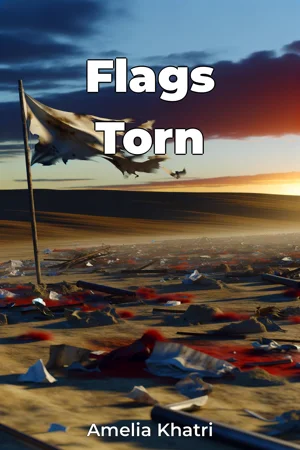
Can a piece of cloth, tattered and torn, encapsulate the spirit of a nation or the fervor of a rebellion? "Flags Torn" argues that it can, and does. This book explores the potent symbolism embedded within damaged, defaced, and destroyed flags throughout world history. Understanding this symbolism offers crucial insights into the rise and fall of nations, the dynamics of revolution, and the enduring power of collective identity. These flags, often dismissed as mere remnants, function as tangible artifacts that reveal the complex narratives of human struggle and aspiration. We delve into three key areas: flags as emblems of rebellious movements, flags representing nations that have ceased to exist, and flags marking pivotal moments of historical change. Why are these topics important? Because studying these "torn flags" allows us to understand the emotional and ideological forces that shape global political landscapes. These flags serve as visual shorthand for complex historical processes, offering a powerful, immediate connection to the past. Throughout history, flags have served as potent symbols of national identity, political ideology, and collective belonging. Their destruction or degradation often signifies profound shifts in power, societal upheaval, or the collapse of existing orders. "Flags Torn" posits that these acts of defacement are not simply acts of vandalism but deliberate attempts to rewrite narratives, challenge authority, and redefine identity. Our central argument is that the act of tearing or otherwise damaging a flag is a performative act of defiance and reinterpretation, laden with symbolic weight and capable of influencing public sentiment and even the course of history. The book unfolds in three distinct parts. First, we introduce the concept of flags as powerful symbols and explore the various ways in which they acquire meaning. Second, we examine case studies of flags torn during significant rebellions (such as the American Revolution, the French Revolution, and various anti-colonial movements), focusing on how their defacement embodies the rejection of established power structures and the assertion of new identities. This section will analyze the specific ways in which these flags were torn, burned, or otherwise altered to convey specific messages. Third, we analyze flags representing lost nations. These fallen flags serve as somber reminders of disappeared cultures, empires, and political entities. Finally, the book culminates by examining flags torn or desecrated during specific catalytic historical moments. These include wartime defeats, political assassinations, and major social upheavals. Our evidence draws from a variety of sources including historical accounts, eyewitness testimonies, archival photographs, propaganda material, and sociological analyses of collective behavior. A unique aspect of this book is its interdisciplinary approach, connecting history with political science, art history, and sociology. The political science perspective helps us understand the power dynamics inherent in flag desecration. Art historical analysis exposes flag design and deconstruction. Sociological insight elucidates how populations create their own flags and understand the consequences of desecration. This book will be of particular interest to history enthusiasts, political science students, and anyone interested in the power of symbols in shaping human behavior. The accessible writing style ensures that the complex historical events can be understood by a broad audience. "Flags Torn" does not aim to provide an exhaustive account of every instance of flag desecration in history. Rather, it seeks to offer a framework for understanding the enduring significance of these damaged symbols. The book is likely to spark discussion regarding the balance between freedom of expression and respect for national symbols. The information presented in this book can inform discussions surrounding patriotism, nationalism, and the role of symbols in political discourse.
Can a piece of cloth, tattered and torn, encapsulate the spirit of a nation or the fervor of a rebellion? "Flags Torn" argues that it can, and does. This book explores the potent symbolism embedded within damaged, defaced, and destroyed flags throughout world history. Understanding this symbolism offers crucial insights into the rise and fall of nations, the dynamics of revolution, and the enduring power of collective identity. These flags, often dismissed as mere remnants, function as tangible artifacts that reveal the complex narratives of human struggle and aspiration. We delve into three key areas: flags as emblems of rebellious movements, flags representing nations that have ceased to exist, and flags marking pivotal moments of historical change. Why are these topics important? Because studying these "torn flags" allows us to understand the emotional and ideological forces that shape global political landscapes. These flags serve as visual shorthand for complex historical processes, offering a powerful, immediate connection to the past. Throughout history, flags have served as potent symbols of national identity, political ideology, and collective belonging. Their destruction or degradation often signifies profound shifts in power, societal upheaval, or the collapse of existing orders. "Flags Torn" posits that these acts of defacement are not simply acts of vandalism but deliberate attempts to rewrite narratives, challenge authority, and redefine identity. Our central argument is that the act of tearing or otherwise damaging a flag is a performative act of defiance and reinterpretation, laden with symbolic weight and capable of influencing public sentiment and even the course of history. The book unfolds in three distinct parts. First, we introduce the concept of flags as powerful symbols and explore the various ways in which they acquire meaning. Second, we examine case studies of flags torn during significant rebellions (such as the American Revolution, the French Revolution, and various anti-colonial movements), focusing on how their defacement embodies the rejection of established power structures and the assertion of new identities. This section will analyze the specific ways in which these flags were torn, burned, or otherwise altered to convey specific messages. Third, we analyze flags representing lost nations. These fallen flags serve as somber reminders of disappeared cultures, empires, and political entities. Finally, the book culminates by examining flags torn or desecrated during specific catalytic historical moments. These include wartime defeats, political assassinations, and major social upheavals. Our evidence draws from a variety of sources including historical accounts, eyewitness testimonies, archival photographs, propaganda material, and sociological analyses of collective behavior. A unique aspect of this book is its interdisciplinary approach, connecting history with political science, art history, and sociology. The political science perspective helps us understand the power dynamics inherent in flag desecration. Art historical analysis exposes flag design and deconstruction. Sociological insight elucidates how populations create their own flags and understand the consequences of desecration. This book will be of particular interest to history enthusiasts, political science students, and anyone interested in the power of symbols in shaping human behavior. The accessible writing style ensures that the complex historical events can be understood by a broad audience. "Flags Torn" does not aim to provide an exhaustive account of every instance of flag desecration in history. Rather, it seeks to offer a framework for understanding the enduring significance of these damaged symbols. The book is likely to spark discussion regarding the balance between freedom of expression and respect for national symbols. The information presented in this book can inform discussions surrounding patriotism, nationalism, and the role of symbols in political discourse.
"Flags Torn" examines the powerful symbolism of damaged and destroyed flags throughout world history, revealing insights into national identity, political ideology, and historical change. Flags, often seen as simple emblems, become potent artifacts when torn or defaced, embodying rebellion, the fall of nations, and pivotal historical shifts. For example, a torn flag can represent not just defeat, but a deliberate act of defiance, challenging authority and rewriting narratives. The book explores flags in rebellious movements, flags of lost nations, and flags marking catalytic historical moments. It posits that tearing a flag is a performative act, laden with symbolic weight, influencing public sentiment and history. Using historical accounts, photographs, and sociological analyses, "Flags Torn" adopts an interdisciplinary approach, connecting history with political science, art history, and sociology to understand the complex power dynamics and cultural significance embedded within these symbols. Organized in three parts, the book first introduces flags as powerful symbols. Second, it examines torn flags during rebellions, focusing on how their defacement rejects established power. Finally, it analyzes flags representing lost nations and those desecrated during key historical moments. This approach provides a framework for understanding the enduring significance of these damaged symbols and their impact on collective identity and global political landscapes.
Book Details
ISBN
9788233987626
Publisher
Publifye AS
Your Licenses
You don't own any licenses for this book
Purchase a license below to unlock this book and download the EPUB.
Purchase License
Select a tier to unlock this book
Need bulk licensing?
Contact us for enterprise agreements.