
About This Book
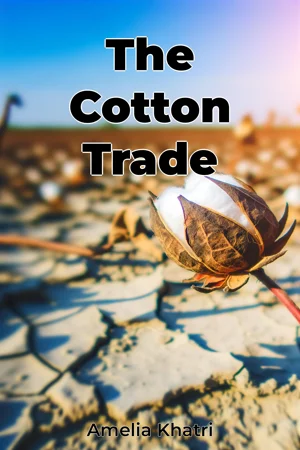
How did a single plant transform global economies, reshape societies, and fuel both innovation and exploitation? "The Cotton Trade" explores the multifaceted history of cotton, tracing its journey from humble agricultural beginnings to its reign as the king of textiles and a driving force behind the Industrial Revolution. This book delves into the crucial developments that established cotton as a global commodity, examining its agricultural practices, technological advancements in manufacturing, and the complex social and economic systems that both propelled and were shaped by its dominance. The book centers on three core themes: the evolution of cotton agriculture, the technological revolution in textile manufacturing, and the establishment of global trade networks intertwined with labor systems. These themes are critical because understanding the cotton trade offers a unique lens through which to examine the broader narratives of industrialization, globalization, and social change. The story of cotton is not just about fabric; it is about the movement of capital, the exploitation of labor, and the reshaping of power structures across continents. To fully appreciate the scope of cotton's influence, context is crucial. The narrative unfolds against the backdrop of European colonialism, the rise of capitalism, and the transatlantic slave trade. Readers should possess a basic understanding of these historical periods to grasp the profound impact of cotton on global power dynamics. The central argument of "The Cotton Trade" asserts that cotton, more than any other commodity, served as the catalyst for the modern global economy. It demonstrates how the demand for cotton spurred technological innovation, reshaped agricultural landscapes, and established patterns of trade and labor that continue to resonate today. This argument is significant because it challenges traditional narratives of industrialization, highlighting the critical role of raw materials and often-overlooked human costs. The book unfolds in a structured manner, beginning with an introduction to the origins of cotton cultivation and its early uses. It then develops into three major sections: First, the expansion of cotton agriculture, focusing on plantation economies and the role of enslaved labor in the Americas. Second, the rise of textile manufacturing in Europe and the United States, exploring the impact of inventions like the cotton gin and the power loom. Finally, the establishment of global trade networks, analyzing the movement of raw cotton and finished goods, and the financial systems that supported this vast enterprise. The book culminates by discussing the legacy of the cotton trade, including its environmental impact, its role in shaping modern consumer culture, and its continued relevance in the 21st century. "The Cotton Trade" relies on a diverse range of evidence, including historical documents, trade statistics, agricultural records, and accounts from merchants, planters, and laborers. It draws upon archival research from both European and American sources to present a comprehensive and nuanced picture of the cotton trade. The book connects to several disciplines, including economic history, environmental studies, and sociology. By examining the environmental impact of cotton cultivation, the book contributes to discussions about sustainable agriculture and resource management. By analyzing the social consequences of the cotton trade, it contributes to debates about inequality, labor rights, and global justice. A unique aspect of "The Cotton Trade" is its focus on the interconnectedness of these themes, demonstrating how agricultural practices, technological innovations, and trade networks were mutually reinforcing. This holistic approach provides a more complete understanding of the cotton trade than traditional analyses that focus on individual aspects in isolation. The book is written in a clear and accessible style, aiming to engage both academic and general readers. It avoids jargon and technical terms, while still maintaining scholarly rigor. The target audience includes students of history, economics, and business, as well as anyone interested in the history of globalization and the Industrial Revolution. The book will be valuable to readers seeking a deeper understanding of the complex forces that have shaped the modern world. As a work of non-fiction, "The Cotton Trade" adheres to the principles of accuracy, objectivity, and transparency. It presents evidence-based arguments and acknowledges alternative perspectives. The scope of the book is broad, covering the period from the 16th century to the present day. However, it focuses primarily on the transatlantic cotton trade and its impact on Europe and the Americas, with less emphasis on other cotton-producing regions. The information in "The Cotton Trade" has practical applications for understanding contemporary global supply chains, the environmental impacts of agriculture, and the challenges of achieving fair labor practices in a globalized economy. The book addresses ongoing debates about the legacy of slavery and colonialism, and the extent to which these historical injustices continue to shape economic inequalities today. It provides a nuanced perspective on these complex issues, encouraging readers to critically examine the past and its relevance to the present.
How did a single plant transform global economies, reshape societies, and fuel both innovation and exploitation? "The Cotton Trade" explores the multifaceted history of cotton, tracing its journey from humble agricultural beginnings to its reign as the king of textiles and a driving force behind the Industrial Revolution. This book delves into the crucial developments that established cotton as a global commodity, examining its agricultural practices, technological advancements in manufacturing, and the complex social and economic systems that both propelled and were shaped by its dominance. The book centers on three core themes: the evolution of cotton agriculture, the technological revolution in textile manufacturing, and the establishment of global trade networks intertwined with labor systems. These themes are critical because understanding the cotton trade offers a unique lens through which to examine the broader narratives of industrialization, globalization, and social change. The story of cotton is not just about fabric; it is about the movement of capital, the exploitation of labor, and the reshaping of power structures across continents. To fully appreciate the scope of cotton's influence, context is crucial. The narrative unfolds against the backdrop of European colonialism, the rise of capitalism, and the transatlantic slave trade. Readers should possess a basic understanding of these historical periods to grasp the profound impact of cotton on global power dynamics. The central argument of "The Cotton Trade" asserts that cotton, more than any other commodity, served as the catalyst for the modern global economy. It demonstrates how the demand for cotton spurred technological innovation, reshaped agricultural landscapes, and established patterns of trade and labor that continue to resonate today. This argument is significant because it challenges traditional narratives of industrialization, highlighting the critical role of raw materials and often-overlooked human costs. The book unfolds in a structured manner, beginning with an introduction to the origins of cotton cultivation and its early uses. It then develops into three major sections: First, the expansion of cotton agriculture, focusing on plantation economies and the role of enslaved labor in the Americas. Second, the rise of textile manufacturing in Europe and the United States, exploring the impact of inventions like the cotton gin and the power loom. Finally, the establishment of global trade networks, analyzing the movement of raw cotton and finished goods, and the financial systems that supported this vast enterprise. The book culminates by discussing the legacy of the cotton trade, including its environmental impact, its role in shaping modern consumer culture, and its continued relevance in the 21st century. "The Cotton Trade" relies on a diverse range of evidence, including historical documents, trade statistics, agricultural records, and accounts from merchants, planters, and laborers. It draws upon archival research from both European and American sources to present a comprehensive and nuanced picture of the cotton trade. The book connects to several disciplines, including economic history, environmental studies, and sociology. By examining the environmental impact of cotton cultivation, the book contributes to discussions about sustainable agriculture and resource management. By analyzing the social consequences of the cotton trade, it contributes to debates about inequality, labor rights, and global justice. A unique aspect of "The Cotton Trade" is its focus on the interconnectedness of these themes, demonstrating how agricultural practices, technological innovations, and trade networks were mutually reinforcing. This holistic approach provides a more complete understanding of the cotton trade than traditional analyses that focus on individual aspects in isolation. The book is written in a clear and accessible style, aiming to engage both academic and general readers. It avoids jargon and technical terms, while still maintaining scholarly rigor. The target audience includes students of history, economics, and business, as well as anyone interested in the history of globalization and the Industrial Revolution. The book will be valuable to readers seeking a deeper understanding of the complex forces that have shaped the modern world. As a work of non-fiction, "The Cotton Trade" adheres to the principles of accuracy, objectivity, and transparency. It presents evidence-based arguments and acknowledges alternative perspectives. The scope of the book is broad, covering the period from the 16th century to the present day. However, it focuses primarily on the transatlantic cotton trade and its impact on Europe and the Americas, with less emphasis on other cotton-producing regions. The information in "The Cotton Trade" has practical applications for understanding contemporary global supply chains, the environmental impacts of agriculture, and the challenges of achieving fair labor practices in a globalized economy. The book addresses ongoing debates about the legacy of slavery and colonialism, and the extent to which these historical injustices continue to shape economic inequalities today. It provides a nuanced perspective on these complex issues, encouraging readers to critically examine the past and its relevance to the present.
"The Cotton Trade" unravels the story of how a single plant became the engine of the global economy, especially during the Industrial Revolution. It examines cotton's pivotal role in shaping societies, from its agricultural roots to its dominance in textile manufacturing. The book highlights intriguing facts, such as how the demand for cotton spurred technological innovation, like the cotton gin and the power loom, and how it reshaped agricultural landscapes, particularly in plantation economies reliant on enslaved labor. The book explores the evolution of cotton agriculture, the technological advancements in textile production, and the establishment of global trade networks intertwined with labor systems. The narrative progresses chronologically, beginning with the origins of cotton cultivation and moving through the expansion of plantation economies, the rise of textile manufacturing, and the establishment of global trade networks. This approach provides a holistic understanding of how agricultural practices, technological innovations, and trade networks were mutually reinforcing.
Book Details
ISBN
9788233987565
Publisher
Publifye AS
Your Licenses
You don't own any licenses for this book
Purchase a license below to unlock this book and download the EPUB.
Purchase License
Select a tier to unlock this book
Need bulk licensing?
Contact us for enterprise agreements.