
About This Book
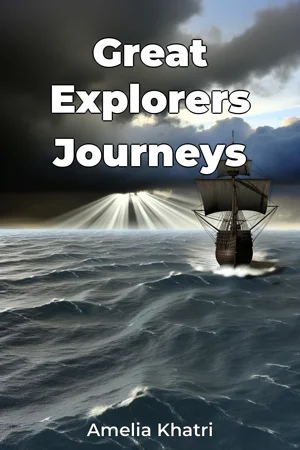
What drove individuals to risk their lives venturing into the unknown, forever altering the course of human history? *Great Explorers Journeys* examines the transformative expeditions of history's most prominent explorers, from Christopher Columbus to Ferdinand Magellan, detailing not only their voyages but also the profound and lasting impact they had on the world. This book delves into the age of exploration, providing a detailed analysis of the motivations, methods, and consequences that shaped the modern world. This book emphasizes two key topics: the socio-political context that fueled these expeditions, and the long-term effects of exploration on global trade, cultural exchange, and geopolitical power dynamics. Understanding these topics is essential because they provide insight into the complex interplay between exploration, colonization, and the interconnectedness of nations. To fully appreciate the magnitude of these voyages, it's necessary to understand the prevailing conditions of the 15th and 16th centuries. European powers, driven by economic ambition and a thirst for new trade routes, sought to circumvent existing trade monopolies. Advances in navigation, mapmaking, and shipbuilding made long-distance voyages feasible, although incredibly dangerous. Our central argument is that the age of exploration was not solely driven by a thirst for discovery, but also by the dynamics of power, economic competition, and the imposition of European culture on newly encountered lands; while these explorations expanded the known world, they also initiated a period of exploitation and cultural disruption that continues to resonate today. This argument is vital, as it challenges romanticized narratives of exploration and encourages a more critical understanding of its legacy. The book is structured to provide a comprehensive overview of this era. It begins by introducing the key players and their initial motivations, exploring the advancements in technology that enabled these long voyages. It then develops these ideas through chapters dedicated to specific explorers and their journeys, like Columbus' encounters in the Americas and Magellan's circumnavigation of the globe and the subsequent Columbian Exchange. Each chapter analyzes the impact this adventure had, the people they encountered, and the complex consequences, intended or not. The book culminates by examining the long-term effects of exploration, highlighting the shift in global power, the development of global trade networks, and the complex legacy of cultural exchange and colonialism. It offers practical applications by encouraging readers to consider how these historical events shape contemporary issues of globalization and cultural understanding. This book relies heavily on primary source materials, including excerpts from explorers' journals, ship logs, and contemporary accounts. It also incorporates secondary scholarship from historians, geographers, and anthropologists, providing a balanced and nuanced perspective. The historical events discussed connect to other fields of study such as economics, political science, and anthropology, each offering its own perspective on the consequences of early exploration. This interdisciplinary approach gives readers a more holistic understanding of the complex forces at play. This book offers a fresh perspective by examining not just accomplishments of these explorers but also the ethical implications and societal consequences of their actions. It strives to provide a balanced account of the expeditions. Written in narrative non-fiction style, *Great Explorers Journeys* is designed for history enthusiasts, students, and anyone interested in understanding the forces that have shaped the modern world. Its accessible language and engaging storytelling make it a valuable resource for those seeking a deeper understanding of this pivotal period in human history. As a work of history, this book adheres to the principles of accuracy, objectivity, and clear sourcing. While the book seeks to provide a broad overview of the age of exploration, the focus remains on the major European expeditions and their immediate consequences. By understanding the journeys, readers can better appreciate the complexities of globalization, cultural exchange, and the enduring impact of colonialism. One ongoing debate in this field revolves around the ethical implications of exploration and the legacy of colonialism. This book addresses these controversies head-on, acknowledging that exploration was accompanied by exploitation and cultural disruption, and encouraging readers to consider the long-term consequences of these actions. *Great Explorers Journeys* seeks to foster a deeper understanding of the past and its relevance to the present.
What drove individuals to risk their lives venturing into the unknown, forever altering the course of human history? *Great Explorers Journeys* examines the transformative expeditions of history's most prominent explorers, from Christopher Columbus to Ferdinand Magellan, detailing not only their voyages but also the profound and lasting impact they had on the world. This book delves into the age of exploration, providing a detailed analysis of the motivations, methods, and consequences that shaped the modern world. This book emphasizes two key topics: the socio-political context that fueled these expeditions, and the long-term effects of exploration on global trade, cultural exchange, and geopolitical power dynamics. Understanding these topics is essential because they provide insight into the complex interplay between exploration, colonization, and the interconnectedness of nations. To fully appreciate the magnitude of these voyages, it's necessary to understand the prevailing conditions of the 15th and 16th centuries. European powers, driven by economic ambition and a thirst for new trade routes, sought to circumvent existing trade monopolies. Advances in navigation, mapmaking, and shipbuilding made long-distance voyages feasible, although incredibly dangerous. Our central argument is that the age of exploration was not solely driven by a thirst for discovery, but also by the dynamics of power, economic competition, and the imposition of European culture on newly encountered lands; while these explorations expanded the known world, they also initiated a period of exploitation and cultural disruption that continues to resonate today. This argument is vital, as it challenges romanticized narratives of exploration and encourages a more critical understanding of its legacy. The book is structured to provide a comprehensive overview of this era. It begins by introducing the key players and their initial motivations, exploring the advancements in technology that enabled these long voyages. It then develops these ideas through chapters dedicated to specific explorers and their journeys, like Columbus' encounters in the Americas and Magellan's circumnavigation of the globe and the subsequent Columbian Exchange. Each chapter analyzes the impact this adventure had, the people they encountered, and the complex consequences, intended or not. The book culminates by examining the long-term effects of exploration, highlighting the shift in global power, the development of global trade networks, and the complex legacy of cultural exchange and colonialism. It offers practical applications by encouraging readers to consider how these historical events shape contemporary issues of globalization and cultural understanding. This book relies heavily on primary source materials, including excerpts from explorers' journals, ship logs, and contemporary accounts. It also incorporates secondary scholarship from historians, geographers, and anthropologists, providing a balanced and nuanced perspective. The historical events discussed connect to other fields of study such as economics, political science, and anthropology, each offering its own perspective on the consequences of early exploration. This interdisciplinary approach gives readers a more holistic understanding of the complex forces at play. This book offers a fresh perspective by examining not just accomplishments of these explorers but also the ethical implications and societal consequences of their actions. It strives to provide a balanced account of the expeditions. Written in narrative non-fiction style, *Great Explorers Journeys* is designed for history enthusiasts, students, and anyone interested in understanding the forces that have shaped the modern world. Its accessible language and engaging storytelling make it a valuable resource for those seeking a deeper understanding of this pivotal period in human history. As a work of history, this book adheres to the principles of accuracy, objectivity, and clear sourcing. While the book seeks to provide a broad overview of the age of exploration, the focus remains on the major European expeditions and their immediate consequences. By understanding the journeys, readers can better appreciate the complexities of globalization, cultural exchange, and the enduring impact of colonialism. One ongoing debate in this field revolves around the ethical implications of exploration and the legacy of colonialism. This book addresses these controversies head-on, acknowledging that exploration was accompanied by exploitation and cultural disruption, and encouraging readers to consider the long-term consequences of these actions. *Great Explorers Journeys* seeks to foster a deeper understanding of the past and its relevance to the present.
*Great Explorers Journeys* delves into the Age of Exploration, examining the daring voyages of figures like Christopher Columbus and Ferdinand Magellan. It highlights the socio-political context that fueled these expeditions and their lasting impact on global trade, cultural exchange, and geopolitical power. Early European powers, driven by economic ambitions, sought new trade routes, and advancements in navigation facilitated long-distance voyages. The book analyzes the motivations, methods, and consequences that shaped the modern world, emphasizing that exploration was intertwined with power dynamics, economic competition, and cultural imposition. The book progresses by introducing key players and their motivations, then dedicates chapters to specific explorers and their journeys, like Columbus' encounters in the Americas and Magellan's circumnavigation. Each chapter analyzes the adventure's impact, the people encountered, and the consequences. The book culminates by examining the long-term effects of exploration, highlighting the shift in global power, the development of global trade networks, and the complex legacy of cultural exchange and colonialism. It offers a critical understanding of exploration, challenging romanticized narratives and fostering a deeper appreciation of its complexities.
Book Details
ISBN
9788233987534
Publisher
Publifye AS
Your Licenses
You don't own any licenses for this book
Purchase a license below to unlock this book and download the EPUB.
Purchase License
Select a tier to unlock this book
Need bulk licensing?
Contact us for enterprise agreements.