
About This Book
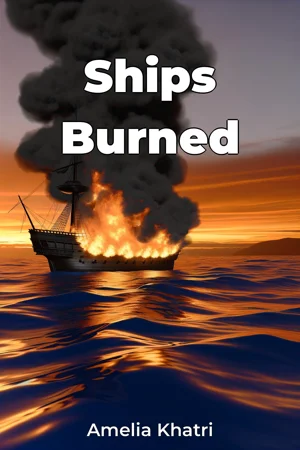
Why would seasoned sailors deliberately destroy their own ships? "Ships Burned" delves into the often-overlooked history of naval warfare, exploring instances of intentional ship destruction as a strategic and tactical imperative. This book illuminates the practice of scuttling, burning, and otherwise demolishing vessels, not as acts of desperation, but as calculated decisions that shaped the outcomes of conflicts and altered the course of naval history. Understanding these events offers crucial insight into the strategic mindset of naval commanders and the complex interplay of factors influencing maritime warfare. This volume examines two key areas: the tactical use of fire in naval battles and the strategic scuttling of ships to prevent capture or disrupt enemy plans. Burning ships were often employed as offensive weapons, either directly in combat or as fire ships sent to wreak havoc on enemy fleets. Scuttling, on the other hand, served as a defensive measure, denying valuable assets to the enemy and preserving strategic advantages. These topics are significant because they reveal a side of naval history often eclipsed by accounts of grand fleet engagements and heroic boarding actions. They demonstrate that destruction could be as vital a tool as construction and combat prowess. The book traces the use of burning ships from ancient times through the age of sail, contextualizing each event within its specific historical, technological, and geopolitical environment. The narrative will consider factors such as shipbuilding techniques, naval tactics, and the prevailing political climates to provide a comprehensive understanding of why and how ships were burned. This study argues that the intentional destruction of ships, whether in the heat of battle or as a calculated act of denial, played a more significant role in shaping naval history than is commonly acknowledged. It was not merely a desperate measure but often a carefully considered strategy with profound consequences. "Ships Burned" is structured chronologically to offer a comprehensive historical overview. Part one introduces the earliest uses of fire as a weapon at sea, examining battles in antiquity and the medieval period. Part two focuses on the age of sail, exploring the rise of fire ships and the increasing sophistication of scuttling techniques. Part three analyzes instances of ship burning in the modern era, including both world wars and modern conflicts. Each chapter presents detailed accounts of specific events, supported by historical documents, archaeological findings, and naval architecture analysis. Evidence will be drawn from primary sources such as ships’ logs, eyewitness accounts, and official naval records, as well as secondary sources including scholarly articles and historical analyses. The book will also integrate insights from archaeology, examining the remains of burned or scuttled ships to understand the physical processes of destruction and the motivations behind them. This investigation connects military history with maritime archaeology, naval architecture, and strategic studies, providing a holistic perspective on naval warfare. The book takes a narrative non-fiction approach, blending detailed historical accounts with engaging storytelling to bring these events to life for the reader. The target audience includes naval history enthusiasts, military historians, students of maritime strategy, and anyone interested in the darker side of naval warfare. The information is presented in a manner accessible to both academic and general audiences. While "Ships Burned" provides a broad overview of the topic of naval ship destruction, it focuses primarily on instances where burning or scuttling served a clear strategic or tactical purpose. It does not delve deeply into accidental fires or incidents of sabotage without clear military implications. The book aims to provide a nuanced understanding of a complex topic, recognizing that the decision to destroy a ship was often fraught with ethical and practical considerations. By exploring these events, "Ships Burned" offers a fresh perspective on naval history, adding a crucial dimension to our understanding of maritime conflict.
Why would seasoned sailors deliberately destroy their own ships? "Ships Burned" delves into the often-overlooked history of naval warfare, exploring instances of intentional ship destruction as a strategic and tactical imperative. This book illuminates the practice of scuttling, burning, and otherwise demolishing vessels, not as acts of desperation, but as calculated decisions that shaped the outcomes of conflicts and altered the course of naval history. Understanding these events offers crucial insight into the strategic mindset of naval commanders and the complex interplay of factors influencing maritime warfare. This volume examines two key areas: the tactical use of fire in naval battles and the strategic scuttling of ships to prevent capture or disrupt enemy plans. Burning ships were often employed as offensive weapons, either directly in combat or as fire ships sent to wreak havoc on enemy fleets. Scuttling, on the other hand, served as a defensive measure, denying valuable assets to the enemy and preserving strategic advantages. These topics are significant because they reveal a side of naval history often eclipsed by accounts of grand fleet engagements and heroic boarding actions. They demonstrate that destruction could be as vital a tool as construction and combat prowess. The book traces the use of burning ships from ancient times through the age of sail, contextualizing each event within its specific historical, technological, and geopolitical environment. The narrative will consider factors such as shipbuilding techniques, naval tactics, and the prevailing political climates to provide a comprehensive understanding of why and how ships were burned. This study argues that the intentional destruction of ships, whether in the heat of battle or as a calculated act of denial, played a more significant role in shaping naval history than is commonly acknowledged. It was not merely a desperate measure but often a carefully considered strategy with profound consequences. "Ships Burned" is structured chronologically to offer a comprehensive historical overview. Part one introduces the earliest uses of fire as a weapon at sea, examining battles in antiquity and the medieval period. Part two focuses on the age of sail, exploring the rise of fire ships and the increasing sophistication of scuttling techniques. Part three analyzes instances of ship burning in the modern era, including both world wars and modern conflicts. Each chapter presents detailed accounts of specific events, supported by historical documents, archaeological findings, and naval architecture analysis. Evidence will be drawn from primary sources such as ships’ logs, eyewitness accounts, and official naval records, as well as secondary sources including scholarly articles and historical analyses. The book will also integrate insights from archaeology, examining the remains of burned or scuttled ships to understand the physical processes of destruction and the motivations behind them. This investigation connects military history with maritime archaeology, naval architecture, and strategic studies, providing a holistic perspective on naval warfare. The book takes a narrative non-fiction approach, blending detailed historical accounts with engaging storytelling to bring these events to life for the reader. The target audience includes naval history enthusiasts, military historians, students of maritime strategy, and anyone interested in the darker side of naval warfare. The information is presented in a manner accessible to both academic and general audiences. While "Ships Burned" provides a broad overview of the topic of naval ship destruction, it focuses primarily on instances where burning or scuttling served a clear strategic or tactical purpose. It does not delve deeply into accidental fires or incidents of sabotage without clear military implications. The book aims to provide a nuanced understanding of a complex topic, recognizing that the decision to destroy a ship was often fraught with ethical and practical considerations. By exploring these events, "Ships Burned" offers a fresh perspective on naval history, adding a crucial dimension to our understanding of maritime conflict.
"Ships Burned" explores the underappreciated history of deliberately destroying ships in naval warfare, revealing how burning and scuttling vessels often served as calculated strategic decisions rather than desperate acts. This book illuminates how these actions shaped conflicts and altered naval history. One intriguing fact is that burning ships were used offensively as fire ships to devastate enemy fleets, while scuttling served defensively to deny resources and preserve strategic advantages. This approach of destruction was as vital as construction in naval strategy. The book examines the tactical use of fire and the strategic value of scuttling across different eras. Starting from ancient times, it progresses through the age of sail, highlighting the rise of fire ships and sophisticated scuttling techniques. It then analyzes ship burning in modern conflicts, including both World Wars. "Ships Burned" draws from historical documents, archaeological findings, and naval analysis to offer a comprehensive understanding of why ships were intentionally destroyed.
Book Details
ISBN
9788233987510
Publisher
Publifye AS
Your Licenses
You don't own any licenses for this book
Purchase a license below to unlock this book and download the EPUB.
Purchase License
Select a tier to unlock this book
Need bulk licensing?
Contact us for enterprise agreements.