
About This Book
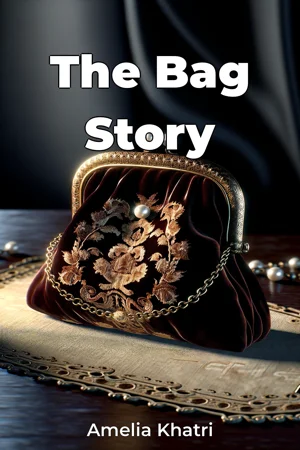
Have you ever considered the journey of the bag, from a simple necessity to a ubiquitous symbol of status and style? "The Bag Story" delves into the captivating history of bags, tracing their evolution from rudimentary pouches to complex, multifaceted accessories that reflect cultural shifts, technological advancements, and the ever-changing landscape of fashion. This book is not merely a chronicle of design; it is an exploration of how bags have mirrored and shaped society itself. Two central themes drive our narrative: the functional evolution of the bag and its symbolic representation across different historical periods. The functional aspect examines the materials and construction of bags, highlighting innovations that enhanced their practicality and durability. The symbolic aspect explores how bags communicate social status, gender roles, and personal identity, revealing their profound cultural significance. Understanding both themes is key to appreciating the bag's enduring appeal throughout history. To fully grasp this evolution, we'll journey through centuries of social and technological development. From ancient civilizations using simple pouches for survival to the rise of luxury handbags in the 20th and 21st centuries, each era provides crucial context. Familiarity with basic historical periods and an interest in design or fashion will enrich the reading experience, but no prior specialized knowledge is required. "The Bag Story" argues that the history of the bag is, in essence, a microcosm of human history. By analyzing the bag's form and function, we can gain insights into the values, priorities, and aspirations of different societies. This argument underlines the book's core message: the bag is more than just an object; it is a reflection of who we are. The book unfolds in three major parts. First, we introduce the earliest forms of bags, examining their construction and use in ancient cultures. Then, we trace the bag's development through the Middle Ages and the Renaissance, exploring the influence of trade, travel, and changing social norms. Finally, we analyze the emergence of the modern bag industry, focusing on design innovations, mass production, and the bag's role in contemporary fashion and culture. The conclusion provides a synthesis of these historical trends, offering perspectives on the future of bags as both functional objects and cultural symbols. Our research draws on a diverse range of sources, including museum archives, historical inventories, fashion periodicals, and design patents. We incorporate visual analysis of extant bags, textual analysis of period documents, and quantitative data on bag production and sales to support our arguments. The book's interdisciplinary nature connects it to several fields, notably archaeology, sociology, and art history. Archaeology provides insights into the earliest forms of bags and their uses in ancient societies. Sociology helps us understand the social meanings attached to bags in different cultures. Art history offers a framework for analyzing the aesthetic qualities of bags and their role in visual culture. These interdisciplinary connections enrich our understanding of the bag as a multifaceted object. "The Bag Story" offers a fresh perspective by treating bags not merely as accessories but as artifacts that reveal broader historical trends. This approach allows us to uncover hidden narratives about gender, class, and identity that are often overlooked in traditional histories of fashion. Written in a clear and engaging style, the book aims to appeal to a wide audience, including students of design and history, fashion enthusiasts, and anyone curious about the cultural significance of everyday objects. Its accessible language and abundant illustrations make it both informative and enjoyable to read. As a work of historical design analysis, "The Bag Story" adheres to rigorous standards of scholarship, presenting fact-based information and well-supported arguments. While the book provides a comprehensive overview of bag history, its primary focus is on Western cultures, with occasional comparisons to non-Western traditions. Ultimately, "The Bag Story" offers readers a new way to understand the world around them. By examining the history of the bag, we can gain a deeper appreciation for the complex interplay between culture, technology, and design that shapes our lives. The book encourages readers to consider the stories behind the objects we use every day and to recognize the profound ways in which they reflect our shared human experience. The history of bags may touch on debates surrounding consumerism and sustainability within the fashion industry, but the book focuses on the historical evolution and cultural significance of bags, leaving the contemporary debates to more specialized works.
Have you ever considered the journey of the bag, from a simple necessity to a ubiquitous symbol of status and style? "The Bag Story" delves into the captivating history of bags, tracing their evolution from rudimentary pouches to complex, multifaceted accessories that reflect cultural shifts, technological advancements, and the ever-changing landscape of fashion. This book is not merely a chronicle of design; it is an exploration of how bags have mirrored and shaped society itself. Two central themes drive our narrative: the functional evolution of the bag and its symbolic representation across different historical periods. The functional aspect examines the materials and construction of bags, highlighting innovations that enhanced their practicality and durability. The symbolic aspect explores how bags communicate social status, gender roles, and personal identity, revealing their profound cultural significance. Understanding both themes is key to appreciating the bag's enduring appeal throughout history. To fully grasp this evolution, we'll journey through centuries of social and technological development. From ancient civilizations using simple pouches for survival to the rise of luxury handbags in the 20th and 21st centuries, each era provides crucial context. Familiarity with basic historical periods and an interest in design or fashion will enrich the reading experience, but no prior specialized knowledge is required. "The Bag Story" argues that the history of the bag is, in essence, a microcosm of human history. By analyzing the bag's form and function, we can gain insights into the values, priorities, and aspirations of different societies. This argument underlines the book's core message: the bag is more than just an object; it is a reflection of who we are. The book unfolds in three major parts. First, we introduce the earliest forms of bags, examining their construction and use in ancient cultures. Then, we trace the bag's development through the Middle Ages and the Renaissance, exploring the influence of trade, travel, and changing social norms. Finally, we analyze the emergence of the modern bag industry, focusing on design innovations, mass production, and the bag's role in contemporary fashion and culture. The conclusion provides a synthesis of these historical trends, offering perspectives on the future of bags as both functional objects and cultural symbols. Our research draws on a diverse range of sources, including museum archives, historical inventories, fashion periodicals, and design patents. We incorporate visual analysis of extant bags, textual analysis of period documents, and quantitative data on bag production and sales to support our arguments. The book's interdisciplinary nature connects it to several fields, notably archaeology, sociology, and art history. Archaeology provides insights into the earliest forms of bags and their uses in ancient societies. Sociology helps us understand the social meanings attached to bags in different cultures. Art history offers a framework for analyzing the aesthetic qualities of bags and their role in visual culture. These interdisciplinary connections enrich our understanding of the bag as a multifaceted object. "The Bag Story" offers a fresh perspective by treating bags not merely as accessories but as artifacts that reveal broader historical trends. This approach allows us to uncover hidden narratives about gender, class, and identity that are often overlooked in traditional histories of fashion. Written in a clear and engaging style, the book aims to appeal to a wide audience, including students of design and history, fashion enthusiasts, and anyone curious about the cultural significance of everyday objects. Its accessible language and abundant illustrations make it both informative and enjoyable to read. As a work of historical design analysis, "The Bag Story" adheres to rigorous standards of scholarship, presenting fact-based information and well-supported arguments. While the book provides a comprehensive overview of bag history, its primary focus is on Western cultures, with occasional comparisons to non-Western traditions. Ultimately, "The Bag Story" offers readers a new way to understand the world around them. By examining the history of the bag, we can gain a deeper appreciation for the complex interplay between culture, technology, and design that shapes our lives. The book encourages readers to consider the stories behind the objects we use every day and to recognize the profound ways in which they reflect our shared human experience. The history of bags may touch on debates surrounding consumerism and sustainability within the fashion industry, but the book focuses on the historical evolution and cultural significance of bags, leaving the contemporary debates to more specialized works.
"The Bag Story" explores the captivating history of bags, revealing their evolution from simple pouches to complex symbols of status and style. This journey through time highlights how bags mirror cultural shifts, technological advancements, and the ever-changing landscape of fashion. Intriguingly, the book unveils the dual nature of bags, examining both their practical functionality and their symbolic representation across different historical periods. The book argues that the history of the bag is a microcosm of human history, offering insights into societal values and aspirations through the analysis of bag form and function. For example, bags have historically communicated social status and gender roles, making them more than mere accessories. "The Bag Story" progresses chronologically, beginning with ancient civilizations and continuing through the Middle Ages, the Renaissance, and the emergence of the modern bag industry.
Book Details
ISBN
9788233987503
Publisher
Publifye AS
Your Licenses
You don't own any licenses for this book
Purchase a license below to unlock this book and download the EPUB.
Purchase License
Select a tier to unlock this book
Need bulk licensing?
Contact us for enterprise agreements.