
About This Book
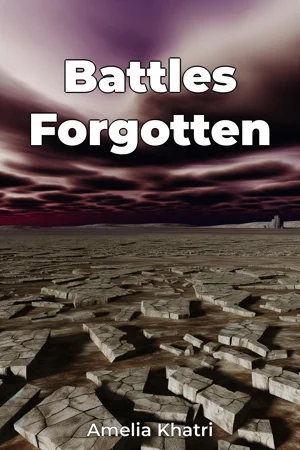
Can forgotten battles still teach us about warfare and history? "Battles Forgotten" resurrects pivotal military clashes erased from collective memory, piecing together fragmented accounts from ancient records to offer fresh perspectives on warfare, strategy, and the rise and fall of civilizations. This book delves into conflicts whose outcomes and lessons have been obscured by time, examining why these battles faded from historical narratives and what their rediscovery reveals about the dynamics of power, the evolution of military tactics, and the interpretation of history itself. The central argument of "Battles Forgotten" is that the conventional historical narrative of military history is incomplete and potentially skewed due to the selective survival and interpretation of evidence. By analyzing battles excluded from mainstream accounts, this book aims to provide a more nuanced understanding of conflict throughout history, revealing the multifaceted nature of war and its impact on societies. This is important because it challenges accepted wisdom, encourages critical examination of historical sources, and offers valuable insights for contemporary military strategy and geopolitical analysis. To achieve this, the book is structured around three main themes. First, it explores the political and social factors that led to the exclusion of these battles from historical records, examining issues like bias in ancient sources, the suppression of unfavorable outcomes, and the focus on dominant narratives. Second, the book undertakes detailed analyses of specific, previously overlooked battles, reconstructing their context, participants, strategies, and consequences using archaeological findings, newly translated texts, and interdisciplinary research. Finally, it assesses the broader implications of these rediscovered battles for understanding military history, geopolitical developments, and the cyclical nature of conflict. The evidence presented in "Battles Forgotten" is drawn from diverse sources, including newly translated ancient texts, archaeological discoveries, numismatic evidence, and comparative analyses of military tactics across different cultures. Special attention is given to corroborating accounts from multiple sources to mitigate biases inherent in individual records. This comprehensive approach ensures a rigorous and balanced reconstruction of these forgotten conflicts. "Battles Forgotten" connects to several other fields, including archaeology, political science, and cultural studies. The archaeological evidence provides crucial physical context for the battles, while political science helps understand the power dynamics that influenced their outcomes. Cultural studies shed light on how different societies perceived and recorded these events. These interdisciplinary connections enrich the analysis and provide a more comprehensive understanding of the battles and their significance. The book's unique approach lies in its focus on conflict that has been marginalized or erased from mainstream historical narratives. By highlighting these overlooked battles, "Battles Forgotten" challenges conventional wisdom and encourages a more critical and inclusive understanding of military history. Written in a clear and accessible style, "Battles Forgotten" is intended for a broad audience, including history enthusiasts, military strategists, students, and anyone interested in a new perspective on the past. It offers valuable insights into the complexities of warfare and the importance of critically examining historical sources. "Battles Forgotten" also offers an understanding of how the narratives of military history are constructed, and who benefits from the telling. The scope of "Battles Forgotten" encompasses a range of geographical regions and historical periods, focusing on conflicts that have been demonstrably overlooked in mainstream accounts. While the scope is broad, the book acknowledges the limitations of incomplete historical records and emphasizes the importance of ongoing research and reevaluation. The insights gleaned from "Battles Forgotten" can be applied to contemporary military strategy by providing a broader understanding of the variables influencing conflict outcomes. By studying battles that defy conventional wisdom, military analysts can develop more robust and adaptable strategies for navigating complex geopolitical landscapes. "Battles Forgotten" dives into contested interpretations of military history, particularly concerning the motivations and biases of ancient historians. By presenting multiple perspectives and encouraging critical analysis, the book engages with these debates and contributes to a more nuanced understanding of the past.
Can forgotten battles still teach us about warfare and history? "Battles Forgotten" resurrects pivotal military clashes erased from collective memory, piecing together fragmented accounts from ancient records to offer fresh perspectives on warfare, strategy, and the rise and fall of civilizations. This book delves into conflicts whose outcomes and lessons have been obscured by time, examining why these battles faded from historical narratives and what their rediscovery reveals about the dynamics of power, the evolution of military tactics, and the interpretation of history itself. The central argument of "Battles Forgotten" is that the conventional historical narrative of military history is incomplete and potentially skewed due to the selective survival and interpretation of evidence. By analyzing battles excluded from mainstream accounts, this book aims to provide a more nuanced understanding of conflict throughout history, revealing the multifaceted nature of war and its impact on societies. This is important because it challenges accepted wisdom, encourages critical examination of historical sources, and offers valuable insights for contemporary military strategy and geopolitical analysis. To achieve this, the book is structured around three main themes. First, it explores the political and social factors that led to the exclusion of these battles from historical records, examining issues like bias in ancient sources, the suppression of unfavorable outcomes, and the focus on dominant narratives. Second, the book undertakes detailed analyses of specific, previously overlooked battles, reconstructing their context, participants, strategies, and consequences using archaeological findings, newly translated texts, and interdisciplinary research. Finally, it assesses the broader implications of these rediscovered battles for understanding military history, geopolitical developments, and the cyclical nature of conflict. The evidence presented in "Battles Forgotten" is drawn from diverse sources, including newly translated ancient texts, archaeological discoveries, numismatic evidence, and comparative analyses of military tactics across different cultures. Special attention is given to corroborating accounts from multiple sources to mitigate biases inherent in individual records. This comprehensive approach ensures a rigorous and balanced reconstruction of these forgotten conflicts. "Battles Forgotten" connects to several other fields, including archaeology, political science, and cultural studies. The archaeological evidence provides crucial physical context for the battles, while political science helps understand the power dynamics that influenced their outcomes. Cultural studies shed light on how different societies perceived and recorded these events. These interdisciplinary connections enrich the analysis and provide a more comprehensive understanding of the battles and their significance. The book's unique approach lies in its focus on conflict that has been marginalized or erased from mainstream historical narratives. By highlighting these overlooked battles, "Battles Forgotten" challenges conventional wisdom and encourages a more critical and inclusive understanding of military history. Written in a clear and accessible style, "Battles Forgotten" is intended for a broad audience, including history enthusiasts, military strategists, students, and anyone interested in a new perspective on the past. It offers valuable insights into the complexities of warfare and the importance of critically examining historical sources. "Battles Forgotten" also offers an understanding of how the narratives of military history are constructed, and who benefits from the telling. The scope of "Battles Forgotten" encompasses a range of geographical regions and historical periods, focusing on conflicts that have been demonstrably overlooked in mainstream accounts. While the scope is broad, the book acknowledges the limitations of incomplete historical records and emphasizes the importance of ongoing research and reevaluation. The insights gleaned from "Battles Forgotten" can be applied to contemporary military strategy by providing a broader understanding of the variables influencing conflict outcomes. By studying battles that defy conventional wisdom, military analysts can develop more robust and adaptable strategies for navigating complex geopolitical landscapes. "Battles Forgotten" dives into contested interpretations of military history, particularly concerning the motivations and biases of ancient historians. By presenting multiple perspectives and encouraging critical analysis, the book engages with these debates and contributes to a more nuanced understanding of the past.
"Battles Forgotten" unearths pivotal military clashes that history has largely overlooked, aiming to broaden our understanding of warfare and the rise and fall of civilizations. By piecing together fragmented accounts from ancient records and archaeological findings, the book challenges the completeness of mainstream military history. It argues that conventional narratives are skewed due to selective evidence survival and interpretation, revealing a more multifaceted picture of conflict's impact on societies. Consider, for example, how biases in ancient sources or the suppression of unfavorable outcomes can distort the past, influencing our present-day perception of military tactics and geopolitical strategies. The book explores the political and social factors behind the exclusion of these battles, offering detailed analyses of specific, previously overlooked conflicts. It reconstructs their contexts, participants, and consequences, drawing from newly translated texts and interdisciplinary research, including political science and cultural studies. This approach sheds light on overlooked lessons in military strategy and challenges accepted wisdom. The book progresses by first examining why these battles were forgotten, then reconstructing the battles themselves, and finally assessing their broader implications for understanding conflict.
Book Details
ISBN
9788233987466
Publisher
Publifye AS
Your Licenses
You don't own any licenses for this book
Purchase a license below to unlock this book and download the EPUB.
Purchase License
Select a tier to unlock this book
Need bulk licensing?
Contact us for enterprise agreements.