
About This Book
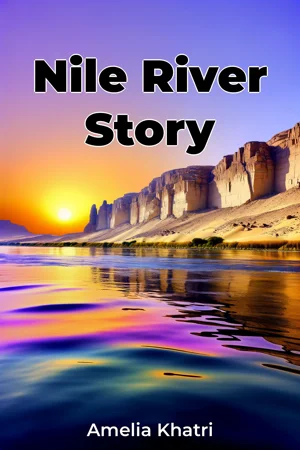
Imagine a world where a single river dictates the rise and fall of a civilization, shapes its beliefs, and sustains its very existence. This is the story of the Nile, a river that is more than just a geographical feature; it is the lifeblood of Egypt. In "Nile River Story," we explore the profound and multifaceted relationship between this iconic river and the civilization that flourished along its banks for millennia. We will examine its critical role in Egyptian society, its sacred significance in their religion and mythology, and its enduring impact on the lives of Egyptians today. This book delves into the complex interplay of geography, history, and culture that defines the Nile's importance. It provides essential context for understanding the development of ancient Egyptian civilization, requiring no prior specialization in Egyptology. Instead, it offers a multidisciplinary approach accessible to anyone interested in how the natural environment can shape human societies. "Nile River Story" argues that the Nile River was not merely a resource for ancient Egyptians but the central organizing principle of their world. The annual floods, predictable yet potentially devastating, dictated the agricultural cycle, shaped religious beliefs focused on rebirth and renewal, and influenced the very structure of Egyptian society, fostering a centralized government capable of managing irrigation and flood control. The book unfolds in three major sections. First, we introduce the geographical and hydrological characteristics of the Nile, tracing its journey from its sources in the Ethiopian Highlands and East African lakes to its delta on the Mediterranean coast. We examine the river's unique flood patterns and their impact on the fertile lands of the Nile Valley. Second, we explore the historical development of ancient Egypt focusing on the river's central role in agriculture, transportation, and trade. This section details how the Nile fostered the development of a complex society with advanced knowledge of irrigation, engineering, and astronomy. Finally, we examine the Nile's sacred role in Egyptian mythology and religion, focusing on deities associated with the river, such as Hapi, and the vital role the Nile played in funerary rituals and beliefs about the afterlife. We will culminate with an exploration of the Nile's importance in modern Egypt including challenges related to water management, pollution, and the impacts of the Aswan High Dam. The evidence presented in this book draws upon a wide array of sources, including archaeological findings, ancient texts, including hieroglyphic inscriptions, and modern scientific research on the Nile's hydrology and ecology. We incorporate recent geographic studies that shed new light on ancient land use and settlement patterns. The book draws connections between earth sciences, history, and religious studies. The geographical features of the Nile valley influenced the historical trajectory of ancient Egypt; for example, the easy navigability of the river fostered a centralized state. The Nile's impact also extended into the spiritual realm, shaping religious beliefs and practices related to the natural world. "Nile River Story" offers a holistic approach to understanding the Nile, emphasizing its interconnectedness with all aspects of Egyptian civilization, in ancient times and today. It is written in an accessible style suitable for a general audience interested in history, geography, or ancient cultures. It appeals to readers interested in non-fiction narratives that explore the relationship between humans and the environment. This book adheres to the conventions of popular non-fiction, presenting rigorous research in an engaging and accessible manner. While the book focuses primarily on Egypt, it acknowledges the Nile's wider influence on the surrounding regions and recognizes that a fully comprehensive account of the entire Nile basin is beyond the scope of this work. The book's information is directly applicable to understanding current issues related to water resource management, climate change, and sustainable development in the Nile River basin. Furthermore, the book touches on ongoing debates about the Aswan High Dam and its environmental and social impacts, offering a balanced perspective on this complex issue.
Imagine a world where a single river dictates the rise and fall of a civilization, shapes its beliefs, and sustains its very existence. This is the story of the Nile, a river that is more than just a geographical feature; it is the lifeblood of Egypt. In "Nile River Story," we explore the profound and multifaceted relationship between this iconic river and the civilization that flourished along its banks for millennia. We will examine its critical role in Egyptian society, its sacred significance in their religion and mythology, and its enduring impact on the lives of Egyptians today. This book delves into the complex interplay of geography, history, and culture that defines the Nile's importance. It provides essential context for understanding the development of ancient Egyptian civilization, requiring no prior specialization in Egyptology. Instead, it offers a multidisciplinary approach accessible to anyone interested in how the natural environment can shape human societies. "Nile River Story" argues that the Nile River was not merely a resource for ancient Egyptians but the central organizing principle of their world. The annual floods, predictable yet potentially devastating, dictated the agricultural cycle, shaped religious beliefs focused on rebirth and renewal, and influenced the very structure of Egyptian society, fostering a centralized government capable of managing irrigation and flood control. The book unfolds in three major sections. First, we introduce the geographical and hydrological characteristics of the Nile, tracing its journey from its sources in the Ethiopian Highlands and East African lakes to its delta on the Mediterranean coast. We examine the river's unique flood patterns and their impact on the fertile lands of the Nile Valley. Second, we explore the historical development of ancient Egypt focusing on the river's central role in agriculture, transportation, and trade. This section details how the Nile fostered the development of a complex society with advanced knowledge of irrigation, engineering, and astronomy. Finally, we examine the Nile's sacred role in Egyptian mythology and religion, focusing on deities associated with the river, such as Hapi, and the vital role the Nile played in funerary rituals and beliefs about the afterlife. We will culminate with an exploration of the Nile's importance in modern Egypt including challenges related to water management, pollution, and the impacts of the Aswan High Dam. The evidence presented in this book draws upon a wide array of sources, including archaeological findings, ancient texts, including hieroglyphic inscriptions, and modern scientific research on the Nile's hydrology and ecology. We incorporate recent geographic studies that shed new light on ancient land use and settlement patterns. The book draws connections between earth sciences, history, and religious studies. The geographical features of the Nile valley influenced the historical trajectory of ancient Egypt; for example, the easy navigability of the river fostered a centralized state. The Nile's impact also extended into the spiritual realm, shaping religious beliefs and practices related to the natural world. "Nile River Story" offers a holistic approach to understanding the Nile, emphasizing its interconnectedness with all aspects of Egyptian civilization, in ancient times and today. It is written in an accessible style suitable for a general audience interested in history, geography, or ancient cultures. It appeals to readers interested in non-fiction narratives that explore the relationship between humans and the environment. This book adheres to the conventions of popular non-fiction, presenting rigorous research in an engaging and accessible manner. While the book focuses primarily on Egypt, it acknowledges the Nile's wider influence on the surrounding regions and recognizes that a fully comprehensive account of the entire Nile basin is beyond the scope of this work. The book's information is directly applicable to understanding current issues related to water resource management, climate change, and sustainable development in the Nile River basin. Furthermore, the book touches on ongoing debates about the Aswan High Dam and its environmental and social impacts, offering a balanced perspective on this complex issue.
"Nile River Story" vividly illustrates the symbiotic relationship between the Nile River and the rise of Ancient Egypt, highlighting its role as more than just a water source. The book emphasizes how the river shaped Egyptian civilization, influencing everything from agriculture and trade to religion and governance. Intriguingly, the predictable flooding patterns dictated the agricultural cycles and influenced religious beliefs centered on rebirth, demonstrating the river's profound impact. The narrative unfolds by examining the Nile's geography and hydrology, followed by its historical importance in ancient Egypt and its sacred role in Egyptian mythology. The book adopts a multidisciplinary approach, blending Earth Sciences, Geography, and History to present a holistic view of the Nile's influence. It explores how the river's navigability fostered a centralized state and how its cycles shaped religious practices. The narrative progresses from the river's source to its delta, detailing its unique flood patterns and their effect on the fertile Nile Valley. The latter part of the book examines the river's contemporary challenges, including water management issues and the impact of the Aswan High Dam.
Book Details
ISBN
9788233987428
Publisher
Publifye AS
Your Licenses
You don't own any licenses for this book
Purchase a license below to unlock this book and download the EPUB.
Purchase License
Select a tier to unlock this book
Need bulk licensing?
Contact us for enterprise agreements.