
About This Book
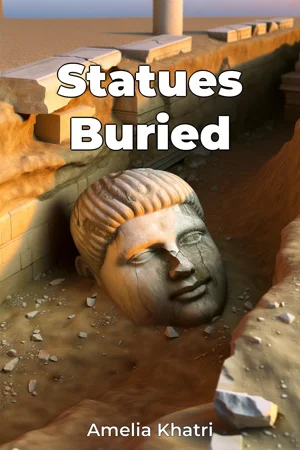
What secrets lie beneath our feet, silently awaiting rediscovery? *Statues Buried* delves into the compelling stories of sculptures deliberately interred or lost to the ravages of time, only to be unearthed centuries later by archaeologists. This book explores not only the artistic merit of these recovered works, but also the historical, social, and political contexts that led to their concealment and eventual rediscovery. The reasons for burying statues range from acts of iconoclasm and religious upheaval to practical concerns like protecting them from war or repurposing valuable materials. Understanding these motivations provides a unique window into past civilizations and their complex relationship with art and power. This book argues that the rediscovery of buried statues is more than just an archaeological find; it is a potent act of historical recovery that reshapes our understanding of the past. These unearthed artworks offer tangible links to forgotten cultures, allowing us to re-evaluate established narratives and challenge conventional historical interpretations. *Statues Buried* unfolds in three major sections. First, we examine the motives behind the burial of statues, focusing on examples from ancient Egypt, Rome, and Mesoamerica. This section explores iconoclasm, political turmoil, and resource management as drivers of statue interment. Second, the book details the archaeological processes involved in unearthing these hidden treasures, including the application of modern technologies and the ethical considerations surrounding excavation and preservation. Case studies will highlight the challenges and rewards of specific excavations, emphasizing the meticulous work of archaeologists. Finally, the book delves into the impact of these discoveries on art history and cultural heritage, examining how they have changed our perception of ancient societies and their artistic achievements. We will discuss how the unearthed statues inform our understanding of artistic techniques, religious beliefs, and social hierarchies. The book's arguments are supported by a wealth of archaeological evidence, including excavation reports, scholarly analyses of the statues themselves, and historical texts that shed light on the circumstances surrounding their burial. We will draw on primary source material where accessible, alongside the work of leading archaeologists and art historians. *Statues Buried* connects to several other academic disciplines, including religious studies (examining iconoclasm and the role of idols), political science (analyzing the use of art as a tool of power), and materials science (understanding the preservation and degradation of sculptural materials over time). These interdisciplinary connections add depth and nuance to the book's central argument, enriching the reader's understanding of the complexities involved in the burial and rediscovery of statues. The book adopts a narrative non-fiction style, presenting complex information in an accessible and engaging manner. While based upon academic rigor, the writing aims to be captivating for a general audience interested in art, history, and archaeology. The target audience includes students, researchers, and general readers with an interest in art history, archaeology, ancient civilizations, and cultural heritage management. This book offers valuable insights into the hidden stories behind some of the world's most significant artistic treasures, providing a fresh perspective on the interplay between art, history, and the human experience. As a work of art history and archaeology, *Statues Buried* adheres to the genre's conventions of rigorous research, factual accuracy, and detailed analysis. The book acknowledges that its scope is primarily limited to statues that have been deliberately buried or lost to time and subsequently rediscovered, excluding those still missing or destroyed beyond recovery. The book also focuses on specific civilizations and instances of statue burial, providing a deeper study rather than an exhaustive list. The knowledge gained from *Statues Buried* can be applied to contemporary issues surrounding cultural heritage preservation, the ethical considerations of archaeological excavation, and the importance of protecting art from destruction during times of conflict. Furthermore, the book fosters a greater appreciation for the artistic achievements of past civilizations and the enduring power of art to connect us across time. Finally, the ongoing debates surrounding the repatriation of cultural heritage are a relevant backdrop to the themes explored in *Statues Buried*, as the ownership and display of these rediscovered statues often sparks controversy. This book strives to present a balanced perspective on these complex issues.
What secrets lie beneath our feet, silently awaiting rediscovery? *Statues Buried* delves into the compelling stories of sculptures deliberately interred or lost to the ravages of time, only to be unearthed centuries later by archaeologists. This book explores not only the artistic merit of these recovered works, but also the historical, social, and political contexts that led to their concealment and eventual rediscovery. The reasons for burying statues range from acts of iconoclasm and religious upheaval to practical concerns like protecting them from war or repurposing valuable materials. Understanding these motivations provides a unique window into past civilizations and their complex relationship with art and power. This book argues that the rediscovery of buried statues is more than just an archaeological find; it is a potent act of historical recovery that reshapes our understanding of the past. These unearthed artworks offer tangible links to forgotten cultures, allowing us to re-evaluate established narratives and challenge conventional historical interpretations. *Statues Buried* unfolds in three major sections. First, we examine the motives behind the burial of statues, focusing on examples from ancient Egypt, Rome, and Mesoamerica. This section explores iconoclasm, political turmoil, and resource management as drivers of statue interment. Second, the book details the archaeological processes involved in unearthing these hidden treasures, including the application of modern technologies and the ethical considerations surrounding excavation and preservation. Case studies will highlight the challenges and rewards of specific excavations, emphasizing the meticulous work of archaeologists. Finally, the book delves into the impact of these discoveries on art history and cultural heritage, examining how they have changed our perception of ancient societies and their artistic achievements. We will discuss how the unearthed statues inform our understanding of artistic techniques, religious beliefs, and social hierarchies. The book's arguments are supported by a wealth of archaeological evidence, including excavation reports, scholarly analyses of the statues themselves, and historical texts that shed light on the circumstances surrounding their burial. We will draw on primary source material where accessible, alongside the work of leading archaeologists and art historians. *Statues Buried* connects to several other academic disciplines, including religious studies (examining iconoclasm and the role of idols), political science (analyzing the use of art as a tool of power), and materials science (understanding the preservation and degradation of sculptural materials over time). These interdisciplinary connections add depth and nuance to the book's central argument, enriching the reader's understanding of the complexities involved in the burial and rediscovery of statues. The book adopts a narrative non-fiction style, presenting complex information in an accessible and engaging manner. While based upon academic rigor, the writing aims to be captivating for a general audience interested in art, history, and archaeology. The target audience includes students, researchers, and general readers with an interest in art history, archaeology, ancient civilizations, and cultural heritage management. This book offers valuable insights into the hidden stories behind some of the world's most significant artistic treasures, providing a fresh perspective on the interplay between art, history, and the human experience. As a work of art history and archaeology, *Statues Buried* adheres to the genre's conventions of rigorous research, factual accuracy, and detailed analysis. The book acknowledges that its scope is primarily limited to statues that have been deliberately buried or lost to time and subsequently rediscovered, excluding those still missing or destroyed beyond recovery. The book also focuses on specific civilizations and instances of statue burial, providing a deeper study rather than an exhaustive list. The knowledge gained from *Statues Buried* can be applied to contemporary issues surrounding cultural heritage preservation, the ethical considerations of archaeological excavation, and the importance of protecting art from destruction during times of conflict. Furthermore, the book fosters a greater appreciation for the artistic achievements of past civilizations and the enduring power of art to connect us across time. Finally, the ongoing debates surrounding the repatriation of cultural heritage are a relevant backdrop to the themes explored in *Statues Buried*, as the ownership and display of these rediscovered statues often sparks controversy. This book strives to present a balanced perspective on these complex issues.
*Statues Buried* explores the captivating stories behind sculptures intentionally buried or lost to time, later rediscovered through archaeology. It delves into why ancient civilizations concealed these artworks, revealing insights into their cultures, beliefs, and power dynamics. Motivations ranged from iconoclasm and religious upheaval to protecting statues during war, offering a unique perspective on historical events. For instance, the deliberate burial of statues often reflected political turmoil or shifts in religious dominance, providing tangible evidence of societal changes. The book examines the meticulous archaeological processes involved in unearthing these treasures, highlighting the challenges and ethical considerations of excavation. It showcases how rediscovering buried statues reshapes our understanding of the past by challenging conventional historical interpretations. The book unfolds by first examining the motives for statue burial, then detailing the archaeological processes, and finally delving into the impact of these discoveries on art history and cultural heritage. Ultimately, the rediscovery of these statues serves as a potent act of historical recovery, connecting us to forgotten cultures.
Book Details
ISBN
9788233987367
Publisher
Publifye AS
Your Licenses
You don't own any licenses for this book
Purchase a license below to unlock this book and download the EPUB.
Purchase License
Select a tier to unlock this book
Need bulk licensing?
Contact us for enterprise agreements.