
About This Book
Have you ever wondered what secrets lie beneath the surface of North America's Great Lakes? This book, "Great Lakes Story", uncovers the intertwined history, economic significance, and maritime mysteries of these vast freshwater seas. The Great Lakes are more than just beautiful landscapes; they are vital arteries of commerce, repositories of countless shipwrecks, and dynamic ecosystems shaped by centuries of human activity and natural forces. Understanding their story is crucial to appreciating the complex relationship between humanity and the natural world. This book explores three core themes: the geological and natural history of the lakes, their pivotal role in shaping North American trade and development, and the compelling stories of the shipwrecks that now rest on their floors. We'll delve into the formation of the Great Lakes during the last ice age, examining the geological processes that sculpted their basins and defined their unique hydrological characteristics. We will then turn to the lakes' indispensable role in facilitating trade and transportation, from the early fur trade to the modern shipping industry. Finally, we will investigate the dramatic tales of lost vessels, exploring the circumstances that led to their sinking and the enduring mysteries they hold. "Great Lakes Story" argues that the lakes' geological history, economic impact, and maritime tragedies are inextricably linked, each informing and shaping the others. The book emphasizes how the lakes have consistently served as a catalyst for both progress and destruction, a dynamic that continues to resonate in contemporary environmental and economic debates. The book is structured in three principal parts. The first section provides a geological and environmental introduction to the Great Lakes, detailing their origins, their unique ecosystems, and the environmental challenges they currently face. The second section examines the lakes' history as a critical trade route. This portion explores the early fur trade, the rise of industrial shipping, and the evolution of port cities along the Great Lakes. The third section focuses on famous shipwrecks such as the Edmund Fitzgerald, examining their historical context, investigating the causes of their sinking, and exploring the ongoing efforts to preserve these underwater museums. The book culminates with a discussion of the Great Lakes' present-day significance and the challenges of balancing economic development with ecological preservation. The arguments presented in "Great Lakes Story" are supported by a variety of sources, including geological surveys, historical documents, shipping manifests, maritime records, and archaeological findings from shipwreck sites. The book incorporates primary source material from historical societies, government archives, and academic research institutions. We also analyze data from environmental monitoring programs to assess the current state of the lakes' ecosystem. "Great Lakes Story" connects to diverse fields, including environmental science, economic history, and maritime archaeology. By examining the geological formation of the lakes, the book engages with key concepts in earth science. Through the analysis of trade routes and industrial development, it directly relates to economic history. And by investigating shipwrecks and their preservation, it connects to maritime archaeology and cultural heritage studies. This book adopts a narrative non-fiction style, weaving together historical accounts, scientific data, and maritime lore to create an engaging and accessible reading experience. The target audience includes history enthusiasts, environmental advocates, divers, boaters, and anyone interested in the natural and cultural heritage of the Great Lakes region. The book will appeal to readers seeking a comprehensive and engaging overview of the Great Lakes and their multifaceted history. The scope of "Great Lakes Story" encompasses the history of all five Great Lakes – Superior, Michigan, Huron, Erie, and Ontario – from their geological origins to the present day. While the book delves into specific shipwrecks and historical events, it does not provide an exhaustive catalog of every vessel lost or every incident that occurred on the lakes. Instead, it focuses on representative examples that illuminate broader historical patterns and themes. The information presented in "Great Lakes Story" has numerous real-world applications. It raises awareness about the importance of preserving the Great Lakes ecosystem and the historical significance of the region's maritime heritage. The book provides valuable insights for policymakers, environmental organizations, and tourism agencies working to protect and promote the Great Lakes. It also offers practical knowledge for divers and boaters interested in exploring the lakes and understanding their risks. Finally, "Great Lakes Story" addresses ongoing debates surrounding the Great Lakes, including discussions about water levels, invasive species, pollution, and development pressures. By presenting diverse perspectives and analyzing the historical context of these issues, the book aims to foster a deeper understanding of the challenges facing the Great Lakes region and the importance of finding sustainable solutions.
Have you ever wondered what secrets lie beneath the surface of North America's Great Lakes? This book, "Great Lakes Story", uncovers the intertwined history, economic significance, and maritime mysteries of these vast freshwater seas. The Great Lakes are more than just beautiful landscapes; they are vital arteries of commerce, repositories of countless shipwrecks, and dynamic ecosystems shaped by centuries of human activity and natural forces. Understanding their story is crucial to appreciating the complex relationship between humanity and the natural world. This book explores three core themes: the geological and natural history of the lakes, their pivotal role in shaping North American trade and development, and the compelling stories of the shipwrecks that now rest on their floors. We'll delve into the formation of the Great Lakes during the last ice age, examining the geological processes that sculpted their basins and defined their unique hydrological characteristics. We will then turn to the lakes' indispensable role in facilitating trade and transportation, from the early fur trade to the modern shipping industry. Finally, we will investigate the dramatic tales of lost vessels, exploring the circumstances that led to their sinking and the enduring mysteries they hold. "Great Lakes Story" argues that the lakes' geological history, economic impact, and maritime tragedies are inextricably linked, each informing and shaping the others. The book emphasizes how the lakes have consistently served as a catalyst for both progress and destruction, a dynamic that continues to resonate in contemporary environmental and economic debates. The book is structured in three principal parts. The first section provides a geological and environmental introduction to the Great Lakes, detailing their origins, their unique ecosystems, and the environmental challenges they currently face. The second section examines the lakes' history as a critical trade route. This portion explores the early fur trade, the rise of industrial shipping, and the evolution of port cities along the Great Lakes. The third section focuses on famous shipwrecks such as the Edmund Fitzgerald, examining their historical context, investigating the causes of their sinking, and exploring the ongoing efforts to preserve these underwater museums. The book culminates with a discussion of the Great Lakes' present-day significance and the challenges of balancing economic development with ecological preservation. The arguments presented in "Great Lakes Story" are supported by a variety of sources, including geological surveys, historical documents, shipping manifests, maritime records, and archaeological findings from shipwreck sites. The book incorporates primary source material from historical societies, government archives, and academic research institutions. We also analyze data from environmental monitoring programs to assess the current state of the lakes' ecosystem. "Great Lakes Story" connects to diverse fields, including environmental science, economic history, and maritime archaeology. By examining the geological formation of the lakes, the book engages with key concepts in earth science. Through the analysis of trade routes and industrial development, it directly relates to economic history. And by investigating shipwrecks and their preservation, it connects to maritime archaeology and cultural heritage studies. This book adopts a narrative non-fiction style, weaving together historical accounts, scientific data, and maritime lore to create an engaging and accessible reading experience. The target audience includes history enthusiasts, environmental advocates, divers, boaters, and anyone interested in the natural and cultural heritage of the Great Lakes region. The book will appeal to readers seeking a comprehensive and engaging overview of the Great Lakes and their multifaceted history. The scope of "Great Lakes Story" encompasses the history of all five Great Lakes – Superior, Michigan, Huron, Erie, and Ontario – from their geological origins to the present day. While the book delves into specific shipwrecks and historical events, it does not provide an exhaustive catalog of every vessel lost or every incident that occurred on the lakes. Instead, it focuses on representative examples that illuminate broader historical patterns and themes. The information presented in "Great Lakes Story" has numerous real-world applications. It raises awareness about the importance of preserving the Great Lakes ecosystem and the historical significance of the region's maritime heritage. The book provides valuable insights for policymakers, environmental organizations, and tourism agencies working to protect and promote the Great Lakes. It also offers practical knowledge for divers and boaters interested in exploring the lakes and understanding their risks. Finally, "Great Lakes Story" addresses ongoing debates surrounding the Great Lakes, including discussions about water levels, invasive species, pollution, and development pressures. By presenting diverse perspectives and analyzing the historical context of these issues, the book aims to foster a deeper understanding of the challenges facing the Great Lakes region and the importance of finding sustainable solutions.
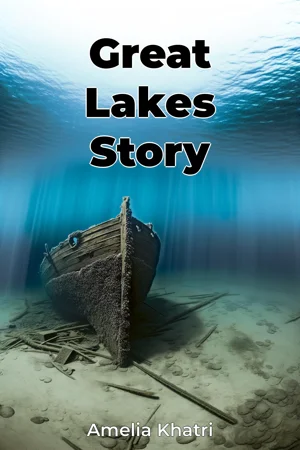
"Great Lakes Story" explores the rich, interconnected history of North America's Great Lakes, highlighting their geological origins, economic significance as vital trade routes, and the maritime history marked by dramatic shipwrecks like the Edmund Fitzgerald. The book illustrates how these vast freshwater seas are not only geological wonders and dynamic ecosystems but also crucial arteries of commerce, shaping the continent's development. One intriguing aspect is the lakes' formation during the last ice age, which profoundly influenced their unique hydrological characteristics. The book progresses through three sections, beginning with a geological and environmental overview, then moves into the lakes' role in shaping North American trade and development, from the early fur trade to modern shipping. Finally, it delves into compelling stories of shipwrecks, examining their historical context and the mysteries surrounding their sinking. By weaving together historical accounts, scientific data, and maritime lore, "Great Lakes Story" provides an engaging and accessible narrative for anyone interested in the history and environmental challenges of this vital region.
Book Details
ISBN
9788233987343
Publisher
Publifye AS
Your Licenses
You don't own any licenses for this book
Purchase a license below to unlock this book and download the EPUB.
Purchase License
Select a tier to unlock this book
Need bulk licensing?
Contact us for enterprise agreements.