
About This Book
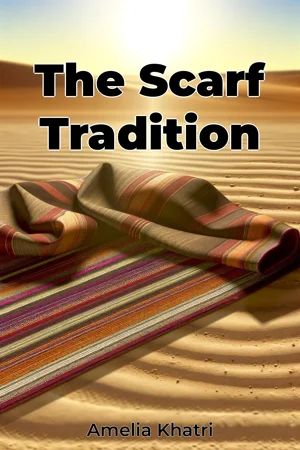
Did you know that a simple piece of cloth, often overlooked as a mere fashion accessory, has played a pivotal role in human history, shaping cultures, defining religious practices, and even determining survival? "The Scarf Tradition" unveils the multifaceted story of the scarf, exploring its evolution from ancient times to the present day. This book delves into the scarf's diverse applications across history, religion, and practical survival, revealing its surprising influence on human civilization. The book's core focus centers on three primary areas: the scarf's usage in fashion as a symbol of status and aesthetic expression, its integral role in various religious traditions denoting piety and adherence to cultural norms, and its critical function in survival, providing protection from harsh climates and acting as a versatile tool. These topics are crucial because they demonstrate the adaptability and enduring significance of the scarf in human society, challenging preconceived notions about its simplicity. Understanding the scarf’s transformations provides insight into the shifting priorities and cultural values of different societies throughout history. To fully grasp the scarf's journey, it’s essential to consider the historical context. The book traces the scarf's origins from ancient civilizations, where simple cloths served practical purposes, to its adoption by various cultures as symbols of wealth, power, and religious affiliation. No prior specialized knowledge is necessary; the book provides sufficient background information to appreciate the scarf's historical and cultural importance. The central argument of "The Scarf Tradition" is that the scarf, despite its seemingly humble nature, has consistently reflected and shaped social, religious, and environmental realities across different eras. The scarf's evolution serves as a microcosm of cultural change, demonstrating how a single item can adapt to meet diverse human needs and express complex social meanings. Examining the scarf offers a tangible lens through which to understand broader historical patterns. The book begins by introducing the scarf's earliest forms and functions, tracing its appearance in ancient civilizations. It proceeds to explore the scarf's adoption and adaptation across various cultures and religions. Major chapters will focus on the scarf in ancient Egypt as a symbol of status, its religious significance in various Eastern religions as a sign of respect and devotion, and its practical use by nomadic peoples for protection against the elements. The book culminates by examining the scarf's contemporary role in fashion and its continued relevance in specific cultural and religious contexts, offering insights into the scarf's enduring appeal and adaptability. Evidence presented within "The Scarf Tradition" draws from a wide range of sources, including archaeological finds, historical texts, religious scriptures, and fashion archives. The book also incorporates ethnographic studies and visual analyses of artworks and photographs depicting scarves across various cultures. This multidisciplinary approach ensures a comprehensive and nuanced understanding of the scarf's multifaceted history. The book connects to a variety of academic fields, including anthropology through its study of cultural practices, art history via its analysis of visual representations, and climate studies concerning the scarf's role in survival across different environments. These interdisciplinary connections enrich the analysis, revealing the scarf's cultural, artistic, and material relevance. "The Scarf Tradition" provides a fresh perspective by examining the history of human civilization through the lens of a single object. This object-centered approach allows for a focused yet comprehensive exploration of cultural values, religious beliefs, and practical adaptations. The book adopts an accessible, informative writing style, aiming to engage both academic and general audiences. While grounded in rigorous research, the narrative remains approachable and captivating, making the scarf's history accessible to a wide readership. The target audience includes history enthusiasts, fashion aficionados, students of religious studies, and anyone interested in the intersection of culture, history, and material objects. The book offers valuable insights into the evolving role of the scarf in society, making it a worthwhile read for those seeking to understand the cultural significance of everyday objects. As a work of non-fiction, "The Scarf Tradition" adheres to principles of factual accuracy, comprehensive research, and objective analysis. It presents a balanced and well-supported account of the scarf's history, avoiding speculation or unsubstantiated claims. The book's scope encompasses a broad historical and geographical range, tracing the scarf's presence across civilizations and continents. However, it acknowledges limitations in fully documenting every instance of scarf usage, focusing instead on key examples that illustrate significant trends and developments. Readers can apply the book's insights to understand the cultural significance of clothing and accessories in their own lives and in the broader world. By recognizing the scarf's historical and cultural context, readers can gain a deeper appreciation for the objects that shape our everyday experiences. While the scarf's religious significance is widely acknowledged, debates exist regarding the interpretation of specific religious rules and customs surrounding its use. "The Scarf Tradition" addresses these debates through an examination of diverse viewpoints.
Did you know that a simple piece of cloth, often overlooked as a mere fashion accessory, has played a pivotal role in human history, shaping cultures, defining religious practices, and even determining survival? "The Scarf Tradition" unveils the multifaceted story of the scarf, exploring its evolution from ancient times to the present day. This book delves into the scarf's diverse applications across history, religion, and practical survival, revealing its surprising influence on human civilization. The book's core focus centers on three primary areas: the scarf's usage in fashion as a symbol of status and aesthetic expression, its integral role in various religious traditions denoting piety and adherence to cultural norms, and its critical function in survival, providing protection from harsh climates and acting as a versatile tool. These topics are crucial because they demonstrate the adaptability and enduring significance of the scarf in human society, challenging preconceived notions about its simplicity. Understanding the scarf’s transformations provides insight into the shifting priorities and cultural values of different societies throughout history. To fully grasp the scarf's journey, it’s essential to consider the historical context. The book traces the scarf's origins from ancient civilizations, where simple cloths served practical purposes, to its adoption by various cultures as symbols of wealth, power, and religious affiliation. No prior specialized knowledge is necessary; the book provides sufficient background information to appreciate the scarf's historical and cultural importance. The central argument of "The Scarf Tradition" is that the scarf, despite its seemingly humble nature, has consistently reflected and shaped social, religious, and environmental realities across different eras. The scarf's evolution serves as a microcosm of cultural change, demonstrating how a single item can adapt to meet diverse human needs and express complex social meanings. Examining the scarf offers a tangible lens through which to understand broader historical patterns. The book begins by introducing the scarf's earliest forms and functions, tracing its appearance in ancient civilizations. It proceeds to explore the scarf's adoption and adaptation across various cultures and religions. Major chapters will focus on the scarf in ancient Egypt as a symbol of status, its religious significance in various Eastern religions as a sign of respect and devotion, and its practical use by nomadic peoples for protection against the elements. The book culminates by examining the scarf's contemporary role in fashion and its continued relevance in specific cultural and religious contexts, offering insights into the scarf's enduring appeal and adaptability. Evidence presented within "The Scarf Tradition" draws from a wide range of sources, including archaeological finds, historical texts, religious scriptures, and fashion archives. The book also incorporates ethnographic studies and visual analyses of artworks and photographs depicting scarves across various cultures. This multidisciplinary approach ensures a comprehensive and nuanced understanding of the scarf's multifaceted history. The book connects to a variety of academic fields, including anthropology through its study of cultural practices, art history via its analysis of visual representations, and climate studies concerning the scarf's role in survival across different environments. These interdisciplinary connections enrich the analysis, revealing the scarf's cultural, artistic, and material relevance. "The Scarf Tradition" provides a fresh perspective by examining the history of human civilization through the lens of a single object. This object-centered approach allows for a focused yet comprehensive exploration of cultural values, religious beliefs, and practical adaptations. The book adopts an accessible, informative writing style, aiming to engage both academic and general audiences. While grounded in rigorous research, the narrative remains approachable and captivating, making the scarf's history accessible to a wide readership. The target audience includes history enthusiasts, fashion aficionados, students of religious studies, and anyone interested in the intersection of culture, history, and material objects. The book offers valuable insights into the evolving role of the scarf in society, making it a worthwhile read for those seeking to understand the cultural significance of everyday objects. As a work of non-fiction, "The Scarf Tradition" adheres to principles of factual accuracy, comprehensive research, and objective analysis. It presents a balanced and well-supported account of the scarf's history, avoiding speculation or unsubstantiated claims. The book's scope encompasses a broad historical and geographical range, tracing the scarf's presence across civilizations and continents. However, it acknowledges limitations in fully documenting every instance of scarf usage, focusing instead on key examples that illustrate significant trends and developments. Readers can apply the book's insights to understand the cultural significance of clothing and accessories in their own lives and in the broader world. By recognizing the scarf's historical and cultural context, readers can gain a deeper appreciation for the objects that shape our everyday experiences. While the scarf's religious significance is widely acknowledged, debates exist regarding the interpretation of specific religious rules and customs surrounding its use. "The Scarf Tradition" addresses these debates through an examination of diverse viewpoints.
"The Scarf Tradition" explores the surprisingly rich history of scarves, revealing how this seemingly simple accessory has played diverse roles across cultures and religions. From ancient civilizations to modern fashion, the book unveils the scarf's evolution, highlighting its significance as a symbol of status, religious piety, and practical survival. Intriguingly, scarves were not merely decorative; they often denoted social standing and even offered protection from harsh climates. This book examines the scarf's journey through time, starting with its earliest uses in ancient societies and tracing its adaptation across various cultures. Major chapters delve into the scarf's use in ancient Egypt as a symbol of status, its religious significance in Eastern religions, and its practical applications among nomadic peoples. By examining archaeological finds, historical texts, and fashion archives, "The Scarf Tradition" provides a comprehensive understanding of the scarf's enduring appeal and its continued relevance in contemporary society.
Book Details
ISBN
9788233987312
Publisher
Publifye AS
Your Licenses
You don't own any licenses for this book
Purchase a license below to unlock this book and download the EPUB.
Purchase License
Select a tier to unlock this book
Need bulk licensing?
Contact us for enterprise agreements.