
About This Book
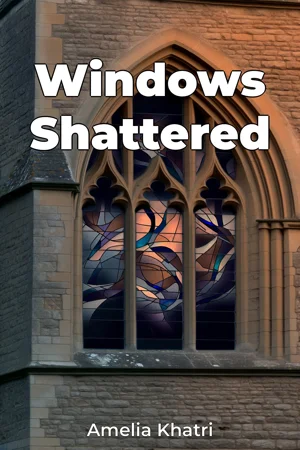
What if we could trace the trajectory of revolutions and social upheavals simply by examining the shattered remains of glass windows? *Windows Shattered* posits that broken windows are not merely symbols of disorder and vandalism but rather powerful visual indicators of pivotal moments in political and social history. This book delves into the potent symbolism of destroyed windows, analyzing their presence in key historical events, social movements, and moments of radical change. We begin by examining the history of glass itself, from its fragile beginnings as a luxury item to its ubiquity in modern architecture, illustrating how its very presence reflects societal structures and economic inequalities. This historical context is crucial for understanding why the act of breaking a window carries significant weight. The book then explores two central themes. First, it analyzes how shattered windows have served as a visual representation of revolutionary fervor and social unrest. From the storming of the Bastille, where shattered windows symbolized the overthrow of the old regime, to the Kristallnacht pogrom, where broken glass represented the systematic persecution of a people, we examine case studies where acts of destruction have been catalysts for significant historical shifts. Second, we investigate how the act of shattering a window has become a visual language of protest and resistance. Consider the suffragettes' smashing of shop windows to demand the right to vote, or the urban riots of the 1960s, where broken windows spoke to deep-seated frustrations with racial injustice and economic inequality. Our central argument is that the act of shattering windows, whether spontaneous or organized, serves as a powerful form of communication, conveying anger, defiance, and a demand for systemic change. Through these acts of destruction, marginalized groups and revolutionaries disrupt the status quo and force those in power to confront uncomfortable truths. *Windows Shattered* is structured chronologically and thematically. We begin by establishing a historical context, then proceed to analyze specific events where shattered windows played a pivotal role. Major sections will include: "The Architecture of Power: Glass as a Reflection of Society," focusing on the socio-economic implications of glass in building design; "Revolutions and Resistance: The Political Language of Shattered Windows," which examines case studies of social and political upheaval; and "The Aftermath: Rebuilding and Reimagining," which looks at the consequences and long-term impact of these symbolic acts of destruction. The book draws upon a variety of sources, including historical archives, news reports, personal accounts, and photographic evidence. We also incorporate sociological and criminological research on the psychology of protest and collective behavior. A unique aspect of our research is our focus on visual culture, analyzing photographs and films of these events to decipher the messages conveyed through the imagery of shattered glass. Interdisciplinary connections are vital to our analysis. We draw upon political science to understand the dynamics of power and resistance, sociology to explore the roots of social unrest, and art history to analyze the visual symbolism of destruction. These connections provide a richer and more nuanced understanding of the central themes. Our approach stands out by connecting the seemingly disparate events through the common thread of the shattered window. By shifting the focus from the act of vandalism to its symbolic meaning, we offer a fresh perspective on the dynamics of social change. The tone is scholarly yet accessible, designed to engage both academic readers and general audiences interested in history, politics, and social movements. The writing style is clear and concise, avoiding jargon and presenting complex ideas in an understandable manner. The target audience includes students and scholars of history, political science, and sociology, as well as anyone interested in social justice and the dynamics of power. The book's examination of visual culture and symbolic acts of resistance will also appeal to those interested in art and media studies. As a work of political and historical analysis, *Windows Shattered* adheres to the genre's standards of rigorous research, clear argumentation, and objective presentation of evidence. The book's scope is broad, encompassing a wide range of historical events and social movements, but it is also limited to those instances where shattered windows played a significant symbolic role. The lessons gleaned from *Windows Shattered* are not merely academic. Understanding how acts of symbolic destruction can reflect broader social and political tensions can help us better interpret contemporary events and engage in constructive dialogue about social change. While the book explores the symbolism of shattered windows in relation to social change, it will also address the debate surrounding the effectiveness and ethics of violent protest. By acknowledging these controversies, we aim to provide a balanced and nuanced account of the complex relationship between destruction, resistance, and social progress.
What if we could trace the trajectory of revolutions and social upheavals simply by examining the shattered remains of glass windows? *Windows Shattered* posits that broken windows are not merely symbols of disorder and vandalism but rather powerful visual indicators of pivotal moments in political and social history. This book delves into the potent symbolism of destroyed windows, analyzing their presence in key historical events, social movements, and moments of radical change. We begin by examining the history of glass itself, from its fragile beginnings as a luxury item to its ubiquity in modern architecture, illustrating how its very presence reflects societal structures and economic inequalities. This historical context is crucial for understanding why the act of breaking a window carries significant weight. The book then explores two central themes. First, it analyzes how shattered windows have served as a visual representation of revolutionary fervor and social unrest. From the storming of the Bastille, where shattered windows symbolized the overthrow of the old regime, to the Kristallnacht pogrom, where broken glass represented the systematic persecution of a people, we examine case studies where acts of destruction have been catalysts for significant historical shifts. Second, we investigate how the act of shattering a window has become a visual language of protest and resistance. Consider the suffragettes' smashing of shop windows to demand the right to vote, or the urban riots of the 1960s, where broken windows spoke to deep-seated frustrations with racial injustice and economic inequality. Our central argument is that the act of shattering windows, whether spontaneous or organized, serves as a powerful form of communication, conveying anger, defiance, and a demand for systemic change. Through these acts of destruction, marginalized groups and revolutionaries disrupt the status quo and force those in power to confront uncomfortable truths. *Windows Shattered* is structured chronologically and thematically. We begin by establishing a historical context, then proceed to analyze specific events where shattered windows played a pivotal role. Major sections will include: "The Architecture of Power: Glass as a Reflection of Society," focusing on the socio-economic implications of glass in building design; "Revolutions and Resistance: The Political Language of Shattered Windows," which examines case studies of social and political upheaval; and "The Aftermath: Rebuilding and Reimagining," which looks at the consequences and long-term impact of these symbolic acts of destruction. The book draws upon a variety of sources, including historical archives, news reports, personal accounts, and photographic evidence. We also incorporate sociological and criminological research on the psychology of protest and collective behavior. A unique aspect of our research is our focus on visual culture, analyzing photographs and films of these events to decipher the messages conveyed through the imagery of shattered glass. Interdisciplinary connections are vital to our analysis. We draw upon political science to understand the dynamics of power and resistance, sociology to explore the roots of social unrest, and art history to analyze the visual symbolism of destruction. These connections provide a richer and more nuanced understanding of the central themes. Our approach stands out by connecting the seemingly disparate events through the common thread of the shattered window. By shifting the focus from the act of vandalism to its symbolic meaning, we offer a fresh perspective on the dynamics of social change. The tone is scholarly yet accessible, designed to engage both academic readers and general audiences interested in history, politics, and social movements. The writing style is clear and concise, avoiding jargon and presenting complex ideas in an understandable manner. The target audience includes students and scholars of history, political science, and sociology, as well as anyone interested in social justice and the dynamics of power. The book's examination of visual culture and symbolic acts of resistance will also appeal to those interested in art and media studies. As a work of political and historical analysis, *Windows Shattered* adheres to the genre's standards of rigorous research, clear argumentation, and objective presentation of evidence. The book's scope is broad, encompassing a wide range of historical events and social movements, but it is also limited to those instances where shattered windows played a significant symbolic role. The lessons gleaned from *Windows Shattered* are not merely academic. Understanding how acts of symbolic destruction can reflect broader social and political tensions can help us better interpret contemporary events and engage in constructive dialogue about social change. While the book explores the symbolism of shattered windows in relation to social change, it will also address the debate surrounding the effectiveness and ethics of violent protest. By acknowledging these controversies, we aim to provide a balanced and nuanced account of the complex relationship between destruction, resistance, and social progress.
"Windows Shattered" explores the surprising role of broken windows as potent symbols in political history and social upheaval. It argues that these acts of destruction aren't mere vandalism but visual representations of pivotal moments. The book traces the history of glass from a luxury item to a common building material to demonstrate how its presence reflects societal structures and economic inequalities. The book analyzes how shattered windows have visually represented revolutionary fervor, such as during the storming of the Bastille, and how they've become a visual language of protest and resistance, like the suffragettes' actions. It examines specific events chronologically and thematically, drawing from historical archives, news reports, personal accounts, and visual culture, offering a fresh perspective on social change by focusing on the symbolic meaning behind broken windows. "Windows Shattered" progresses from establishing historical context to analyzing significant events where shattered windows played a crucial role, and finally, to examining the aftermath and long-term impact of these symbolic acts. It also addresses the debate surrounding the ethics of violent protest, providing a balanced account of the complex relationship between destruction, resistance, and social progress.
Book Details
ISBN
9788233987282
Publisher
Publifye AS
Your Licenses
You don't own any licenses for this book
Purchase a license below to unlock this book and download the EPUB.
Purchase License
Select a tier to unlock this book
Need bulk licensing?
Contact us for enterprise agreements.