
About This Book
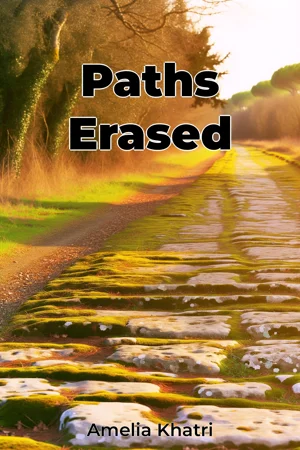
What can the silent remnants of forgotten pathways tell us about the rise and fall of civilizations? *Paths Erased* delves into the captivating world of ancient roads, trails swallowed by time, and forgotten routes that once pulsed with the lifeblood of commerce, migration, and conquest. This book explores not just the physical remnants of these lost pathways, but also the historical, social, and environmental forces that led to their creation, use, and ultimate abandonment. Understanding these pathways provides critical insight into the patterns of human behavior, technological advancement, and the intricate relationship between societies and their environments. We examine three primary topics: the construction and utilization of ancient road systems, the impact of environmental changes and societal shifts on these routes, and the methods used to rediscover and interpret these lost paths today. The significance of these topics lies in their ability to provide tangible connections to the past, revealing how infrastructure shaped societies and how societies, in turn, shaped the landscape. *Paths Erased* argues that studying these forgotten routes offers a unique lens through which to understand the dynamics of past civilizations and provides valuable lessons for present-day challenges in infrastructure planning, environmental sustainability, and cultural preservation. We showcase the impressive engineering feats of the Roman road system, the strategic importance of the Silk Road, and the impact of the Oregon Trail on westward expansion in America. These case studies illustrate how roads facilitated trade, military campaigns, and the dissemination of ideas, but also consider the environmental consequences and the displacement of indigenous populations. The book unfolds in three distinct parts. Part I introduces the concept of "erased paths," establishing a framework for understanding their historical and archaeological significance. This section explores the history of path construction, including the materials used, the labor involved, and the planning processes that went into creating these vital arteries of civilization. Part II examines the factors that contributed to the disappearance of these routes, focusing on environmental degradation, climate change, political instability, and technological advancements. The abandonment of Mayan causeways due to deforestation and soil erosion and the decline of the Inca road system following the Spanish conquest are prime examples. Part III details the methodologies used by archaeologists, historians, and geographers to rediscover and analyze these lost paths. Techniques such as satellite imagery analysis, ground-penetrating radar, and traditional archaeological excavation are discussed, alongside the ethical considerations involved in preserving these fragile remnants of the past. The book’s conclusions highlight the importance of preserving these pathways as valuable cultural heritage sites and draw parallels between the challenges faced by ancient societies in maintaining their infrastructure and the challenges we face today in building sustainable transportation systems. *Paths Erased* draws upon a diverse range of sources, including archaeological reports, historical texts, geographic surveys, remote sensing data, oral histories, and environmental impact studies. It also incorporates the latest research in fields such as landscape archaeology, geospatial analysis, and environmental history. The book’s interdisciplinary approach connects history with environmental science, geography, and archaeology, offering a holistic understanding of the complex interactions between humans and their environment. Written in a professional yet accessible style, *Paths Erased* aims to appeal to a broad audience, including history enthusiasts, archaeology buffs, environmentalists, travelers, and anyone curious about the hidden stories embedded in the landscape. It is particularly relevant for those interested in infrastructure development, urban planning, and cultural heritage management. While *Paths Erased* aims to provide a broad overview of lost pathways across different cultures and time periods, it focuses primarily on well-documented examples in Europe, Asia, and the Americas, acknowledging that many other regions and routes remain under-explored. The book addresses the ongoing debate surrounding the ethics of archaeological research and the balance between preservation and development, encouraging readers to consider the long-term consequences of our actions on the environment and cultural heritage. Ultimately, *Paths Erased* invites readers to embark on a journey of discovery, revealing the hidden history beneath our feet and offering valuable insights into the enduring relationship between humanity and the pathways we create.
What can the silent remnants of forgotten pathways tell us about the rise and fall of civilizations? *Paths Erased* delves into the captivating world of ancient roads, trails swallowed by time, and forgotten routes that once pulsed with the lifeblood of commerce, migration, and conquest. This book explores not just the physical remnants of these lost pathways, but also the historical, social, and environmental forces that led to their creation, use, and ultimate abandonment. Understanding these pathways provides critical insight into the patterns of human behavior, technological advancement, and the intricate relationship between societies and their environments. We examine three primary topics: the construction and utilization of ancient road systems, the impact of environmental changes and societal shifts on these routes, and the methods used to rediscover and interpret these lost paths today. The significance of these topics lies in their ability to provide tangible connections to the past, revealing how infrastructure shaped societies and how societies, in turn, shaped the landscape. *Paths Erased* argues that studying these forgotten routes offers a unique lens through which to understand the dynamics of past civilizations and provides valuable lessons for present-day challenges in infrastructure planning, environmental sustainability, and cultural preservation. We showcase the impressive engineering feats of the Roman road system, the strategic importance of the Silk Road, and the impact of the Oregon Trail on westward expansion in America. These case studies illustrate how roads facilitated trade, military campaigns, and the dissemination of ideas, but also consider the environmental consequences and the displacement of indigenous populations. The book unfolds in three distinct parts. Part I introduces the concept of "erased paths," establishing a framework for understanding their historical and archaeological significance. This section explores the history of path construction, including the materials used, the labor involved, and the planning processes that went into creating these vital arteries of civilization. Part II examines the factors that contributed to the disappearance of these routes, focusing on environmental degradation, climate change, political instability, and technological advancements. The abandonment of Mayan causeways due to deforestation and soil erosion and the decline of the Inca road system following the Spanish conquest are prime examples. Part III details the methodologies used by archaeologists, historians, and geographers to rediscover and analyze these lost paths. Techniques such as satellite imagery analysis, ground-penetrating radar, and traditional archaeological excavation are discussed, alongside the ethical considerations involved in preserving these fragile remnants of the past. The book’s conclusions highlight the importance of preserving these pathways as valuable cultural heritage sites and draw parallels between the challenges faced by ancient societies in maintaining their infrastructure and the challenges we face today in building sustainable transportation systems. *Paths Erased* draws upon a diverse range of sources, including archaeological reports, historical texts, geographic surveys, remote sensing data, oral histories, and environmental impact studies. It also incorporates the latest research in fields such as landscape archaeology, geospatial analysis, and environmental history. The book’s interdisciplinary approach connects history with environmental science, geography, and archaeology, offering a holistic understanding of the complex interactions between humans and their environment. Written in a professional yet accessible style, *Paths Erased* aims to appeal to a broad audience, including history enthusiasts, archaeology buffs, environmentalists, travelers, and anyone curious about the hidden stories embedded in the landscape. It is particularly relevant for those interested in infrastructure development, urban planning, and cultural heritage management. While *Paths Erased* aims to provide a broad overview of lost pathways across different cultures and time periods, it focuses primarily on well-documented examples in Europe, Asia, and the Americas, acknowledging that many other regions and routes remain under-explored. The book addresses the ongoing debate surrounding the ethics of archaeological research and the balance between preservation and development, encouraging readers to consider the long-term consequences of our actions on the environment and cultural heritage. Ultimately, *Paths Erased* invites readers to embark on a journey of discovery, revealing the hidden history beneath our feet and offering valuable insights into the enduring relationship between humanity and the pathways we create.
*Paths Erased* explores the fascinating world of ancient roads and lost pathways, revealing how these forgotten routes shaped civilizations. The book highlights the intricate relationships between societies and their environments by examining the construction, utilization, and eventual abandonment of these vital arteries. Discover how the Roman road system facilitated trade and military campaigns, while also acknowledging the environmental impact and displacement of indigenous populations caused by routes like the Oregon Trail. The book unfolds in three parts, beginning with an introduction to the historical and archaeological significance of "erased paths." It then examines the environmental changes, political instability, and technological advancements that led to their disappearance, such as the Mayan causeways' abandonment due to deforestation. Finally, the book details the methods used by archaeologists and historians to rediscover these pathways, including satellite imagery analysis and archaeological excavation. By studying these forgotten routes, we gain a unique lens through which to understand the dynamics of past civilizations and draw lessons for present-day challenges in infrastructure and cultural preservation.
Book Details
ISBN
9788233987268
Publisher
Publifye AS
Your Licenses
You don't own any licenses for this book
Purchase a license below to unlock this book and download the EPUB.
Purchase License
Select a tier to unlock this book
Need bulk licensing?
Contact us for enterprise agreements.