
About This Book
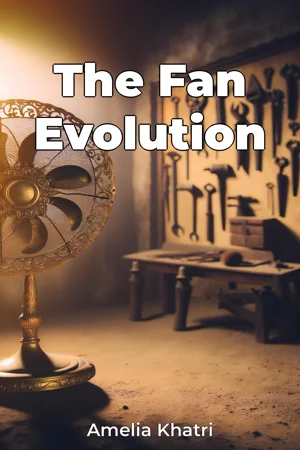
Have you ever considered the long and intricate journey of the humble fan, from a symbol of status and luxury to an indispensable part of modern life? "The Fan Evolution" meticulously traces the technological and social history of air movement, offering a comprehensive look at how humans have strived to control their environment. This book explores not just the mechanics of fans, but their cultural impact and the scientific principles that underpin their function, appealing to readers interested in both the history of technology and the mechanics of climate control. This study focuses on three pivotal areas: the origins and cultural significance of hand-held fans, the mechanical innovations leading to electric fans, and the sophisticated integration of fans into modern air conditioning and climate control systems. These topics are vital because they demonstrate the continuous human quest for comfort and efficiency, and the ongoing interplay between technology, culture, and environment. Historically, fans evolved across various societies as symbols of power, religious artifacts, and fashion accessories. Understanding this context provides insights into early social hierarchies and the development of craftsmanship. The transition to mechanized fans in the 19th and 20th centuries coincides with the rise of electricity, industrial manufacturing, and new engineering, requiring an understanding of basic physics and electrical engineering concepts. Finally, the integration of fans within complex climate control systems necessitates a comprehension of thermodynamics, fluid dynamics, and control systems. The central argument of "The Fan Evolution" is that the development of the fan mirrors broader technological and social advancements, reflecting our evolving understanding of comfort, efficiency, and environmental control. This argument is important because it provides a microcosm through which to view the larger narrative of human innovation and adaptation. The book begins by introducing the earliest forms of fans, their cultural contexts, and the basic physics of air movement. It then develops into a chronological exploration, first detailing the transition from manual to mechanical operation, focusing on the inventors, designs, and societal impacts of early electric fans. The bulk of the book is dedicated to the integration of fans into comprehensive climate control systems, exploring advancements in air conditioning, ventilation, and energy efficiency. The book concludes by examining current trends in fan technology, such as smart fans and energy-efficient designs, discussing their implications for future sustainability efforts. The analysis presented will be supported by a range of historical documents, including patents, trade catalogs, engineering diagrams, and period advertisements. Modern scientific research articles and case studies will additionally be used to explain the technical aspects of fan design and performance. "The Fan Evolution" intersects with several disciplines. Firstly, history, as it examines the social and cultural roles of fans across centuries and continents. Secondly, mechanical engineering, as it dissects the innovative designs and scientific principles behind various fan technologies. Thirdly, environmental studies as it considers fans within the broader context of climate control and energy consumption. This work adopts a technical yet accessible tone, bridging historical narrative with engineering explanations. It avoids excessive jargon, ensuring the content is understandable to a broad audience. It differs from existing works by combining a social history of fans with detailed technical analyses, presenting a holistic understanding of this often-overlooked technology. The target audience includes students of engineering and history, technology enthusiasts, and anyone curious about the evolution of everyday objects. It offers valuable insights into the ingenuity and cultural significance embedded in seemingly simple technologies. As a work of non-fiction, "The Fan Evolution" adheres to principles of accuracy, objectivity, and evidence-based argumentation. All claims are carefully researched and thoroughly documented. The book focuses primarily on commercially developed and mass-produced fans, which intentionally limits the scope of coverage to exclude highly niche or experimental designs. Readers can apply knowledge from this book to better understand the energy consumption of their own climate control systems, to appreciate the technologies they use daily, and to consider the environmental impact of different cooling solutions. While the fundamental principles of air movement are well-established, debates persist regarding the most energy-efficient designs and the optimal integration of fans within complex climate control systems. "The Fan Evolution" will touch upon these debates, providing a balanced outlook on various perspectives.
Have you ever considered the long and intricate journey of the humble fan, from a symbol of status and luxury to an indispensable part of modern life? "The Fan Evolution" meticulously traces the technological and social history of air movement, offering a comprehensive look at how humans have strived to control their environment. This book explores not just the mechanics of fans, but their cultural impact and the scientific principles that underpin their function, appealing to readers interested in both the history of technology and the mechanics of climate control. This study focuses on three pivotal areas: the origins and cultural significance of hand-held fans, the mechanical innovations leading to electric fans, and the sophisticated integration of fans into modern air conditioning and climate control systems. These topics are vital because they demonstrate the continuous human quest for comfort and efficiency, and the ongoing interplay between technology, culture, and environment. Historically, fans evolved across various societies as symbols of power, religious artifacts, and fashion accessories. Understanding this context provides insights into early social hierarchies and the development of craftsmanship. The transition to mechanized fans in the 19th and 20th centuries coincides with the rise of electricity, industrial manufacturing, and new engineering, requiring an understanding of basic physics and electrical engineering concepts. Finally, the integration of fans within complex climate control systems necessitates a comprehension of thermodynamics, fluid dynamics, and control systems. The central argument of "The Fan Evolution" is that the development of the fan mirrors broader technological and social advancements, reflecting our evolving understanding of comfort, efficiency, and environmental control. This argument is important because it provides a microcosm through which to view the larger narrative of human innovation and adaptation. The book begins by introducing the earliest forms of fans, their cultural contexts, and the basic physics of air movement. It then develops into a chronological exploration, first detailing the transition from manual to mechanical operation, focusing on the inventors, designs, and societal impacts of early electric fans. The bulk of the book is dedicated to the integration of fans into comprehensive climate control systems, exploring advancements in air conditioning, ventilation, and energy efficiency. The book concludes by examining current trends in fan technology, such as smart fans and energy-efficient designs, discussing their implications for future sustainability efforts. The analysis presented will be supported by a range of historical documents, including patents, trade catalogs, engineering diagrams, and period advertisements. Modern scientific research articles and case studies will additionally be used to explain the technical aspects of fan design and performance. "The Fan Evolution" intersects with several disciplines. Firstly, history, as it examines the social and cultural roles of fans across centuries and continents. Secondly, mechanical engineering, as it dissects the innovative designs and scientific principles behind various fan technologies. Thirdly, environmental studies as it considers fans within the broader context of climate control and energy consumption. This work adopts a technical yet accessible tone, bridging historical narrative with engineering explanations. It avoids excessive jargon, ensuring the content is understandable to a broad audience. It differs from existing works by combining a social history of fans with detailed technical analyses, presenting a holistic understanding of this often-overlooked technology. The target audience includes students of engineering and history, technology enthusiasts, and anyone curious about the evolution of everyday objects. It offers valuable insights into the ingenuity and cultural significance embedded in seemingly simple technologies. As a work of non-fiction, "The Fan Evolution" adheres to principles of accuracy, objectivity, and evidence-based argumentation. All claims are carefully researched and thoroughly documented. The book focuses primarily on commercially developed and mass-produced fans, which intentionally limits the scope of coverage to exclude highly niche or experimental designs. Readers can apply knowledge from this book to better understand the energy consumption of their own climate control systems, to appreciate the technologies they use daily, and to consider the environmental impact of different cooling solutions. While the fundamental principles of air movement are well-established, debates persist regarding the most energy-efficient designs and the optimal integration of fans within complex climate control systems. "The Fan Evolution" will touch upon these debates, providing a balanced outlook on various perspectives.
"The Fan Evolution" explores the surprisingly rich history of fans, tracing their development from ancient status symbols to essential components of modern climate control. The book examines how fans embody humanity's ongoing quest for comfort and efficiency, revealing the intricate interplay between technology, culture, and our environment. Interestingly, early fans held significant cultural roles, serving as religious artifacts and fashion accessories, reflecting social hierarchies. The narrative progresses chronologically, beginning with hand-held fans and their cultural context, then transitioning to the mechanical innovations behind electric fans, and culminating in their integration into complex climate control systems. Readers will discover how advancements in thermodynamics, fluid dynamics, and engineering have shaped fan technology, influencing everything from ventilation to energy efficiency. Engineering diagrams and historical documents support the analysis. This book uniquely combines social history with detailed technical analyses, making it valuable for students of engineering, history, and anyone curious about the evolution of everyday technologies. By understanding the principles behind air movement and energy consumption, readers can gain a deeper appreciation for the technologies they use daily and their environmental impact.
Book Details
ISBN
9788233987244
Publisher
Publifye AS
Your Licenses
You don't own any licenses for this book
Purchase a license below to unlock this book and download the EPUB.
Purchase License
Select a tier to unlock this book
Need bulk licensing?
Contact us for enterprise agreements.