
About This Book
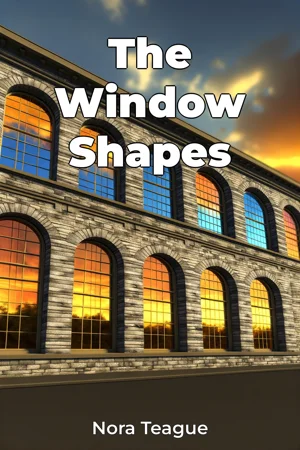
Have you ever considered how the simple window, an opening in a wall, shapes not only the light within a building, but also the very air we breathe and the style we perceive? "The Window Shapes" delves into the multifaceted role of window design in architecture, exploring its impact on interior environments, building ventilation, and the expression of diverse architectural styles. These elements are critical because they directly influence human comfort, energy efficiency, and the aesthetic essence of our built environment. This book will investigate the historical context of window design from ancient apertures to modern glazing systems. Understanding these developments provides insight into the evolving priorities of builders, architects, and societies, dictated by emerging technologies, available materials, and prevailing cultural norms. Knowledge of basic architectural principles will enhance the reader's understanding, but the book is crafted to be accessible to a broad audience. The central argument of "The Window Shapes" asserts that window design represents a crucial intersection of form and function, profoundly influencing the habitability, energy performance, and stylistic identity of buildings. Its importance lies in understanding how carefully considered window choices can optimize natural light, promote healthy ventilation, and create aesthetically pleasing spaces while minimizing energy consumption. The book is structured to guide readers through the complexities of window design. It begins with an introduction to fundamental concepts of light, ventilation, and architectural styles. The book then develops these ideas across three key sections: first, "Light and the Window," which examines the physics of light, how window shape, size, and orientation affect daylighting, and the impact on human wellbeing; second, "Ventilation and the Window," which explores the principles of natural ventilation, the role of windows in creating airflow, and the effect of window placement on indoor air quality; and third, "Style and the Window," which studies how different architectural movements, from Gothic to Modernism, have utilized windows to express their unique aesthetics and values. The book culminates with a discussion of contemporary trends in sustainable window design and their implications for future building practices. The arguments presented are supported by a range of evidence, including historical analyses of architectural drawings and buildings, case studies of innovative window designs, data from building performance simulations, and research on the psychological effects of light and views. Technical specifications and design guidelines are included to provide concrete examples. "The Window Shapes" also connects to other fields such as environmental science, public health, and art history. The study of sustainable window design relates directly to environmental science, while the exploration of indoor air quality and natural light ties into public health. The analysis of architectural styles and their expression through windows intersects with art history. A defining feature of this book is its integrated approach, which combines technical knowledge with historical and aesthetic considerations. It examines not only the practical functions of windows, but also their cultural meanings and artistic expression. Written in a professional yet accessible style, "The Window Shapes" is targeted at architects, designers, builders, and anyone interested in architecture and design. The book will also appeal to students looking for a comprehensive overview of the topic. As a work of non-fiction, the book adheres to the conventions of factual accuracy, clear sourcing, and logical argumentation. While the book aims to provide global insights, it focuses primarily on Western architectural traditions due to limitations of scope and resources. The knowledge gained from "The Window Shapes" can be applied in professional practice, home renovations, or academic research. It offers a new perspective on an often-overlooked element of architecture. While there is a general consensus on the importance of natural light and ventilation, ongoing debates exist within sustainable design regarding the optimal balance between energy efficiency and aesthetic appeal. This book aims to contribute constructively to these discussions by presenting information in a clear and concise manner.
Have you ever considered how the simple window, an opening in a wall, shapes not only the light within a building, but also the very air we breathe and the style we perceive? "The Window Shapes" delves into the multifaceted role of window design in architecture, exploring its impact on interior environments, building ventilation, and the expression of diverse architectural styles. These elements are critical because they directly influence human comfort, energy efficiency, and the aesthetic essence of our built environment. This book will investigate the historical context of window design from ancient apertures to modern glazing systems. Understanding these developments provides insight into the evolving priorities of builders, architects, and societies, dictated by emerging technologies, available materials, and prevailing cultural norms. Knowledge of basic architectural principles will enhance the reader's understanding, but the book is crafted to be accessible to a broad audience. The central argument of "The Window Shapes" asserts that window design represents a crucial intersection of form and function, profoundly influencing the habitability, energy performance, and stylistic identity of buildings. Its importance lies in understanding how carefully considered window choices can optimize natural light, promote healthy ventilation, and create aesthetically pleasing spaces while minimizing energy consumption. The book is structured to guide readers through the complexities of window design. It begins with an introduction to fundamental concepts of light, ventilation, and architectural styles. The book then develops these ideas across three key sections: first, "Light and the Window," which examines the physics of light, how window shape, size, and orientation affect daylighting, and the impact on human wellbeing; second, "Ventilation and the Window," which explores the principles of natural ventilation, the role of windows in creating airflow, and the effect of window placement on indoor air quality; and third, "Style and the Window," which studies how different architectural movements, from Gothic to Modernism, have utilized windows to express their unique aesthetics and values. The book culminates with a discussion of contemporary trends in sustainable window design and their implications for future building practices. The arguments presented are supported by a range of evidence, including historical analyses of architectural drawings and buildings, case studies of innovative window designs, data from building performance simulations, and research on the psychological effects of light and views. Technical specifications and design guidelines are included to provide concrete examples. "The Window Shapes" also connects to other fields such as environmental science, public health, and art history. The study of sustainable window design relates directly to environmental science, while the exploration of indoor air quality and natural light ties into public health. The analysis of architectural styles and their expression through windows intersects with art history. A defining feature of this book is its integrated approach, which combines technical knowledge with historical and aesthetic considerations. It examines not only the practical functions of windows, but also their cultural meanings and artistic expression. Written in a professional yet accessible style, "The Window Shapes" is targeted at architects, designers, builders, and anyone interested in architecture and design. The book will also appeal to students looking for a comprehensive overview of the topic. As a work of non-fiction, the book adheres to the conventions of factual accuracy, clear sourcing, and logical argumentation. While the book aims to provide global insights, it focuses primarily on Western architectural traditions due to limitations of scope and resources. The knowledge gained from "The Window Shapes" can be applied in professional practice, home renovations, or academic research. It offers a new perspective on an often-overlooked element of architecture. While there is a general consensus on the importance of natural light and ventilation, ongoing debates exist within sustainable design regarding the optimal balance between energy efficiency and aesthetic appeal. This book aims to contribute constructively to these discussions by presenting information in a clear and concise manner.
"The Window Shapes" explores the crucial role of window design in architecture, going beyond simple openings to examine their impact on light, ventilation, and style. Windows directly influence comfort, energy efficiency, and the aesthetic of buildings. For example, the book highlights how different architectural movements, like Modernism, utilized windows to express their unique values. The book presents a comprehensive overview, starting with fundamental concepts and progressing through key sections. It delves into the physics of light and how window shape affects daylighting, explores the principles of natural ventilation and indoor air quality, and studies how architectural movements have utilized windows to express their aesthetics. By combining technical knowledge with historical and aesthetic considerations, "The Window Shapes" offers a unique, integrated approach to understanding this vital architectural element.
Book Details
ISBN
9788233987220
Publisher
Publifye AS
Your Licenses
You don't own any licenses for this book
Purchase a license below to unlock this book and download the EPUB.
Purchase License
Select a tier to unlock this book
Need bulk licensing?
Contact us for enterprise agreements.