
About This Book
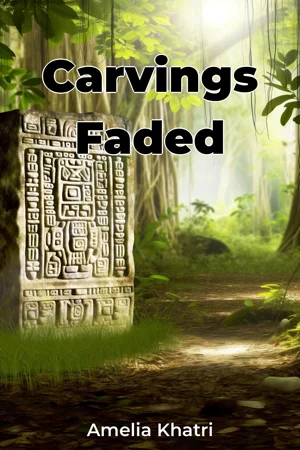
What stories lie dormant in the stones beneath our feet, waiting to be awakened by the patient hand of the historian and the inquisitive eye of the archaeologist? "Carvings Faded" embarks on a journey to decipher the silent language of ancient carvings and lost inscriptions, revealing insights into the lives, beliefs, and monumental achievements of past civilizations. The central premise of this book is that these often-overlooked architectural details serve as primary source documents, offering unique perspectives that complement and sometimes challenge traditional historical narratives. This book focuses on two critical areas: the techniques used to uncover and preserve these delicate remnants, and the methodologies employed to interpret their meaning within their original cultural contexts. These topics are vital because they allow us to move beyond speculation and towards a more informed understanding of the past, contributing to a more complete and nuanced view of human history. The historical context for this study spans several millennia and diverse geographical locations, focusing primarily on examples from Mesopotamia, Egypt, and pre-Columbian America. While not exhaustive, this specific selection provides a broad range of architectural styles, inscription types, and cultural practices, allowing for comparative analyses and the identification of common threads in human behavior. No prior detailed knowledge is required; the book is structured to guide readers through the fundamentals of archaeological interpretation and historical analysis. The main argument presented throughout "Carvings Faded" is that these often-fragile and fading messages, when understood, can unlock crucial understanding of powerful individuals, changes in governance, and how various segments of these ancient populations lived and died. Understanding these inscriptions provides a valuable counterpoint to generalized historical accounts, offering a powerful insight into the lives of people who did not leave other forms of written records. These insights are important because they contribute another layer of understanding to our view of ancient cultures. The book's structure begins with an introduction to the principles of epigraphy and architectural analysis, explaining the processes by which carvings are located, documented, and protected. The following sections contain focused examinations of specific sites and inscriptions. The first key section will explore Mesopotamian cuneiform inscriptions on monumental structures, such as the Code of Hammurabi. We will analyze how these inscriptions were used to legitimize royal power and to codify legal and social norms. The second section will examine Egyptian hieroglyphs found on temple walls and obelisks, deciphering the religious beliefs and funerary practices of the ancient Egyptians. The final section will deal with pre-Columbian inscriptions, such as Mayan glyphs found on stelae and pyramids, revealing insights into their sophisticated calendar system, astronomical knowledge, and dynastic histories. The book culminates with a discussion of the ethical considerations involved in preserving and interpreting these cultural treasures, and implications for contemporary architectural preservation and historical understanding. The evidence presented will draw upon a wide range of sources, including original archaeological reports, translations of ancient texts, and scholarly analyses of architectural styles. The methodology will involve a combination of close reading of inscriptions, comparative analysis of architectural features, and contextualization within the broader historical and cultural landscape. "Carvings Faded" draws connections between architecture, history, and linguistics. By examining inscriptions within their architectural context, we gain a deeper understanding of their intended meaning and impact on the viewer. By applying linguistic principles to the decipherment of ancient languages, we can unlock the secrets encoded within these texts. Furthermore, drawing on anthropological insights, we can analyze how these inscriptions reflect the social structures and cultural values of the societies that created them. This book stands apart by its emphasis on the interdisciplinary nature of historical inquiry, bringing together diverse fields of study to provide a more holistic understanding of the past. It takes a measured, analytical approach, avoiding overly romanticized or speculative interpretations. The writing style balances academic rigor with accessibility, aiming to engage both scholars and general readers. The target audience includes students and researchers in archaeology, history, and architectural history, as well as anyone with a general interest in ancient civilizations and the stories they have left behind. This book will be valuable to them because it offers a fresh perspective on familiar historical narratives, highlighting the importance of material culture as a source of historical evidence. As a work of non-fiction history, "Carvings Faded" adheres to the principles of accuracy, objectivity, and evidence-based analysis. It acknowledges the limitations of our knowledge and the potential for multiple interpretations, while striving to present the most compelling and well-supported arguments possible. The scope of the book is limited to a selection of case studies, primarily focusing on Mesopotamia, Egypt, and pre-Columbian America. This is not intended to be an exhaustive survey of all ancient inscriptions, but rather a focused exploration of key examples that illustrate the potential of this approach. The information in this book can be applied practically by readers in a number of ways. It can inform their appreciation of historical sites and monuments, encouraging them to look beyond the surface and to consider the deeper meanings encoded within the architecture. It can also inspire them to support efforts to preserve and protect these cultural treasures for future generations. While "Carvings Faded" presents the current understanding of these topics in a forthright manner, it also acknowledges that ongoing debates persist regarding the interpretation of specific inscriptions and the cultural contexts in which they were created. By addressing these controversies directly, the book invites readers to engage critically with the material and to form their own informed opinions.
What stories lie dormant in the stones beneath our feet, waiting to be awakened by the patient hand of the historian and the inquisitive eye of the archaeologist? "Carvings Faded" embarks on a journey to decipher the silent language of ancient carvings and lost inscriptions, revealing insights into the lives, beliefs, and monumental achievements of past civilizations. The central premise of this book is that these often-overlooked architectural details serve as primary source documents, offering unique perspectives that complement and sometimes challenge traditional historical narratives. This book focuses on two critical areas: the techniques used to uncover and preserve these delicate remnants, and the methodologies employed to interpret their meaning within their original cultural contexts. These topics are vital because they allow us to move beyond speculation and towards a more informed understanding of the past, contributing to a more complete and nuanced view of human history. The historical context for this study spans several millennia and diverse geographical locations, focusing primarily on examples from Mesopotamia, Egypt, and pre-Columbian America. While not exhaustive, this specific selection provides a broad range of architectural styles, inscription types, and cultural practices, allowing for comparative analyses and the identification of common threads in human behavior. No prior detailed knowledge is required; the book is structured to guide readers through the fundamentals of archaeological interpretation and historical analysis. The main argument presented throughout "Carvings Faded" is that these often-fragile and fading messages, when understood, can unlock crucial understanding of powerful individuals, changes in governance, and how various segments of these ancient populations lived and died. Understanding these inscriptions provides a valuable counterpoint to generalized historical accounts, offering a powerful insight into the lives of people who did not leave other forms of written records. These insights are important because they contribute another layer of understanding to our view of ancient cultures. The book's structure begins with an introduction to the principles of epigraphy and architectural analysis, explaining the processes by which carvings are located, documented, and protected. The following sections contain focused examinations of specific sites and inscriptions. The first key section will explore Mesopotamian cuneiform inscriptions on monumental structures, such as the Code of Hammurabi. We will analyze how these inscriptions were used to legitimize royal power and to codify legal and social norms. The second section will examine Egyptian hieroglyphs found on temple walls and obelisks, deciphering the religious beliefs and funerary practices of the ancient Egyptians. The final section will deal with pre-Columbian inscriptions, such as Mayan glyphs found on stelae and pyramids, revealing insights into their sophisticated calendar system, astronomical knowledge, and dynastic histories. The book culminates with a discussion of the ethical considerations involved in preserving and interpreting these cultural treasures, and implications for contemporary architectural preservation and historical understanding. The evidence presented will draw upon a wide range of sources, including original archaeological reports, translations of ancient texts, and scholarly analyses of architectural styles. The methodology will involve a combination of close reading of inscriptions, comparative analysis of architectural features, and contextualization within the broader historical and cultural landscape. "Carvings Faded" draws connections between architecture, history, and linguistics. By examining inscriptions within their architectural context, we gain a deeper understanding of their intended meaning and impact on the viewer. By applying linguistic principles to the decipherment of ancient languages, we can unlock the secrets encoded within these texts. Furthermore, drawing on anthropological insights, we can analyze how these inscriptions reflect the social structures and cultural values of the societies that created them. This book stands apart by its emphasis on the interdisciplinary nature of historical inquiry, bringing together diverse fields of study to provide a more holistic understanding of the past. It takes a measured, analytical approach, avoiding overly romanticized or speculative interpretations. The writing style balances academic rigor with accessibility, aiming to engage both scholars and general readers. The target audience includes students and researchers in archaeology, history, and architectural history, as well as anyone with a general interest in ancient civilizations and the stories they have left behind. This book will be valuable to them because it offers a fresh perspective on familiar historical narratives, highlighting the importance of material culture as a source of historical evidence. As a work of non-fiction history, "Carvings Faded" adheres to the principles of accuracy, objectivity, and evidence-based analysis. It acknowledges the limitations of our knowledge and the potential for multiple interpretations, while striving to present the most compelling and well-supported arguments possible. The scope of the book is limited to a selection of case studies, primarily focusing on Mesopotamia, Egypt, and pre-Columbian America. This is not intended to be an exhaustive survey of all ancient inscriptions, but rather a focused exploration of key examples that illustrate the potential of this approach. The information in this book can be applied practically by readers in a number of ways. It can inform their appreciation of historical sites and monuments, encouraging them to look beyond the surface and to consider the deeper meanings encoded within the architecture. It can also inspire them to support efforts to preserve and protect these cultural treasures for future generations. While "Carvings Faded" presents the current understanding of these topics in a forthright manner, it also acknowledges that ongoing debates persist regarding the interpretation of specific inscriptions and the cultural contexts in which they were created. By addressing these controversies directly, the book invites readers to engage critically with the material and to form their own informed opinions.
"Carvings Faded" delves into the world of ancient inscriptions, revealing how these architectural details serve as primary source documents. It focuses on understanding the techniques used to uncover and preserve these remnants and the methodologies employed to interpret their meaning. By examining ancient carvings from Mesopotamia, Egypt, and pre-Columbian America, the book demonstrates how seemingly faded messages unlock crucial understanding of governance, social norms, and the lives of ancient populations. The book begins with an introduction to epigraphy and architectural analysis, explaining how carvings are located, documented, and protected. It then explores Mesopotamian cuneiform inscriptions, such as the Code of Hammurabi, Egyptian hieroglyphs on temples, and Mayan glyphs on stelae. One intriguing fact is how the Code of Hammurabi was used to legitimize royal power. Another is how Mayan glyphs reveal insights into their sophisticated calendar system. The book culminates with a discussion of the ethical considerations involved in preserving these cultural treasures. This historical analysis emphasizes the interdisciplinary nature of understanding history, drawing connections between architecture, history, and linguistics. It stands apart by offering a fresh perspective on familiar historical narratives, highlighting the importance of material culture as a source of historical evidence. The book takes a measured, analytical approach, balancing academic rigor with accessibility for both scholars and general readers interested in architectural history and ancient civilizations.
Book Details
ISBN
9788233987190
Publisher
Publifye AS
Your Licenses
You don't own any licenses for this book
Purchase a license below to unlock this book and download the EPUB.
Purchase License
Select a tier to unlock this book
Need bulk licensing?
Contact us for enterprise agreements.