
About This Book
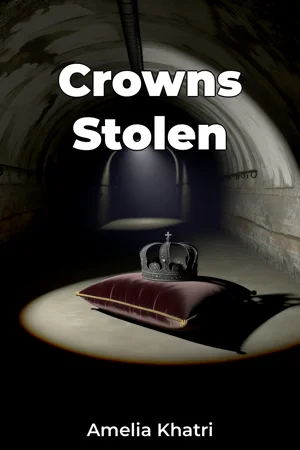
What if the very symbols of power, those glittering crowns and priceless jewels, vanished in the dead of night, reshaping not only history but the fate of nations? "Crowns Stolen" delves into the captivating world of royal heists, exploring the audacious thefts that have shaken monarchies and rewritten history. This book examines thefts' profound impact on the historical trajectory of royal houses. We explore not just the "how" of these crimes but the "why," unraveling the complex motivations behind these daring acts, from political upheaval to desperate greed. The thefts of royal regalia are pivotal events, often serving as flashpoints for broader societal changes. We provide vital historical context, examining the evolution of royal power and the symbolism embedded within crowns and jewels. Understanding the perceived value – both monetary and symbolic – of these items is essential to grasping the magnitude of their theft. No prior knowledge is explicitly required, as necessary information is provided throughout the chapters. The central argument asserts that royal heists are not merely isolated incidents of crime but potent symbols of societal unrest, political instability, and the shifting tides of power. These thefts expose vulnerabilities within seemingly impenetrable institutions, highlighting the fragility of even the most entrenched regimes. "Crowns Stolen" follows a structured narrative: Part One introduces the concept of royal regalia as symbols of power and prestige, as well as their perceived economic impact. Part Two presents detailed accounts of significant crown jewel heists throughout history, spanning various eras and geographical locations. Within each case study, there is an analysis of the heist itself, the motivations of the perpetrators, and the immediate and long-term consequences for the affected monarchy and nation. Part Three analyzes the broader implications of these thefts, exploring their impact on national identity, political stability, and the public perception of royalty. The conclusion synthesizes the key findings, offering insights into the enduring allure of royal jewels and the lessons learned from these high-stakes crimes. The book relies on a combination of primary and secondary sources, including historical documents, court records, newspaper articles, and academic research. It employs a comparative analysis methodology, tracing the common threads and unique aspects of different royal heists across time and cultures. We look to understand the societal impacts of these losses, as they are more than just items of financial worth. "Crowns Stolen" connects to several different fields, including criminology (analyzing the motivations and methods of the thieves), political science (examining the impact of the heists on political stability), and cultural studies (exploring the symbolism of royal regalia). These interdisciplinary connections enrich the analysis and provide a more comprehensive understanding of the subject matter. This book offers a fresh perspective by examining royal heists as potent symbols of societal change, moving beyond a simple recounting of criminal acts. It offers a lens through which to view the relationships between power, wealth, and social order. The writing style is narrative non-fiction, aiming to engage readers with compelling storytelling while maintaining scholarly rigor. The target audience includes history enthusiasts, true crime aficionados, and anyone interested in the intersection of power, politics, and crime. The book would be valuable for those seeking a deeper understanding of the historical forces that have shaped monarchies and the enduring fascination with royal wealth and power. It also attempts to examine the social impact of these events, looking at them as important historical moments. As true crime, the book provides detailed accounts of the heists, focusing on the planning, execution, and aftermath. As history, the book contextualizes these events within their broader historical and political settings. The scope of "Crowns Stolen" focuses on major royal heists that have had significant historical consequences, intentionally excluding minor incidents or unsubstantiated rumors. Although the book does not offer direct practical advice, it provides insights into the vulnerabilities of power structures and the importance of preserving cultural heritage. The book touches upon ongoing debates surrounding the role of monarchy in modern society and the ethics of acquiring and displaying royal treasures.
What if the very symbols of power, those glittering crowns and priceless jewels, vanished in the dead of night, reshaping not only history but the fate of nations? "Crowns Stolen" delves into the captivating world of royal heists, exploring the audacious thefts that have shaken monarchies and rewritten history. This book examines thefts' profound impact on the historical trajectory of royal houses. We explore not just the "how" of these crimes but the "why," unraveling the complex motivations behind these daring acts, from political upheaval to desperate greed. The thefts of royal regalia are pivotal events, often serving as flashpoints for broader societal changes. We provide vital historical context, examining the evolution of royal power and the symbolism embedded within crowns and jewels. Understanding the perceived value – both monetary and symbolic – of these items is essential to grasping the magnitude of their theft. No prior knowledge is explicitly required, as necessary information is provided throughout the chapters. The central argument asserts that royal heists are not merely isolated incidents of crime but potent symbols of societal unrest, political instability, and the shifting tides of power. These thefts expose vulnerabilities within seemingly impenetrable institutions, highlighting the fragility of even the most entrenched regimes. "Crowns Stolen" follows a structured narrative: Part One introduces the concept of royal regalia as symbols of power and prestige, as well as their perceived economic impact. Part Two presents detailed accounts of significant crown jewel heists throughout history, spanning various eras and geographical locations. Within each case study, there is an analysis of the heist itself, the motivations of the perpetrators, and the immediate and long-term consequences for the affected monarchy and nation. Part Three analyzes the broader implications of these thefts, exploring their impact on national identity, political stability, and the public perception of royalty. The conclusion synthesizes the key findings, offering insights into the enduring allure of royal jewels and the lessons learned from these high-stakes crimes. The book relies on a combination of primary and secondary sources, including historical documents, court records, newspaper articles, and academic research. It employs a comparative analysis methodology, tracing the common threads and unique aspects of different royal heists across time and cultures. We look to understand the societal impacts of these losses, as they are more than just items of financial worth. "Crowns Stolen" connects to several different fields, including criminology (analyzing the motivations and methods of the thieves), political science (examining the impact of the heists on political stability), and cultural studies (exploring the symbolism of royal regalia). These interdisciplinary connections enrich the analysis and provide a more comprehensive understanding of the subject matter. This book offers a fresh perspective by examining royal heists as potent symbols of societal change, moving beyond a simple recounting of criminal acts. It offers a lens through which to view the relationships between power, wealth, and social order. The writing style is narrative non-fiction, aiming to engage readers with compelling storytelling while maintaining scholarly rigor. The target audience includes history enthusiasts, true crime aficionados, and anyone interested in the intersection of power, politics, and crime. The book would be valuable for those seeking a deeper understanding of the historical forces that have shaped monarchies and the enduring fascination with royal wealth and power. It also attempts to examine the social impact of these events, looking at them as important historical moments. As true crime, the book provides detailed accounts of the heists, focusing on the planning, execution, and aftermath. As history, the book contextualizes these events within their broader historical and political settings. The scope of "Crowns Stolen" focuses on major royal heists that have had significant historical consequences, intentionally excluding minor incidents or unsubstantiated rumors. Although the book does not offer direct practical advice, it provides insights into the vulnerabilities of power structures and the importance of preserving cultural heritage. The book touches upon ongoing debates surrounding the role of monarchy in modern society and the ethics of acquiring and displaying royal treasures.
"Crowns Stolen" explores the captivating world of royal heists, positioning these daring thefts not merely as crimes but as pivotal historical events that reflect deeper societal unrest and political instability. The book uncovers how the loss of royal regalia, such as crown jewels, has served as a catalyst for broader societal changes, impacting national identity and the public perception of royalty. Imagine the symbolic weight of a king's crown, representing centuries of power, suddenly vanishing—this book delves into the "why" behind such audacious acts. The book examines the profound historical consequences of these thefts, offering detailed accounts of significant crown jewel heists across various eras and geographical locations. Each case study analyzes the heist itself, the motivations of the perpetrators, and the immediate and long-term impacts on the monarchy and nation. Proceeding from an introduction of royal regalia as symbols of power to specific historical examples and finally to an analysis of their broader implications, the narrative reveals how these crimes expose vulnerabilities within even the most entrenched regimes.
Book Details
ISBN
9788233987169
Publisher
Publifye AS
Your Licenses
You don't own any licenses for this book
Purchase a license below to unlock this book and download the EPUB.
Purchase License
Select a tier to unlock this book
Need bulk licensing?
Contact us for enterprise agreements.