
About This Book
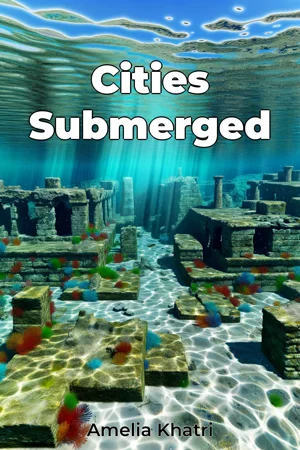
What secrets lie silently beneath the waves, swallowed by the inexorable rise of the oceans? "Cities Submerged" delves into the captivating history and ongoing archaeological exploration of ancient urban centers lost to the sea, revealing not only their dramatic disappearances but also the profound insights they offer into past civilizations and our present climate challenges. This book examines three crucial aspects of submerged cities: the geological and environmental factors that led to their inundation, the cultural and historical significance of these lost metropolises, and the cutting-edge archaeological techniques used to study them today. These topics are vital because they illuminate the dynamic relationship between humanity and the environment throughout history. Understanding these past events provides critical context for addressing contemporary concerns about sea-level rise and coastal vulnerability. We begin by establishing the geological and historical context for understanding how coastal cities have been submerged throughout history. This includes exploring natural processes such as tectonic activity, subsidence, and glacial melt, as well as human-induced factors like land reclamation and unsustainable coastal development. Readers will gain foundational knowledge of these processes, allowing them to better comprehend the specific case studies presented later. The central argument of "Cities Submerged" is that the study of these underwater sites provides invaluable insights into the adaptability, resilience, and ultimate vulnerabilities of past societies in the face of environmental change. By meticulously documenting and analyzing these lost urban centers, we can gain a deeper understanding of the complex interplay between human actions and natural forces, which is essential for informing our responses to current climate change challenges. The book is structured to guide the reader through a comprehensive exploration of this topic. Initially, we introduce the fundamental concepts of coastal geomorphology, marine archaeology, and the historical drivers of sea-level change. The subsequent sections will focus on specific case studies: * **Vanished Harbors and Ports:** We examine significant submerged port cities around the world, such as Port Royal in Jamaica, Pavlopetri off the coast of Greece, and possibly parts of Alexandria, Egypt. These examples illustrate the diverse reasons for submersion, ranging from earthquakes and tsunamis to gradual sea-level rise and subsidence. * **Cultural Impacts and Adaptations:** This section explores how these civilizations adapted to changing coastal conditions, including the engineering solutions they employed and the social and economic consequences of their environments. * **Modern Archaeological Techniques:** The book highlights the innovative methods used by marine archaeologists to locate, excavate, and analyze underwater sites, including remote sensing technologies, 3D modeling, and advanced diving techniques. This investigation culminates in a discussion of the implications of these findings for modern coastal communities facing similar threats today. "Cities Submerged" draws upon a wealth of evidence, including geological surveys, historical records, archaeological reports, and underwater imaging data. It also incorporates the latest research from scientific journals and field studies. Unique data sources include side-scan sonar imagery, sediment core samples, and remotely operated vehicle (ROV) footage of submerged structures. The book intersects with several other fields, including climate science, environmental history, and urban planning. Climate science provides the data to understand the causes and projections of sea-level rise. Environmental history offers insight into how past societies interacted with and altered their environments. Urban planning uses this knowledge to develop strategies for creating more resilient coastal communities. These interdisciplinary connections enrich the book's arguments by showcasing the multifaceted nature of coastal change. Our approach combines rigorous scientific analysis with engaging storytelling, creating a book that is both informative and accessible to a broad audience. The tone is authoritative yet conversational, making complex topics understandable without sacrificing accuracy. "Cities Submerged" is intended for anyone interested in history, archaeology, earth sciences, or climate change. It will appeal to general readers, students, and researchers alike, offering valuable insights into the past, present, and future of coastal communities. This book is a fact-based exploration of submerged cities, aligning perfectly with the non-fiction genre's commitment to accuracy and in-depth analysis. The scope of the book is global, encompassing submerged cities from various regions and time periods. However, it intentionally focuses on sites where substantial archaeological research has been conducted, allowing for a more detailed and evidence-based analysis. Some potential sites may be omitted due to lack of information. The information in "Cities Submerged" has practical applications for coastal management and disaster preparedness. By understanding how past civilizations responded to sea-level rise and other coastal hazards, we can develop more informed strategies for mitigating the impacts of climate change on vulnerable coastal populations today. While the causes of ancient submergence are more localized, the role of contemporary human activity and accelerated climate change is a major ongoing debate. The book will address this nuanced issue by exploring the differences and similarities between ancient and modern events, ultimately highlighting the urgency of addressing climate change to protect coastal communities around the globe.
What secrets lie silently beneath the waves, swallowed by the inexorable rise of the oceans? "Cities Submerged" delves into the captivating history and ongoing archaeological exploration of ancient urban centers lost to the sea, revealing not only their dramatic disappearances but also the profound insights they offer into past civilizations and our present climate challenges. This book examines three crucial aspects of submerged cities: the geological and environmental factors that led to their inundation, the cultural and historical significance of these lost metropolises, and the cutting-edge archaeological techniques used to study them today. These topics are vital because they illuminate the dynamic relationship between humanity and the environment throughout history. Understanding these past events provides critical context for addressing contemporary concerns about sea-level rise and coastal vulnerability. We begin by establishing the geological and historical context for understanding how coastal cities have been submerged throughout history. This includes exploring natural processes such as tectonic activity, subsidence, and glacial melt, as well as human-induced factors like land reclamation and unsustainable coastal development. Readers will gain foundational knowledge of these processes, allowing them to better comprehend the specific case studies presented later. The central argument of "Cities Submerged" is that the study of these underwater sites provides invaluable insights into the adaptability, resilience, and ultimate vulnerabilities of past societies in the face of environmental change. By meticulously documenting and analyzing these lost urban centers, we can gain a deeper understanding of the complex interplay between human actions and natural forces, which is essential for informing our responses to current climate change challenges. The book is structured to guide the reader through a comprehensive exploration of this topic. Initially, we introduce the fundamental concepts of coastal geomorphology, marine archaeology, and the historical drivers of sea-level change. The subsequent sections will focus on specific case studies: * **Vanished Harbors and Ports:** We examine significant submerged port cities around the world, such as Port Royal in Jamaica, Pavlopetri off the coast of Greece, and possibly parts of Alexandria, Egypt. These examples illustrate the diverse reasons for submersion, ranging from earthquakes and tsunamis to gradual sea-level rise and subsidence. * **Cultural Impacts and Adaptations:** This section explores how these civilizations adapted to changing coastal conditions, including the engineering solutions they employed and the social and economic consequences of their environments. * **Modern Archaeological Techniques:** The book highlights the innovative methods used by marine archaeologists to locate, excavate, and analyze underwater sites, including remote sensing technologies, 3D modeling, and advanced diving techniques. This investigation culminates in a discussion of the implications of these findings for modern coastal communities facing similar threats today. "Cities Submerged" draws upon a wealth of evidence, including geological surveys, historical records, archaeological reports, and underwater imaging data. It also incorporates the latest research from scientific journals and field studies. Unique data sources include side-scan sonar imagery, sediment core samples, and remotely operated vehicle (ROV) footage of submerged structures. The book intersects with several other fields, including climate science, environmental history, and urban planning. Climate science provides the data to understand the causes and projections of sea-level rise. Environmental history offers insight into how past societies interacted with and altered their environments. Urban planning uses this knowledge to develop strategies for creating more resilient coastal communities. These interdisciplinary connections enrich the book's arguments by showcasing the multifaceted nature of coastal change. Our approach combines rigorous scientific analysis with engaging storytelling, creating a book that is both informative and accessible to a broad audience. The tone is authoritative yet conversational, making complex topics understandable without sacrificing accuracy. "Cities Submerged" is intended for anyone interested in history, archaeology, earth sciences, or climate change. It will appeal to general readers, students, and researchers alike, offering valuable insights into the past, present, and future of coastal communities. This book is a fact-based exploration of submerged cities, aligning perfectly with the non-fiction genre's commitment to accuracy and in-depth analysis. The scope of the book is global, encompassing submerged cities from various regions and time periods. However, it intentionally focuses on sites where substantial archaeological research has been conducted, allowing for a more detailed and evidence-based analysis. Some potential sites may be omitted due to lack of information. The information in "Cities Submerged" has practical applications for coastal management and disaster preparedness. By understanding how past civilizations responded to sea-level rise and other coastal hazards, we can develop more informed strategies for mitigating the impacts of climate change on vulnerable coastal populations today. While the causes of ancient submergence are more localized, the role of contemporary human activity and accelerated climate change is a major ongoing debate. The book will address this nuanced issue by exploring the differences and similarities between ancient and modern events, ultimately highlighting the urgency of addressing climate change to protect coastal communities around the globe.
"Cities Submerged" explores the fascinating world of underwater archaeology, diving into the history and science behind cities lost to the sea. The book examines how geological events, like earthquakes and tsunamis, and environmental changes submerged coastal settlements, offering vital lessons for our current climate crisis. Marine archaeology uncovers the secrets of these lost metropolises, revealing insights into past civilizations and their interactions with a changing environment. The book uniquely blends Earth Sciences, Geography, and History to examine submerged cities like Port Royal, Pavlopetri, and parts of Alexandria. It details crucial aspects like the geological factors behind inundation and the ingenious coastal adaptations of past societies. Readers will discover how underwater archaeological techniques, like remote sensing and 3D modeling, bring these lost worlds back to life. By understanding how these past societies faced environmental challenges, "Cities Submerged" offers crucial context for addressing modern coastal vulnerability and sea-level rise. The book guides the reader through foundational concepts of coastal geomorphology and marine archaeology, progressing to specific case studies of vanished harbors and ports. Exploring cultural impacts and adaptations, it culminates in a discussion of the implications for today's coastal communities. Ultimately, "Cities Submerged" argues that the study of these underwater sites provides invaluable insights into the adaptability, resilience, and vulnerabilities of past societies.
Book Details
ISBN
9788233987107
Publisher
Publifye AS
Your Licenses
You don't own any licenses for this book
Purchase a license below to unlock this book and download the EPUB.
Purchase License
Select a tier to unlock this book
Need bulk licensing?
Contact us for enterprise agreements.