
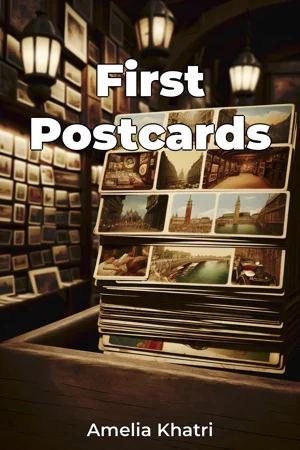
About This Book
Did you know that a simple, rectangular piece of cardboard once revolutionized communication and blossomed into a beloved collectible? "First Postcards" delves into the captivating history and cultural impact of postcards, tracing their evolution from practical messaging tools to cherished keepsakes. This book examines the dual nature of postcards as both a widespread communication medium and objects of enduring collectibility, exploring how they reflect social trends, artistic movements, and technological advancements. This book will contextualize the emergence of postcards within the context of 19th-century postal reforms, advancements in printing technology, and the growing desire for affordable and accessible communication. Understanding these factors is essential for grasping the rapid adoption of postcards across social classes and geographical boundaries. The central argument is that postcards, far from being mere ephemera, offer a unique and valuable window into understanding the past, providing insights into everyday life, cultural values and historical events that are often overlooked by more traditional historical sources. "First Postcards" unfolds in three distinct sections. Firstly, the book introduces the origins of the postcard, tracing its development from precursors like postal stationery to the standardized format we recognize today. This section explores the key innovations that made postcards practical, affordable, and popular. Secondly, the book examines the "Golden Age" of postcards, exploring the diverse types of cards produced, the printing techniques employed, and the social uses of postcards across different communities. This section emphasizes the way postcards transmitted visual information and facilitated communication on an unprecedented scale. Thirdly, the book delves into the world of postcard collecting, from early collecting mania, to modern collecting practices. It also emphasizes some of the major postcard artists, publishers, and themes. The book draws on a wide array of primary sources, including collections of early postcards, postal archives, and contemporary accounts from newspapers, magazines, and personal correspondence. This research is supplemented by secondary scholarship in the fields of postal history, visual culture, and material culture. This approach is designed to give the reader a comprehensive and balanced view of the topic. "First Postcards" connects to several other fields, including art history (analyzing postcard imagery as a reflection of artistic trends), sociology (exploring postcards as a form of social interaction and identity expression), and communications studies (examining the role of postcards in the evolution of communication technologies). By highlighting these interdisciplinary connections, the book provides a richer and more nuanced understanding of the subject. This book distinguishes itself by examining the multifaceted aspects of postcards, exploring the relationship between their functional utility as communication tools and their cultural significance as collectible items. It adopts a narrative non-fiction style, aiming to engage and inform a broad audience interested in history, material culture, and popular culture. "First Postcards" is intended for collectors, history enthusiasts, and anyone curious about the evolution of communication. It provides valuable insights into a fascinating and often overlooked aspect of our past, while at the same time, offering practical advice for collectors interested in building and preserving their own postcard collections. As a work of non-fiction, "First Postcards" aims to provide an accurate and evidence-based account of postcard history and collecting. The scope is limited to postcards produced up to the mid-20th century, focusing primarily on examples from Europe and North America. This limitation allows for a deeper exploration of a specific period and geographical context. The information presented can be applied practically by readers interested in starting or expanding their own postcard collections. The book also provides insights into how to research, identify, and preserve postcards, enhancing their appreciation of these historical artifacts. While postcards may seem innocuous, their use has occasionally sparked social and political debates, such as concerns about privacy and the spread of propaganda. "First Postcards" addresses these issues in a balanced and objective manner, acknowledging the complexities of the topic.
Did you know that a simple, rectangular piece of cardboard once revolutionized communication and blossomed into a beloved collectible? "First Postcards" delves into the captivating history and cultural impact of postcards, tracing their evolution from practical messaging tools to cherished keepsakes. This book examines the dual nature of postcards as both a widespread communication medium and objects of enduring collectibility, exploring how they reflect social trends, artistic movements, and technological advancements. This book will contextualize the emergence of postcards within the context of 19th-century postal reforms, advancements in printing technology, and the growing desire for affordable and accessible communication. Understanding these factors is essential for grasping the rapid adoption of postcards across social classes and geographical boundaries. The central argument is that postcards, far from being mere ephemera, offer a unique and valuable window into understanding the past, providing insights into everyday life, cultural values and historical events that are often overlooked by more traditional historical sources. "First Postcards" unfolds in three distinct sections. Firstly, the book introduces the origins of the postcard, tracing its development from precursors like postal stationery to the standardized format we recognize today. This section explores the key innovations that made postcards practical, affordable, and popular. Secondly, the book examines the "Golden Age" of postcards, exploring the diverse types of cards produced, the printing techniques employed, and the social uses of postcards across different communities. This section emphasizes the way postcards transmitted visual information and facilitated communication on an unprecedented scale. Thirdly, the book delves into the world of postcard collecting, from early collecting mania, to modern collecting practices. It also emphasizes some of the major postcard artists, publishers, and themes. The book draws on a wide array of primary sources, including collections of early postcards, postal archives, and contemporary accounts from newspapers, magazines, and personal correspondence. This research is supplemented by secondary scholarship in the fields of postal history, visual culture, and material culture. This approach is designed to give the reader a comprehensive and balanced view of the topic. "First Postcards" connects to several other fields, including art history (analyzing postcard imagery as a reflection of artistic trends), sociology (exploring postcards as a form of social interaction and identity expression), and communications studies (examining the role of postcards in the evolution of communication technologies). By highlighting these interdisciplinary connections, the book provides a richer and more nuanced understanding of the subject. This book distinguishes itself by examining the multifaceted aspects of postcards, exploring the relationship between their functional utility as communication tools and their cultural significance as collectible items. It adopts a narrative non-fiction style, aiming to engage and inform a broad audience interested in history, material culture, and popular culture. "First Postcards" is intended for collectors, history enthusiasts, and anyone curious about the evolution of communication. It provides valuable insights into a fascinating and often overlooked aspect of our past, while at the same time, offering practical advice for collectors interested in building and preserving their own postcard collections. As a work of non-fiction, "First Postcards" aims to provide an accurate and evidence-based account of postcard history and collecting. The scope is limited to postcards produced up to the mid-20th century, focusing primarily on examples from Europe and North America. This limitation allows for a deeper exploration of a specific period and geographical context. The information presented can be applied practically by readers interested in starting or expanding their own postcard collections. The book also provides insights into how to research, identify, and preserve postcards, enhancing their appreciation of these historical artifacts. While postcards may seem innocuous, their use has occasionally sparked social and political debates, such as concerns about privacy and the spread of propaganda. "First Postcards" addresses these issues in a balanced and objective manner, acknowledging the complexities of the topic.
"First Postcards" explores the captivating history of postcards, revealing their evolution from simple communication tools to cherished collectibles. It examines how postcards reflect social trends, artistic movements, and technological advancements of the 19th and early 20th centuries. The book contextualizes their emergence within postal reforms and printing innovations, highlighting the rapid adoption of postcards across social classes. It argues that these seemingly simple pieces of ephemera offer a unique window into the past, providing insights into everyday life and cultural values often overlooked by traditional historical sources, especially during the golden age of postcards. The book unfolds in three sections, beginning with the origins of postcards and their precursors, then exploring the "Golden Age" of postcards, including diverse types and printing techniques. Finally, it delves into the world of postcard collecting, highlighting early collecting mania and modern practices, as well as major postcard artists and themes. By drawing on primary sources like early postcard collections and postal archives, "First Postcards" provides a comprehensive view of postcard history and their cultural impact. This book will appeal to collectors, history enthusiasts and hobbyists alike.
Book Details
ISBN
9788233987008
Publisher
Publifye AS
Your Licenses
You don't own any licenses for this book
Purchase a license below to unlock this book and download the EPUB.
Purchase License
Select a tier to unlock this book
Need bulk licensing?
Contact us for enterprise agreements.