
About This Book
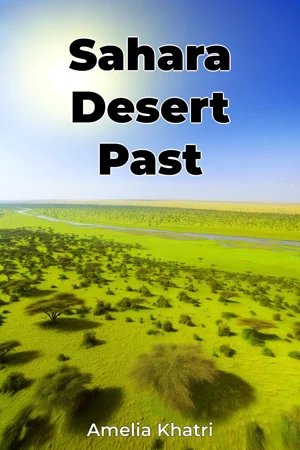
What if the world's largest desert was once a lush, thriving landscape? The Sahara Desert, a seemingly timeless expanse of sand, holds secrets of a vibrant past, a crucial role in the development of trade routes, the rise and fall of ancient civilizations, and the existence of cities now swallowed by the sands. This book, "Sahara Desert Past," unveils the complex narrative of this region, exploring its dramatic transformation from a fertile environment to the arid state we know today, and its enduring significance in human history. The book's core focuses on three principal themes: the environmental shifts that led to the Sahara's desertification, the development and consequences of trans-Saharan trade networks, and the impact of the Sahara on the societies that bordered and traversed it. Understanding these themes is vital for comprehending the long-term interplay between climate change, human adaptation, and the evolution of civilizations. It offers a unique perspective on how environmental changes shape human endeavors and how people, in turn, affect their environment. To fully appreciate the Sahara's story, we must consider its geological history, the climatic fluctuations of the Holocene period, and the archaeological evidence unearthed from across the region, from rock art to the remnants of settlements. The book argues that the Sahara's desertification was not a sudden event but a gradual process, punctuated by periods of increased humidity and human activity. It highlights the resilience and adaptability of the populations who lived in and around the Sahara, demonstrating how they developed sophisticated strategies for survival and prosperity. "Sahara Desert Past" is structured to provide a comprehensive understanding of the desert's past. It begins by setting the geographical and geological stage, introducing the Sahara's diverse landscapes and its location within the African continent. It then delves into the evidence for a "Green Sahara," examining the paleoclimatological data, fossil records, and pollen analysis that paint a picture of a wetter, more habitable environment. Subsequent sections explore the rise of trans-Saharan trade, focusing on the exchange of goods, ideas, and cultural practices between North Africa, Sub-Saharan Africa, and the Mediterranean world. The book culminates by examining specific examples of ancient cities and settlements that flourished in the Sahara, drawing conclusions about the complex relationship between humans and the environment. Archaeological findings, historical texts from Arab scholars, and geological surveys are analyzed to support the claims. The book also provides insights into lessons that can be gleaned from the ancient past for modern-day environmental challenges. Through an interdisciplinary lens, "Sahara Desert Past" draws connections between Earth Sciences, History, and Anthropology. The geological evidence informs our understanding of environmental change, while historical accounts shed light on the social and economic dynamics of trans-Saharan trade. Anthropological research provides insights into the cultural adaptations of the people who lived in the region. This interdisciplinary approach offers a more holistic and nuanced understanding of the Sahara's past. This book distinguishes itself by bringing together a wide range of scientific and historical data to present a cohesive narrative of the Sahara's transformation. It steers clear of romanticized portrayals of desert life, focusing instead on a rigorous analysis of evidence. The writing style is accessible and engaging, designed to appeal to readers with an interest in history, geography, or environmental science. While providing a wealth of factual information, the book maintains a clear and engaging tone, making complex topics understandable without sacrificing academic rigor. The target audience includes students, researchers, and general readers interested in African history, climate change, or the intersection of human societies and the environment. The book offers valuable insights for anyone seeking to understand the long-term consequences of environmental change. It provides a comprehensive overview of the Sahara's past, while avoiding excessive detail on specific technical aspects, so readers can grasp the overall narrative and its broader implications. While the book offers a wide-ranging overview with a focus on key periods and events, it acknowledges limitations in geographic scope and temporal depth due to the vastness and complexity of the Sahara. "Sahara Desert Past" acknowledges the ongoing debates surrounding the precise timing and causes of desertification, and presents alternative perspectives where relevant.
What if the world's largest desert was once a lush, thriving landscape? The Sahara Desert, a seemingly timeless expanse of sand, holds secrets of a vibrant past, a crucial role in the development of trade routes, the rise and fall of ancient civilizations, and the existence of cities now swallowed by the sands. This book, "Sahara Desert Past," unveils the complex narrative of this region, exploring its dramatic transformation from a fertile environment to the arid state we know today, and its enduring significance in human history. The book's core focuses on three principal themes: the environmental shifts that led to the Sahara's desertification, the development and consequences of trans-Saharan trade networks, and the impact of the Sahara on the societies that bordered and traversed it. Understanding these themes is vital for comprehending the long-term interplay between climate change, human adaptation, and the evolution of civilizations. It offers a unique perspective on how environmental changes shape human endeavors and how people, in turn, affect their environment. To fully appreciate the Sahara's story, we must consider its geological history, the climatic fluctuations of the Holocene period, and the archaeological evidence unearthed from across the region, from rock art to the remnants of settlements. The book argues that the Sahara's desertification was not a sudden event but a gradual process, punctuated by periods of increased humidity and human activity. It highlights the resilience and adaptability of the populations who lived in and around the Sahara, demonstrating how they developed sophisticated strategies for survival and prosperity. "Sahara Desert Past" is structured to provide a comprehensive understanding of the desert's past. It begins by setting the geographical and geological stage, introducing the Sahara's diverse landscapes and its location within the African continent. It then delves into the evidence for a "Green Sahara," examining the paleoclimatological data, fossil records, and pollen analysis that paint a picture of a wetter, more habitable environment. Subsequent sections explore the rise of trans-Saharan trade, focusing on the exchange of goods, ideas, and cultural practices between North Africa, Sub-Saharan Africa, and the Mediterranean world. The book culminates by examining specific examples of ancient cities and settlements that flourished in the Sahara, drawing conclusions about the complex relationship between humans and the environment. Archaeological findings, historical texts from Arab scholars, and geological surveys are analyzed to support the claims. The book also provides insights into lessons that can be gleaned from the ancient past for modern-day environmental challenges. Through an interdisciplinary lens, "Sahara Desert Past" draws connections between Earth Sciences, History, and Anthropology. The geological evidence informs our understanding of environmental change, while historical accounts shed light on the social and economic dynamics of trans-Saharan trade. Anthropological research provides insights into the cultural adaptations of the people who lived in the region. This interdisciplinary approach offers a more holistic and nuanced understanding of the Sahara's past. This book distinguishes itself by bringing together a wide range of scientific and historical data to present a cohesive narrative of the Sahara's transformation. It steers clear of romanticized portrayals of desert life, focusing instead on a rigorous analysis of evidence. The writing style is accessible and engaging, designed to appeal to readers with an interest in history, geography, or environmental science. While providing a wealth of factual information, the book maintains a clear and engaging tone, making complex topics understandable without sacrificing academic rigor. The target audience includes students, researchers, and general readers interested in African history, climate change, or the intersection of human societies and the environment. The book offers valuable insights for anyone seeking to understand the long-term consequences of environmental change. It provides a comprehensive overview of the Sahara's past, while avoiding excessive detail on specific technical aspects, so readers can grasp the overall narrative and its broader implications. While the book offers a wide-ranging overview with a focus on key periods and events, it acknowledges limitations in geographic scope and temporal depth due to the vastness and complexity of the Sahara. "Sahara Desert Past" acknowledges the ongoing debates surrounding the precise timing and causes of desertification, and presents alternative perspectives where relevant.
"Sahara Desert Past" explores the captivating history of the Sahara Desert, revealing its transformation from a fertile landscape to the arid expanse we know today. Contrary to its current state, the Sahara was once a "Green Sahara," supporting diverse ecosystems and human settlements. The book unveils the intricate interplay between environmental change, human adaptation, and the rise and fall of ancient civilizations in Saharan Africa. The book examines the geological history and climate fluctuations of the Holocene period, alongside archaeological evidence, to understand the desertification process. "Sahara Desert Past" highlights the crucial role of Trans-Saharan Trade in connecting North Africa, Sub-Saharan Africa, and the Mediterranean world, facilitating the exchange of goods, ideas, and cultural practices. It further explores the impact of these trade networks on the societies that traversed the area. The book adopts an interdisciplinary approach, blending Earth Sciences, Geography, and History to present a comprehensive narrative. Beginning with the Sahara's geographical setting, the book progresses through the era of the "Green Sahara," the rise of trans-Saharan trade, and concludes with an examination of ancient Saharan cities. This approach offers readers a nuanced understanding of the Sahara's past and its relevance to modern-day environmental challenges.
Book Details
ISBN
9788233986995
Publisher
Publifye AS
Your Licenses
You don't own any licenses for this book
Purchase a license below to unlock this book and download the EPUB.
Purchase License
Select a tier to unlock this book
Need bulk licensing?
Contact us for enterprise agreements.