
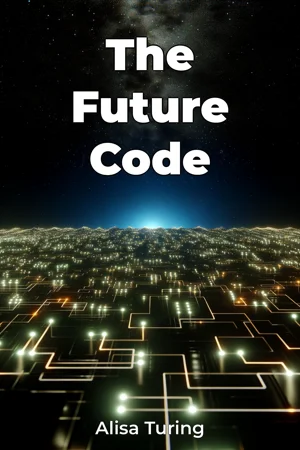
About This Book
Are we prepared for a world where our digital fortresses are simultaneously more vulnerable and more impenetrable than ever before? "The Future Code" cuts to the heart of this question, exploring how artificial intelligence, quantum computing, and advanced encryption techniques are poised to redefine the landscape of cybersecurity and information technology. These technologies, while offering unprecedented opportunities, also introduce challenges that demand a fundamental rethinking of our approach to data protection and digital infrastructure. This book examines the rising interplay of three pivotal areas: artificial intelligence (AI) in threat detection and response, the looming impact of quantum computing on existing cryptographic systems, and the development of advanced encryption methods designed to withstand quantum attacks. These topics are crucial because they represent the cutting edge of both offensive and defensive capabilities in the digital realm. Understanding these dynamics is no longer the sole purview of specialists; it's vital for anyone navigating our increasingly digitized world. To fully grasp the implications of these advancements, it's essential to acknowledge the historical context. From the earliest forms of cryptography to the evolution of network security, the history of information technology has been a constant race between code makers and code breakers. Today, we stand on the precipice of a new era where computational power and algorithmic sophistication are reshaping the rules of engagement. Readers should have a basic understanding of computing concepts, cryptography, and network security will find the book more accessible, but no prior expertise is required. The central argument of "The Future Code" is that the convergence of AI, quantum computing, and advanced encryption presents a paradigm shift, demanding a proactive and adaptable cybersecurity posture. We must move beyond traditional reactive measures and embrace a holistic strategy that integrates these technologies to safeguard our digital assets. This argument underscores the need for continuous learning, collaboration, and innovation to stay ahead of emerging threats. The book unfolds in three major sections. First, it introduces the core concepts of AI, quantum computing, and advanced encryption, laying the groundwork with clear explanations and illustrative examples. Second, it delves into specific applications and challenges, exploring how AI is being used to detect and respond to cyberattacks, how quantum computing threatens current encryption standards, and how new quantum-resistant algorithms are being developed. Third, it examines the broader implications, discussing the ethical considerations, policy challenges, and potential societal impacts of these technological advancements. The book culminates with practical recommendations for organizations and individuals seeking to navigate this complex landscape, emphasizing the importance of proactive risk management and continuous adaptation. The arguments presented are supported by a wide range of data, including case studies of real-world cyberattacks, performance benchmarks of different encryption algorithms, and expert interviews with leading researchers and practitioners. The book also draws from academic papers, industry reports, and government publications to provide a comprehensive and balanced perspective. "The Future Code" connects to diverse fields such as mathematics, physics, and public policy. The mathematical foundations of cryptography are essential for understanding the strength and weaknesses of different encryption methods. The principles of quantum mechanics underpin the power – and threat – of quantum computing. Finally, public policy plays a critical role in shaping the regulatory environment and fostering innovation in cybersecurity. These interdisciplinary connections enrich the book's analysis and provide a more holistic understanding of the topic. This book offers a unique perspective by integrating technical analysis with practical guidance and ethical considerations. It avoids technical jargon where possible, presenting complex concepts in a clear and accessible manner. The tone is informative and engaging, aiming to educate and empower readers to make informed decisions about their digital security. The target audience includes IT professionals, cybersecurity specialists, business leaders, policymakers, and anyone interested in understanding the future of technology and its impact on society. This book offers valuable insights for those seeking to navigate the challenges and opportunities presented by AI, quantum computing, and advanced encryption. As an information technology book, "The Future Code" prioritizes accuracy, clarity, and relevance. It adheres to the conventions of non-fiction writing by providing clear citations, supporting arguments with evidence, and presenting information in a structured and logical manner. While the book provides a broad overview of AI, quantum computing, and advanced encryption, it does not delve into the intricate mathematical details of each technology. The focus is on providing a high-level understanding of the key concepts and their implications for cybersecurity. The information in "The Future Code" can be applied in various ways. IT professionals can use it to improve their organization's security posture. Business leaders can use it to make informed decisions about technology investments. Policymakers can use it to develop effective cybersecurity regulations. And individuals can use it to protect their personal data and privacy. The book addresses ongoing debates in the field, such as the timeline for quantum computers becoming a serious threat to existing encryption, the ethical implications of using AI in cybersecurity, and the balance between security and privacy in the digital age.
Are we prepared for a world where our digital fortresses are simultaneously more vulnerable and more impenetrable than ever before? "The Future Code" cuts to the heart of this question, exploring how artificial intelligence, quantum computing, and advanced encryption techniques are poised to redefine the landscape of cybersecurity and information technology. These technologies, while offering unprecedented opportunities, also introduce challenges that demand a fundamental rethinking of our approach to data protection and digital infrastructure. This book examines the rising interplay of three pivotal areas: artificial intelligence (AI) in threat detection and response, the looming impact of quantum computing on existing cryptographic systems, and the development of advanced encryption methods designed to withstand quantum attacks. These topics are crucial because they represent the cutting edge of both offensive and defensive capabilities in the digital realm. Understanding these dynamics is no longer the sole purview of specialists; it's vital for anyone navigating our increasingly digitized world. To fully grasp the implications of these advancements, it's essential to acknowledge the historical context. From the earliest forms of cryptography to the evolution of network security, the history of information technology has been a constant race between code makers and code breakers. Today, we stand on the precipice of a new era where computational power and algorithmic sophistication are reshaping the rules of engagement. Readers should have a basic understanding of computing concepts, cryptography, and network security will find the book more accessible, but no prior expertise is required. The central argument of "The Future Code" is that the convergence of AI, quantum computing, and advanced encryption presents a paradigm shift, demanding a proactive and adaptable cybersecurity posture. We must move beyond traditional reactive measures and embrace a holistic strategy that integrates these technologies to safeguard our digital assets. This argument underscores the need for continuous learning, collaboration, and innovation to stay ahead of emerging threats. The book unfolds in three major sections. First, it introduces the core concepts of AI, quantum computing, and advanced encryption, laying the groundwork with clear explanations and illustrative examples. Second, it delves into specific applications and challenges, exploring how AI is being used to detect and respond to cyberattacks, how quantum computing threatens current encryption standards, and how new quantum-resistant algorithms are being developed. Third, it examines the broader implications, discussing the ethical considerations, policy challenges, and potential societal impacts of these technological advancements. The book culminates with practical recommendations for organizations and individuals seeking to navigate this complex landscape, emphasizing the importance of proactive risk management and continuous adaptation. The arguments presented are supported by a wide range of data, including case studies of real-world cyberattacks, performance benchmarks of different encryption algorithms, and expert interviews with leading researchers and practitioners. The book also draws from academic papers, industry reports, and government publications to provide a comprehensive and balanced perspective. "The Future Code" connects to diverse fields such as mathematics, physics, and public policy. The mathematical foundations of cryptography are essential for understanding the strength and weaknesses of different encryption methods. The principles of quantum mechanics underpin the power – and threat – of quantum computing. Finally, public policy plays a critical role in shaping the regulatory environment and fostering innovation in cybersecurity. These interdisciplinary connections enrich the book's analysis and provide a more holistic understanding of the topic. This book offers a unique perspective by integrating technical analysis with practical guidance and ethical considerations. It avoids technical jargon where possible, presenting complex concepts in a clear and accessible manner. The tone is informative and engaging, aiming to educate and empower readers to make informed decisions about their digital security. The target audience includes IT professionals, cybersecurity specialists, business leaders, policymakers, and anyone interested in understanding the future of technology and its impact on society. This book offers valuable insights for those seeking to navigate the challenges and opportunities presented by AI, quantum computing, and advanced encryption. As an information technology book, "The Future Code" prioritizes accuracy, clarity, and relevance. It adheres to the conventions of non-fiction writing by providing clear citations, supporting arguments with evidence, and presenting information in a structured and logical manner. While the book provides a broad overview of AI, quantum computing, and advanced encryption, it does not delve into the intricate mathematical details of each technology. The focus is on providing a high-level understanding of the key concepts and their implications for cybersecurity. The information in "The Future Code" can be applied in various ways. IT professionals can use it to improve their organization's security posture. Business leaders can use it to make informed decisions about technology investments. Policymakers can use it to develop effective cybersecurity regulations. And individuals can use it to protect their personal data and privacy. The book addresses ongoing debates in the field, such as the timeline for quantum computers becoming a serious threat to existing encryption, the ethical implications of using AI in cybersecurity, and the balance between security and privacy in the digital age.
"The Future Code" explores the convergence of artificial intelligence, quantum computing, and advanced encryption, examining how these technologies are reshaping cybersecurity and information technology. It addresses the critical need to rethink data protection and digital infrastructure strategies in light of these advancements. A key focus is on AI's role in threat detection, the potential of quantum computing to break existing cryptographic systems, and the development of quantum-resistant algorithms. The book emphasizes the shift from reactive to proactive cybersecurity measures. The book uniquely integrates technical analysis with practical guidance and ethical considerations, avoiding excessive jargon to ensure accessibility. Readers will discover how the history of information technology is marked by a constant race between code makers and breakers, culminating in today's sophisticated digital landscape. "The Future Code" unfolds in three parts: introducing core concepts, delving into applications and challenges, and examining broader implications. It concludes with recommendations for navigating this evolving technological terrain.
Book Details
ISBN
9788233986926
Publisher
Publifye AS
Your Licenses
You don't own any licenses for this book
Purchase a license below to unlock this book and download the EPUB.
Purchase License
Select a tier to unlock this book
Need bulk licensing?
Contact us for enterprise agreements.