
About This Book
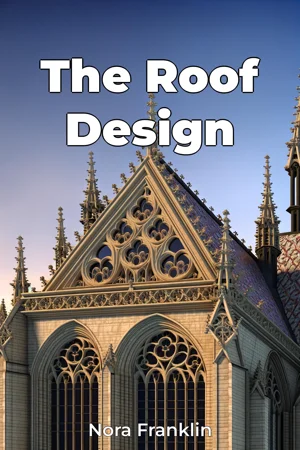
Have you ever considered the roof as more than just a shelter from the elements? This book, "The Roof Design," delves into the multifaceted world of roofs, revealing their crucial role in architecture, engineering, and cultural expression across different eras. We explore how roof design is not simply a functional necessity but also a significant element shaping aesthetics and environmental impact. The book addresses three main topics. First, we dissect the engineering principles that underpin roof construction, from load-bearing capabilities to drainage systems, explaining the scientific rationale behind various structural choices. Second, we investigate the architectural significance of roofs throughout history, analyzing how different roof styles reflect distinct cultural values, technological advancements, and aesthetic preferences. Third, we examine the evolution of roofing materials, charting the progression from natural substances like thatch and slate to modern composites and sustainable options, evaluating their performance and environmental implications. The evolution of roof design is intertwined with the history of human civilization. From the simple thatched roofs of early settlements to the complex, geometrically daring structures of modern skyscrapers, roofs reflect humanity's evolving needs, desires, and technological capabilities. Understanding this evolution requires context from various fields, including materials science, structural engineering, and architectural history. It is not necessary to have an existing degree to grasp the concepts however familiarity with basic geometry and an appreciation for the visual arts will enhance the reading experience. The central thesis of this book is that the evolution of roof design is a microcosm of broader technological and cultural shifts in human history. By analyzing roof structures, we can gain profound insights into the values, priorities, and ingenuity of different societies throughout time. This argument is important because it encourages a more holistic understanding of architecture, one that recognizes the roof as an integral and expressive component of the built environment. The book follows a structured path. We begin by introducing fundamental concepts of roof engineering and architectural styles. Then we dedicate chapters to key periods and movements such as ancient Roman roofs, the Gothic era with its soaring cathedrals, and the emergence of modernist designs. The culmination of these ideas leads to a discussion of contemporary roof technology, focusing on green roofs, solar integration, and other sustainable practices. We conclude by exploring practical applications of the presented knowledge, providing case studies and design guidelines for architects and builders. Our arguments are supported by a wide range of evidence, including historical documents, architectural plans, material specifications and performance data. We analyze case studies of notable buildings and architectural innovations from around the world. Unique data sources include archival records of building permits, material cost analyses, and energy-efficiency reports. This book also connects to fields such as environmental science, examining the environmental impact of roofing materials and the potential for sustainable designs. Connections to art history are also explored, focusing on the aesthetic symbolism of various roof styles and their role in shaping cultural identity. Additionally, we touch upon the sociological aspects of roof design, considering how roof styles reflect and reinforce social hierarchies and community values. A unique aspect of this work is its integrated approach, combining aspects of engineering, architectural history, and materials science to provide a comprehensive understanding of roof design. We avoid jargon and present complex information in an accessible manner. The overall tone is informative and analytical, aiming to educate readers while also inspiring a sense of appreciation for the artistry and engineering that goes into roof design. The writing style is clear and concise, avoiding overly technical language while maintaining accuracy. The intended audience includes architecture students, practicing architects, engineers, building contractors, and anyone with an interest in building design and construction. This book will be valuable to them because it provides a comprehensive overview of roof design principles, historical context, and modern innovations. As a work of non-fiction in architecture and design, this book adheres to the conventions of scholarly research, including accurate citations, evidence-based arguments, and clearly defined terminology. We aim to provide a reliable and authoritative resource for readers seeking to deepen their understanding of roof design. The book covers a broad range of roof styles and materials from around the world. However, we focus primarily on developments of Europe and North America. This limitation reflects the availability of research materials and the expertise of the author. The information in this book can be applied in the design and construction of new buildings, the renovation of existing structures, and the selection of appropriate roofing materials for specific climates and environments. Architects and engineers can use the guidelines to create more efficient and aesthetically pleasing roof designs. Homeowners can use the information to make informed decisions about roofing materials and maintenance. While the technical principles of roof engineering are well-established, there are ongoing debates about the environmental impact of different roofing materials and the effectiveness of various sustainable design strategies. This book addresses these debates by presenting different perspectives and evaluating the available evidence.
Have you ever considered the roof as more than just a shelter from the elements? This book, "The Roof Design," delves into the multifaceted world of roofs, revealing their crucial role in architecture, engineering, and cultural expression across different eras. We explore how roof design is not simply a functional necessity but also a significant element shaping aesthetics and environmental impact. The book addresses three main topics. First, we dissect the engineering principles that underpin roof construction, from load-bearing capabilities to drainage systems, explaining the scientific rationale behind various structural choices. Second, we investigate the architectural significance of roofs throughout history, analyzing how different roof styles reflect distinct cultural values, technological advancements, and aesthetic preferences. Third, we examine the evolution of roofing materials, charting the progression from natural substances like thatch and slate to modern composites and sustainable options, evaluating their performance and environmental implications. The evolution of roof design is intertwined with the history of human civilization. From the simple thatched roofs of early settlements to the complex, geometrically daring structures of modern skyscrapers, roofs reflect humanity's evolving needs, desires, and technological capabilities. Understanding this evolution requires context from various fields, including materials science, structural engineering, and architectural history. It is not necessary to have an existing degree to grasp the concepts however familiarity with basic geometry and an appreciation for the visual arts will enhance the reading experience. The central thesis of this book is that the evolution of roof design is a microcosm of broader technological and cultural shifts in human history. By analyzing roof structures, we can gain profound insights into the values, priorities, and ingenuity of different societies throughout time. This argument is important because it encourages a more holistic understanding of architecture, one that recognizes the roof as an integral and expressive component of the built environment. The book follows a structured path. We begin by introducing fundamental concepts of roof engineering and architectural styles. Then we dedicate chapters to key periods and movements such as ancient Roman roofs, the Gothic era with its soaring cathedrals, and the emergence of modernist designs. The culmination of these ideas leads to a discussion of contemporary roof technology, focusing on green roofs, solar integration, and other sustainable practices. We conclude by exploring practical applications of the presented knowledge, providing case studies and design guidelines for architects and builders. Our arguments are supported by a wide range of evidence, including historical documents, architectural plans, material specifications and performance data. We analyze case studies of notable buildings and architectural innovations from around the world. Unique data sources include archival records of building permits, material cost analyses, and energy-efficiency reports. This book also connects to fields such as environmental science, examining the environmental impact of roofing materials and the potential for sustainable designs. Connections to art history are also explored, focusing on the aesthetic symbolism of various roof styles and their role in shaping cultural identity. Additionally, we touch upon the sociological aspects of roof design, considering how roof styles reflect and reinforce social hierarchies and community values. A unique aspect of this work is its integrated approach, combining aspects of engineering, architectural history, and materials science to provide a comprehensive understanding of roof design. We avoid jargon and present complex information in an accessible manner. The overall tone is informative and analytical, aiming to educate readers while also inspiring a sense of appreciation for the artistry and engineering that goes into roof design. The writing style is clear and concise, avoiding overly technical language while maintaining accuracy. The intended audience includes architecture students, practicing architects, engineers, building contractors, and anyone with an interest in building design and construction. This book will be valuable to them because it provides a comprehensive overview of roof design principles, historical context, and modern innovations. As a work of non-fiction in architecture and design, this book adheres to the conventions of scholarly research, including accurate citations, evidence-based arguments, and clearly defined terminology. We aim to provide a reliable and authoritative resource for readers seeking to deepen their understanding of roof design. The book covers a broad range of roof styles and materials from around the world. However, we focus primarily on developments of Europe and North America. This limitation reflects the availability of research materials and the expertise of the author. The information in this book can be applied in the design and construction of new buildings, the renovation of existing structures, and the selection of appropriate roofing materials for specific climates and environments. Architects and engineers can use the guidelines to create more efficient and aesthetically pleasing roof designs. Homeowners can use the information to make informed decisions about roofing materials and maintenance. While the technical principles of roof engineering are well-established, there are ongoing debates about the environmental impact of different roofing materials and the effectiveness of various sustainable design strategies. This book addresses these debates by presenting different perspectives and evaluating the available evidence.
"The Roof Design" offers a comprehensive exploration into the world of roofs, emphasizing their significance beyond mere shelter. It connects engineering principles, architectural history, and material science to reveal how roof design mirrors technological and cultural shifts. From ancient thatch to modern green roofs, the book examines how roof styles reflect cultural values and technological advancements. One intriguing aspect is the detailed analysis of how roofs impact the environment and how sustainable designs are evolving. The book uniquely integrates diverse fields, avoiding jargon to make complex topics accessible. It begins with fundamental engineering and architectural concepts, progresses through historical periods like the Roman era and Gothic cathedrals, and culminates in modern sustainable practices like solar integration. Case studies and design guidelines support the arguments, providing practical applications for architects and builders. Understanding roof design provides insight into the ingenuity of different societies.
Book Details
ISBN
9788233986834
Publisher
Publifye AS
Your Licenses
You don't own any licenses for this book
Purchase a license below to unlock this book and download the EPUB.
Purchase License
Select a tier to unlock this book
Need bulk licensing?
Contact us for enterprise agreements.