
About This Book
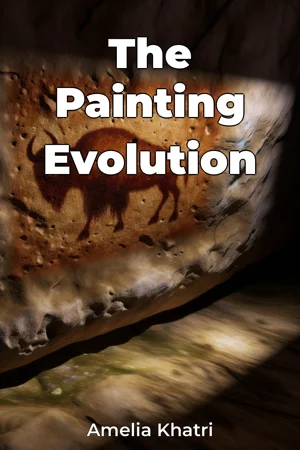
Have you ever wondered how the simple act of applying pigment to a surface transformed from crude depictions of bison on cave walls to the complex and often bewildering world of modern art? "The Painting Evolution" embarks on a journey through the history of painting, tracing its development from its prehistoric origins to its current digital manifestations. This journey will reveal not just the changing styles and techniques, but also the evolving role of art in reflecting and shaping human culture. This book explores three key pillars of painting's history: the evolution of artistic techniques, the shifting cultural contexts in which art was created, and the impact of technological advancements on artistic expression. Understanding these topics is crucial because painting, as one of humanity's oldest and most enduring art forms, offers invaluable insights into the history of human thought, societal values, and technological progress. "The Painting Evolution" examines how artistic techniques have evolved, influenced by factors such as the availability of materials, the prevailing aesthetic standards, and the changing patronage systems. We delve into the scientific understanding of pigments, binders, and supports, as well as the social and economic conditions that supported artists throughout history. The central argument of this book is that painting is not merely a reflection of its time, but an active participant in shaping cultural narratives and influencing societal change. We will explore how painting has been used to express religious beliefs, political ideologies, and personal emotions, demonstrating its power to persuade, inspire, and provoke. The book unfolds chronologically, beginning with an examination of prehistoric cave paintings and their possible functions. It then moves through the art of ancient civilizations, the development of techniques like fresco and tempera in the medieval period, the revolutionary changes brought about by the Renaissance and the invention of oil paint, and the subsequent movements of Baroque, Rococo, Neoclassicism, and Romanticism. The rise of Realism and Impressionism in the 19th century marks a turning point, leading to the radical experimentation of modern art, including movements such as Cubism, Surrealism, and Abstract Expressionism. Finally, the book explores the impact of digital technology on contemporary painting, examining how artists are using new tools and platforms to create art in the 21st century. The arguments presented in this book are supported by a wide range of evidence, including detailed analyses of artworks, historical documents, artists' writings, and scientific studies of materials and techniques. We will also draw upon recent archaeological discoveries and art historical research to provide a comprehensive and up-to-date account of painting's evolution. "The Painting Evolution" connects to other fields such as archaeology (for understanding prehistoric art), history (for contextualizing artistic movements within broader social and political trends), and materials science (for analyzing the physical properties of painting materials). These interdisciplinary connections enrich our understanding of painting and highlight its significance as a cultural artifact. This book offers a unique perspective by emphasizing the interplay between artistic innovation, cultural context, and technological change. It avoids a purely stylistic analysis, opting instead for a more holistic approach that considers the complex factors that have shaped the history of painting. The tone is informative and accessible, aiming to engage both art enthusiasts and general readers. While grounded in rigorous scholarship, the writing style avoids jargon and technical terms whenever possible, making the book accessible to a wide audience. The target audience includes art students, art historians, artists, and anyone interested in the history of visual culture. The book's broad scope and engaging narrative style will appeal to readers seeking a comprehensive and accessible introduction to the world of painting. As a work of non-fiction art history, "The Painting Evolution" adheres to the conventions of scholarly research and accurate presentation of facts. It provides a balanced and objective account of painting's history, acknowledging different perspectives and interpretations. While the book strives to be comprehensive, it acknowledges the limitations of any single volume. The focus is primarily on Western painting, with some attention given to non-Western traditions where they have significantly influenced the development of Western art. The insights gained from "The Painting Evolution" can be applied in a variety of practical ways. Artists can draw inspiration from the techniques and styles of past masters, while art historians can use the book's framework to analyze and interpret artworks. General readers can develop a deeper appreciation for the visual world and a greater understanding of the role of art in shaping human history. This book also touches upon some ongoing debates in the field of art history, such as the relative importance of individual genius versus cultural context, and the definition of art itself. By presenting different perspectives on these issues, "The Painting Evolution" encourages readers to think critically about the nature of art and its place in society.
Have you ever wondered how the simple act of applying pigment to a surface transformed from crude depictions of bison on cave walls to the complex and often bewildering world of modern art? "The Painting Evolution" embarks on a journey through the history of painting, tracing its development from its prehistoric origins to its current digital manifestations. This journey will reveal not just the changing styles and techniques, but also the evolving role of art in reflecting and shaping human culture. This book explores three key pillars of painting's history: the evolution of artistic techniques, the shifting cultural contexts in which art was created, and the impact of technological advancements on artistic expression. Understanding these topics is crucial because painting, as one of humanity's oldest and most enduring art forms, offers invaluable insights into the history of human thought, societal values, and technological progress. "The Painting Evolution" examines how artistic techniques have evolved, influenced by factors such as the availability of materials, the prevailing aesthetic standards, and the changing patronage systems. We delve into the scientific understanding of pigments, binders, and supports, as well as the social and economic conditions that supported artists throughout history. The central argument of this book is that painting is not merely a reflection of its time, but an active participant in shaping cultural narratives and influencing societal change. We will explore how painting has been used to express religious beliefs, political ideologies, and personal emotions, demonstrating its power to persuade, inspire, and provoke. The book unfolds chronologically, beginning with an examination of prehistoric cave paintings and their possible functions. It then moves through the art of ancient civilizations, the development of techniques like fresco and tempera in the medieval period, the revolutionary changes brought about by the Renaissance and the invention of oil paint, and the subsequent movements of Baroque, Rococo, Neoclassicism, and Romanticism. The rise of Realism and Impressionism in the 19th century marks a turning point, leading to the radical experimentation of modern art, including movements such as Cubism, Surrealism, and Abstract Expressionism. Finally, the book explores the impact of digital technology on contemporary painting, examining how artists are using new tools and platforms to create art in the 21st century. The arguments presented in this book are supported by a wide range of evidence, including detailed analyses of artworks, historical documents, artists' writings, and scientific studies of materials and techniques. We will also draw upon recent archaeological discoveries and art historical research to provide a comprehensive and up-to-date account of painting's evolution. "The Painting Evolution" connects to other fields such as archaeology (for understanding prehistoric art), history (for contextualizing artistic movements within broader social and political trends), and materials science (for analyzing the physical properties of painting materials). These interdisciplinary connections enrich our understanding of painting and highlight its significance as a cultural artifact. This book offers a unique perspective by emphasizing the interplay between artistic innovation, cultural context, and technological change. It avoids a purely stylistic analysis, opting instead for a more holistic approach that considers the complex factors that have shaped the history of painting. The tone is informative and accessible, aiming to engage both art enthusiasts and general readers. While grounded in rigorous scholarship, the writing style avoids jargon and technical terms whenever possible, making the book accessible to a wide audience. The target audience includes art students, art historians, artists, and anyone interested in the history of visual culture. The book's broad scope and engaging narrative style will appeal to readers seeking a comprehensive and accessible introduction to the world of painting. As a work of non-fiction art history, "The Painting Evolution" adheres to the conventions of scholarly research and accurate presentation of facts. It provides a balanced and objective account of painting's history, acknowledging different perspectives and interpretations. While the book strives to be comprehensive, it acknowledges the limitations of any single volume. The focus is primarily on Western painting, with some attention given to non-Western traditions where they have significantly influenced the development of Western art. The insights gained from "The Painting Evolution" can be applied in a variety of practical ways. Artists can draw inspiration from the techniques and styles of past masters, while art historians can use the book's framework to analyze and interpret artworks. General readers can develop a deeper appreciation for the visual world and a greater understanding of the role of art in shaping human history. This book also touches upon some ongoing debates in the field of art history, such as the relative importance of individual genius versus cultural context, and the definition of art itself. By presenting different perspectives on these issues, "The Painting Evolution" encourages readers to think critically about the nature of art and its place in society.
"The Painting Evolution" explores the long and fascinating journey of painting, from prehistoric cave paintings to modern digital art. It examines how artistic techniques, cultural contexts, and technological advancements have shaped this enduring art form. One intriguing insight is how the availability of materials, like the invention of oil paint during the Renaissance, drastically altered artistic possibilities and styles. Furthermore, the book highlights painting's role not just as a reflection of its time but as an active agent in shaping cultural narratives, expressing religious beliefs, and political ideologies. The book approaches its subject by considering the interplay of artistic innovation, cultural context, and technological change, moving chronologically from ancient civilizations through the art movements of the Baroque, Rococo, and beyond. It emphasizes the scientific understanding of pigments and the social conditions that supported artists. Readers will gain a deeper appreciation for how art has evolved alongside human history and technological progress, understanding the importance of cave paintings to digital painting.
Book Details
ISBN
9788233986780
Publisher
Publifye AS
Your Licenses
You don't own any licenses for this book
Purchase a license below to unlock this book and download the EPUB.
Purchase License
Select a tier to unlock this book
Need bulk licensing?
Contact us for enterprise agreements.