
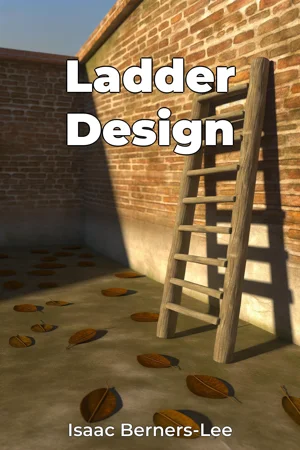
About This Book
Have you ever stopped to consider the ingenuity hidden within the seemingly simple design of a ladder? This book, *Ladder Design*, delves into the fascinating evolution of ladders, from their rudimentary origins as basic climbing aids to their sophisticated manifestations in modern architecture and industrial applications. This exploration of ladder design is more than just an engineering study; it is an examination of human innovation and adaptation. Our central argument is underpinned by the notion that ladder design reflects the technological and societal advancements of its time. The book traces the development of ladders across centuries, showcasing how their form and function have been shaped by changing materials, manufacturing techniques, and safety standards. We highlight two key aspects: the structural integrity of the ladder related to material science and the ergonomic considerations essential for user safety. We also address the impact of architectural trends on ladder integration within buildings, moving from purely functional elements to design features. To provide context, the book first explores the historical backdrop of ladder development, starting with early examples in ancient civilizations. This historical perspective is crucial for understanding the challenges faced by early designers and the limitations of available materials. We then transition into an examination of the underlying principles of structural mechanics and material science that govern ladder design, requiring a basic understanding of physics and engineering concepts. The book is structured to provide a comprehensive overview of ladder design. It begins with an introduction to the fundamental principles of ladder construction and material properties. The core of the book is divided into three major sections. The first examines the evolution of ladder materials, from wood and rope to aluminum, steel, and composite materials. This section details the benefits and limitations of each material, as well as their impact on ladder design. The second focuses on different ladder types, including straight ladders, step ladders, extension ladders, and specialized designs for industrial and architectural use. Each type is analyzed in terms of its unique design features, intended applications, and safety considerations. The third addresses ergonomic factors, safety regulations, and the standardization of ladder design. Topics such as slip resistance, load capacity, and fall protection are covered. Finally, the book culminates with a discussion of emerging trends in ladder design, such as the integration of smart technology and the development of sustainable materials. The arguments presented are supported by extensive research, including historical records, engineering data, case studies of innovative ladder designs, and analysis of relevant safety standards. We include unique data collected from field studies and laboratory testing of various ladder types. *Ladder Design* also connects to several related fields. The book examines the relationship between architecture and ladder design, showing how ladders are integrated into building structures and aesthetics. It also explores the connection to occupational safety and health, discussing the regulations and best practices that govern ladder use in the workplace. There is a link to material science, with an overview of the research into new alloys and composites that are used in ladder manufacturing. Our perspective takes a holistic view of ladder design, considering not only its functional aspects but also its historical, social, and environmental implications. The book is written in a professional style. It is aimed at architects, engineers, construction professionals, and anyone interested in the design and safety of ladders. Architects will find information to help with the integration of ladder design within buildings, while safety engineers can take value from detailed regulations and standards. The scope of the book covers a wide range of ladder types and materials but focuses primarily on designs used in construction, industrial, and architectural contexts. Designs used in specialized sectors will be addressed only briefly. The information in the book can be applied practically by readers in a variety of ways. Architects and designers can use the knowledge to design safer and more aesthetically pleasing structures. Construction professionals can use the information to select the appropriate ladders for specific tasks and to ensure compliance with safety regulations. Anyone who uses a ladder can benefit from a better understanding of ladder safety and best practices. Furthermore, the book addresses ongoing debates in the field, such as the relative merits of different ladder materials and the effectiveness of various safety regulations.
Have you ever stopped to consider the ingenuity hidden within the seemingly simple design of a ladder? This book, *Ladder Design*, delves into the fascinating evolution of ladders, from their rudimentary origins as basic climbing aids to their sophisticated manifestations in modern architecture and industrial applications. This exploration of ladder design is more than just an engineering study; it is an examination of human innovation and adaptation. Our central argument is underpinned by the notion that ladder design reflects the technological and societal advancements of its time. The book traces the development of ladders across centuries, showcasing how their form and function have been shaped by changing materials, manufacturing techniques, and safety standards. We highlight two key aspects: the structural integrity of the ladder related to material science and the ergonomic considerations essential for user safety. We also address the impact of architectural trends on ladder integration within buildings, moving from purely functional elements to design features. To provide context, the book first explores the historical backdrop of ladder development, starting with early examples in ancient civilizations. This historical perspective is crucial for understanding the challenges faced by early designers and the limitations of available materials. We then transition into an examination of the underlying principles of structural mechanics and material science that govern ladder design, requiring a basic understanding of physics and engineering concepts. The book is structured to provide a comprehensive overview of ladder design. It begins with an introduction to the fundamental principles of ladder construction and material properties. The core of the book is divided into three major sections. The first examines the evolution of ladder materials, from wood and rope to aluminum, steel, and composite materials. This section details the benefits and limitations of each material, as well as their impact on ladder design. The second focuses on different ladder types, including straight ladders, step ladders, extension ladders, and specialized designs for industrial and architectural use. Each type is analyzed in terms of its unique design features, intended applications, and safety considerations. The third addresses ergonomic factors, safety regulations, and the standardization of ladder design. Topics such as slip resistance, load capacity, and fall protection are covered. Finally, the book culminates with a discussion of emerging trends in ladder design, such as the integration of smart technology and the development of sustainable materials. The arguments presented are supported by extensive research, including historical records, engineering data, case studies of innovative ladder designs, and analysis of relevant safety standards. We include unique data collected from field studies and laboratory testing of various ladder types. *Ladder Design* also connects to several related fields. The book examines the relationship between architecture and ladder design, showing how ladders are integrated into building structures and aesthetics. It also explores the connection to occupational safety and health, discussing the regulations and best practices that govern ladder use in the workplace. There is a link to material science, with an overview of the research into new alloys and composites that are used in ladder manufacturing. Our perspective takes a holistic view of ladder design, considering not only its functional aspects but also its historical, social, and environmental implications. The book is written in a professional style. It is aimed at architects, engineers, construction professionals, and anyone interested in the design and safety of ladders. Architects will find information to help with the integration of ladder design within buildings, while safety engineers can take value from detailed regulations and standards. The scope of the book covers a wide range of ladder types and materials but focuses primarily on designs used in construction, industrial, and architectural contexts. Designs used in specialized sectors will be addressed only briefly. The information in the book can be applied practically by readers in a variety of ways. Architects and designers can use the knowledge to design safer and more aesthetically pleasing structures. Construction professionals can use the information to select the appropriate ladders for specific tasks and to ensure compliance with safety regulations. Anyone who uses a ladder can benefit from a better understanding of ladder safety and best practices. Furthermore, the book addresses ongoing debates in the field, such as the relative merits of different ladder materials and the effectiveness of various safety regulations.
"Ladder Design" explores the evolution and multifaceted nature of ladders, revealing their design as a reflection of technological and societal progress. It moves beyond simple functionality to reveal how ladders are integrated into architecture, influenced by material advancements, and shaped by safety considerations. The book emphasizes how structural integrity, deeply rooted in material science, and ergonomic considerations are paramount for user safety. The book traces the journey of ladders from ancient climbing aids to modern marvels of engineering, highlighting the impact of architectural trends on ladder integration within buildings. The narrative progresses by first exploring the historical context of ladder development, then delving into the core principles of structural mechanics and material science. It then transitions into a comprehensive overview of materials, ladder types, and ergonomic factors, culminating in a discussion of emerging trends and debates in the field.
Book Details
ISBN
9788233986735
Publisher
Publifye AS
Your Licenses
You don't own any licenses for this book
Purchase a license below to unlock this book and download the EPUB.
Purchase License
Select a tier to unlock this book
Need bulk licensing?
Contact us for enterprise agreements.