
About This Book
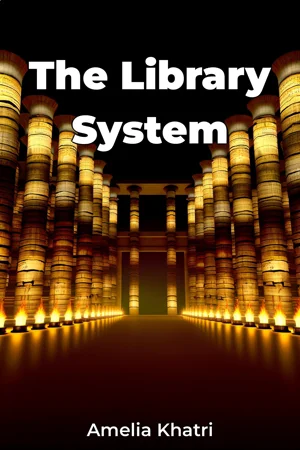
Have you ever considered the incredible journey of the library, from its humble beginnings as a repository for clay tablets to its current status as a global network of digital information? This book, "The Library System," explores this fascinating evolution, examining the historical, technological, and social forces that have shaped these vital institutions. We delve into the heart of what makes a library more than just a building filled with books – its role as a dynamic center for knowledge dissemination, community engagement, and the preservation of culture. This book focuses on three main threads: the historical progression of libraries across civilizations, the impact of technological advancements on library functions and accessibility, and the evolving role of libraries in serving diverse communities in the 21st century. The importance of these topics lies in understanding how access to information, curated and preserved by libraries, has consistently fueled societal progress and individual empowerment. Examining the past provides crucial insights into the present challenges and future opportunities facing libraries worldwide. To fully appreciate the modern library system, we must first understand its origins. We start by exploring ancient libraries, from the clay tablet archives of Mesopotamia to the famed Library of Alexandria, highlighting their significance as centers of learning and cultural preservation. The narrative then moves through the medieval scriptoria and monastic libraries to the rise of public libraries in the Enlightenment era and their subsequent expansion throughout the 19th and 20th centuries. "The Library System" argues that the library, throughout its history, has not simply been a storehouse of information, but a proactive agent in shaping intellectual discourse and promoting democratic values. It contends that the library's ability to adapt to technological and social change is crucial for its continued relevance in an increasingly digital world. The book begins by defining the core concept of the library—a curated collection of information resources organized for access and preservation—and tracing its early manifestations. It then proceeds to examine the impact of key technological innovations, such as the printing press, microphotography, and the internet, on library operations and services. Major sections are dedicated to cataloging systems, methods of information retrieval, and the rise of digital libraries. Furthermore, it explores the shift from physical collections to digital resources, addressing issues of copyright, accessibility, and digital preservation. The book culminates by examining contemporary library systems, their diverse roles in communities, and the challenges they face in an era of rapid technological change and evolving user needs. We will also look at how libraries address the digital divide as well as combat misinformation. The arguments presented are supported by a wide range of historical documents, statistical data, case studies of individual libraries, and analysis of current trends in library science. The research draws upon primary sources, including archival records and library collections, as well as secondary scholarship in history, library science, and information technology. "The Library System" connects to fields such as history, computer science, and sociology. The historical analysis provides context for understanding the evolution of information access; computer science informs the discussion of digital library technologies, and sociology illuminates the library's role in shaping community identity and social equity. This book offers an accessible and comprehensive overview of the library system, blending historical narrative with contemporary analysis. It is written in a clear, engaging style suitable for a broad audience. The intended readership includes library science students, historians, educators, policymakers, and anyone interested in the history and future of information access. It will be valuable to students seeking a comprehensive overview of library history and to professionals looking for insights into current trends and challenges. As a history and technology book, it aligns with the genre's conventions of presenting well-researched factual information in a structured and engaging manner. It offers a comprehensive yet concise overview of the evolution of libraries, focusing on key developments and trends while acknowledging the limitations of covering such a vast topic. The information presented can be applied practically by library professionals seeking to understand the historical context of their work and by policymakers seeking to make informed decisions about library funding and development. The book also touches upon the ongoing debates surrounding copyright law, intellectual freedom, and the role of libraries in promoting digital literacy.
Have you ever considered the incredible journey of the library, from its humble beginnings as a repository for clay tablets to its current status as a global network of digital information? This book, "The Library System," explores this fascinating evolution, examining the historical, technological, and social forces that have shaped these vital institutions. We delve into the heart of what makes a library more than just a building filled with books – its role as a dynamic center for knowledge dissemination, community engagement, and the preservation of culture. This book focuses on three main threads: the historical progression of libraries across civilizations, the impact of technological advancements on library functions and accessibility, and the evolving role of libraries in serving diverse communities in the 21st century. The importance of these topics lies in understanding how access to information, curated and preserved by libraries, has consistently fueled societal progress and individual empowerment. Examining the past provides crucial insights into the present challenges and future opportunities facing libraries worldwide. To fully appreciate the modern library system, we must first understand its origins. We start by exploring ancient libraries, from the clay tablet archives of Mesopotamia to the famed Library of Alexandria, highlighting their significance as centers of learning and cultural preservation. The narrative then moves through the medieval scriptoria and monastic libraries to the rise of public libraries in the Enlightenment era and their subsequent expansion throughout the 19th and 20th centuries. "The Library System" argues that the library, throughout its history, has not simply been a storehouse of information, but a proactive agent in shaping intellectual discourse and promoting democratic values. It contends that the library's ability to adapt to technological and social change is crucial for its continued relevance in an increasingly digital world. The book begins by defining the core concept of the library—a curated collection of information resources organized for access and preservation—and tracing its early manifestations. It then proceeds to examine the impact of key technological innovations, such as the printing press, microphotography, and the internet, on library operations and services. Major sections are dedicated to cataloging systems, methods of information retrieval, and the rise of digital libraries. Furthermore, it explores the shift from physical collections to digital resources, addressing issues of copyright, accessibility, and digital preservation. The book culminates by examining contemporary library systems, their diverse roles in communities, and the challenges they face in an era of rapid technological change and evolving user needs. We will also look at how libraries address the digital divide as well as combat misinformation. The arguments presented are supported by a wide range of historical documents, statistical data, case studies of individual libraries, and analysis of current trends in library science. The research draws upon primary sources, including archival records and library collections, as well as secondary scholarship in history, library science, and information technology. "The Library System" connects to fields such as history, computer science, and sociology. The historical analysis provides context for understanding the evolution of information access; computer science informs the discussion of digital library technologies, and sociology illuminates the library's role in shaping community identity and social equity. This book offers an accessible and comprehensive overview of the library system, blending historical narrative with contemporary analysis. It is written in a clear, engaging style suitable for a broad audience. The intended readership includes library science students, historians, educators, policymakers, and anyone interested in the history and future of information access. It will be valuable to students seeking a comprehensive overview of library history and to professionals looking for insights into current trends and challenges. As a history and technology book, it aligns with the genre's conventions of presenting well-researched factual information in a structured and engaging manner. It offers a comprehensive yet concise overview of the evolution of libraries, focusing on key developments and trends while acknowledging the limitations of covering such a vast topic. The information presented can be applied practically by library professionals seeking to understand the historical context of their work and by policymakers seeking to make informed decisions about library funding and development. The book also touches upon the ongoing debates surrounding copyright law, intellectual freedom, and the role of libraries in promoting digital literacy.
"The Library System" explores the fascinating journey of libraries, from ancient clay tablet repositories to today's global digital networks. It examines how historical events, technological advancements, and social forces have shaped these institutions. The book argues that libraries are not simply storehouses of information but active agents in shaping intellectual discourse and promoting democratic values and highlights their crucial role in knowledge dissemination, community engagement, and cultural preservation. The book traces the evolution of libraries across civilizations, starting with ancient libraries like the Library of Alexandria and progressing through medieval scriptoria to the rise of public libraries. It focuses on the impact of key technologies, such as the printing press and the internet, on cataloging systems, information retrieval, and the emergence of digital libraries. "The Library System" also addresses contemporary challenges like copyright, accessibility, the digital divide, and digital preservation, offering a comprehensive overview of the evolution of the library system. The book is structured chronologically, beginning with the origins of libraries and culminating in an examination of contemporary library systems and their diverse roles in communities. It blends historical narrative with contemporary analysis, making it accessible to a broad audience, including library science students, historians, educators, and policymakers. It emphasizes the library's ability to adapt to technological and social change, highlighting its continued relevance in an increasingly digital world and how libraries combat misinformation.
Book Details
ISBN
9788233986599
Publisher
Publifye AS
Your Licenses
You don't own any licenses for this book
Purchase a license below to unlock this book and download the EPUB.
Purchase License
Select a tier to unlock this book
Need bulk licensing?
Contact us for enterprise agreements.