
About This Book
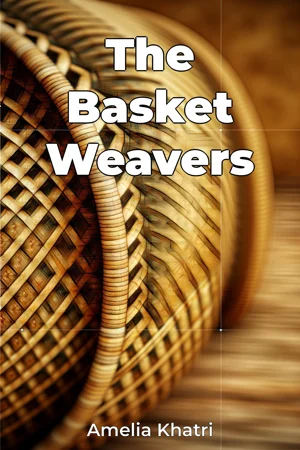
Have you ever considered the story woven into the very fabric of a basket? "The Basket Weavers" unveils the rich and often overlooked history of basket weaving, tracing its evolution from its utilitarian origins to its status as a respected art form across diverse cultures. This book explores how the humble basket reflects human ingenuity, environmental adaptation, and cultural expression throughout millennia. The key topics include the historical development of basket weaving techniques, the diverse materials used in different regions, and the cultural significance of baskets within various societies. These topics are crucial because they reveal how a seemingly simple craft has been instrumental in shaping human civilization, reflecting ecological knowledge, trade networks, and artistic sensibilities. Basket weaving, one of humanity’s oldest crafts, predates pottery in many cultures. Our journey begins with the earliest evidence of woven containers and mats, examining archaeological findings from around the globe. We will explore how early humans utilized readily available natural materials, adapting their techniques to suit the climate and resources of their regions. The central argument of "The Basket Weavers" is that basket weaving provides a unique lens through which to understand the interconnectedness of human culture, technology, and the environment. This argument is vital because it challenges the perception of basket weaving as a mere craft, elevating it to a significant form of cultural heritage and technological innovation. The book is structured to provide a comprehensive overview of the subject. First, we introduce the fundamental techniques and materials, establishing a base understanding of the craft. The book then delves into specific regional traditions, such as the intricate coiled baskets of Native American tribes, the bamboo weaving of East Asia, and the willow work of Europe. Each regional study will examine the environmental context, the historical development of specific styles, and the cultural significance of baskets within that community. A core element of the book is its focus on the social and economic roles of basket weavers, exploring how this craft has provided livelihoods and supported communities across the globe. Finally, it explores the modern resurgence of basket weaving as both a craft and an art form, as well as the preservation of indigenous techniques. "The Basket Weavers" draws upon a wide range of primary and secondary sources, including archaeological reports, ethnographic studies, historical documents, and interviews with contemporary basket weavers. Unique data sources include collections of antique baskets from museums around the world, providing visual documentation of stylistic changes and the evolution of techniques. The book connects to fields like anthropology, environmental studies, and art history. Anthropologically, basket weaving offers insights into cultural practices and social structures. Environmentally, the book highlights the sustainable use of natural resources and the impact of environmental change on weaving traditions. From an art history perspective, it examines the aesthetic qualities of baskets and their role in cultural expression. "The Basket Weavers" differentiates itself by taking a global perspective, integrating the stories of diverse communities and highlighting the convergence and divergence of techniques and styles. The book maintains a professional yet accessible tone, aiming to engage both academic researchers and general readers with an interest in crafts, history, and culture. The intended audience includes craft enthusiasts, historians, anthropologists, and anyone interested in learning about the rich cultural heritage embedded in everyday objects. As a book in the genre of Crafts & Hobbies and History, it explains techniques and provides historical context, making the subject both informative and accessible. The scope of the book covers a broad historical span, from prehistoric times to the present day, but deliberately limits its focus to hand-woven baskets, excluding industrial production methods. The information in "The Basket Weavers" can be applied practically by readers interested in learning basic basket weaving techniques or understanding the cultural significance of baskets they may encounter in their travels or collections. While not explicitly addressing major controversies, the book acknowledges debates surrounding cultural appropriation and the preservation of indigenous weaving traditions, aiming to promote respect for cultural heritage.
Have you ever considered the story woven into the very fabric of a basket? "The Basket Weavers" unveils the rich and often overlooked history of basket weaving, tracing its evolution from its utilitarian origins to its status as a respected art form across diverse cultures. This book explores how the humble basket reflects human ingenuity, environmental adaptation, and cultural expression throughout millennia. The key topics include the historical development of basket weaving techniques, the diverse materials used in different regions, and the cultural significance of baskets within various societies. These topics are crucial because they reveal how a seemingly simple craft has been instrumental in shaping human civilization, reflecting ecological knowledge, trade networks, and artistic sensibilities. Basket weaving, one of humanity’s oldest crafts, predates pottery in many cultures. Our journey begins with the earliest evidence of woven containers and mats, examining archaeological findings from around the globe. We will explore how early humans utilized readily available natural materials, adapting their techniques to suit the climate and resources of their regions. The central argument of "The Basket Weavers" is that basket weaving provides a unique lens through which to understand the interconnectedness of human culture, technology, and the environment. This argument is vital because it challenges the perception of basket weaving as a mere craft, elevating it to a significant form of cultural heritage and technological innovation. The book is structured to provide a comprehensive overview of the subject. First, we introduce the fundamental techniques and materials, establishing a base understanding of the craft. The book then delves into specific regional traditions, such as the intricate coiled baskets of Native American tribes, the bamboo weaving of East Asia, and the willow work of Europe. Each regional study will examine the environmental context, the historical development of specific styles, and the cultural significance of baskets within that community. A core element of the book is its focus on the social and economic roles of basket weavers, exploring how this craft has provided livelihoods and supported communities across the globe. Finally, it explores the modern resurgence of basket weaving as both a craft and an art form, as well as the preservation of indigenous techniques. "The Basket Weavers" draws upon a wide range of primary and secondary sources, including archaeological reports, ethnographic studies, historical documents, and interviews with contemporary basket weavers. Unique data sources include collections of antique baskets from museums around the world, providing visual documentation of stylistic changes and the evolution of techniques. The book connects to fields like anthropology, environmental studies, and art history. Anthropologically, basket weaving offers insights into cultural practices and social structures. Environmentally, the book highlights the sustainable use of natural resources and the impact of environmental change on weaving traditions. From an art history perspective, it examines the aesthetic qualities of baskets and their role in cultural expression. "The Basket Weavers" differentiates itself by taking a global perspective, integrating the stories of diverse communities and highlighting the convergence and divergence of techniques and styles. The book maintains a professional yet accessible tone, aiming to engage both academic researchers and general readers with an interest in crafts, history, and culture. The intended audience includes craft enthusiasts, historians, anthropologists, and anyone interested in learning about the rich cultural heritage embedded in everyday objects. As a book in the genre of Crafts & Hobbies and History, it explains techniques and provides historical context, making the subject both informative and accessible. The scope of the book covers a broad historical span, from prehistoric times to the present day, but deliberately limits its focus to hand-woven baskets, excluding industrial production methods. The information in "The Basket Weavers" can be applied practically by readers interested in learning basic basket weaving techniques or understanding the cultural significance of baskets they may encounter in their travels or collections. While not explicitly addressing major controversies, the book acknowledges debates surrounding cultural appropriation and the preservation of indigenous weaving traditions, aiming to promote respect for cultural heritage.
"The Basket Weavers" explores the comprehensive history of basket weaving, highlighting its evolution from functional necessity to a significant art form across various cultures. The book argues that basket weaving offers a unique perspective on the link between human culture, technology, and the environment. Interestingly, basket weaving predates pottery in many societies, demonstrating its early importance. The book also showcases how different cultures adapted readily available natural resources to suit their regional climates and needs. The book begins by introducing fundamental techniques and materials, progressing to specific regional traditions like Native American coiling, East Asian bamboo weaving, and European willow work. Each regional study examines the environmental context, historical development, and cultural significance of basketry. By focusing on the social and economic roles of basket weavers, the book emphasizes how this craft has historically supported communities worldwide and continues to evolve as a contemporary art form.
Book Details
ISBN
9788233986575
Publisher
Publifye AS
Your Licenses
You don't own any licenses for this book
Purchase a license below to unlock this book and download the EPUB.
Purchase License
Select a tier to unlock this book
Need bulk licensing?
Contact us for enterprise agreements.