
About This Book
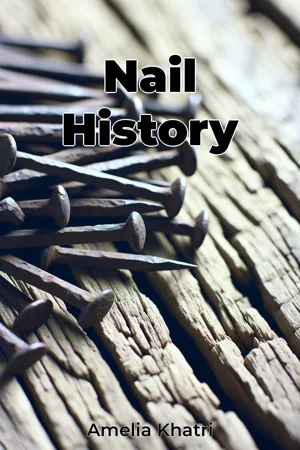
Have you ever considered how something as simple as a nail could shape the world around us? "Nail History" delves into the surprisingly profound influence of nails on construction, architecture, and societal development throughout history. This book examines not only the evolution of nail manufacturing and materials but also the crucial role nails have played in defining architectural styles, engineering feats, and the very fabric of our built environment. We will explore the technological advancements that led from hand-forged iron nails to mass-produced steel fasteners and how these changes revolutionized construction speed, structural integrity, and design possibilities. This book is important because it reveals the often-overlooked contribution of a fundamental building component. Understanding the history of nails provides insight into the evolution of construction techniques, the economics of building, and the cultural values embedded within architecture. Furthermore, the study of nail production intersects with broader themes of industrialization, trade, and technological progress. "Nail History" is structured to provide a comprehensive and engaging journey through time. It begins by establishing the historical context of early construction methods, the limitations imposed by rudimentary fastening systems, and the societal factors driving the need for better solutions. We then move into the development of hand-forged nails, exploring the blacksmith's craft and the economic systems that supported nail production in various cultures. The advent of mechanized nail production marks a pivotal point, and the book thoroughly examines the impact of machines on nail quality, cost, and availability. This section includes detailed analysis of the materials used throughout history, from bronze and iron to steel and specialized alloys, explaining how material science influenced nail design and performance. Central to the book's argument is the idea that the seemingly insignificant nail has acted as a catalyst for architectural innovation. It will be shown that the availability and quality of nails directly influenced the scale, complexity, and durability of buildings. We support this argument with extensive historical research, examining archaeological evidence, architectural plans, trade records, and technological patents. Special attention is given to analyzing nails found in historical structures to determine their age, origin, and manufacturing techniques. Data from museum collections and historical societies is also incorporated to provide a comprehensive picture of nail production and use across different regions and time periods. The book explores the interdisciplinary connections between nail history, material science, architectural history, and economic history. By incorporating insights from these diverse fields, "Nail History" hopes to illuminate the complex interplay between technological innovation, economic forces, and artistic expression in the built environment. Its unique perspective lies in its dedicated focus on the nail as a primary lens through which to understand broader historical trends in construction and society. Written in a factual style, "Nail History" is aimed at architecture enthusiasts, historians, archaeologists, and anyone curious about the hidden stories behind the structures that surround us. While scholarly rigor is maintained, the book is written to be accessible to a broad audience with a general interest in history and technology. The scope of the book is intentionally broad, covering the history of nails from ancient times to the modern era. However, the book primarily focuses on nail usage and manufacturing techniques in Europe and North America, acknowledging that the history of nails in other regions may warrant further dedicated research. The information presented in this book has real-world applications for historical preservation, restoration projects, and even modern construction. By understanding the types of nails used in different periods, restorers can make informed decisions about preserving historical structures. Furthermore, an understanding of nail materials and manufacturing processes can inform the selection of appropriate fasteners for new construction projects, ensuring both structural integrity and aesthetic compatibility. While "Nail History" strives to present a comprehensive account, it acknowledges that there are ongoing debates regarding the precise dating of certain nail types and the attribution of specific nails to particular manufacturers. These debates are explored with recognition of the complexity and nuanced nature of historical research.
Have you ever considered how something as simple as a nail could shape the world around us? "Nail History" delves into the surprisingly profound influence of nails on construction, architecture, and societal development throughout history. This book examines not only the evolution of nail manufacturing and materials but also the crucial role nails have played in defining architectural styles, engineering feats, and the very fabric of our built environment. We will explore the technological advancements that led from hand-forged iron nails to mass-produced steel fasteners and how these changes revolutionized construction speed, structural integrity, and design possibilities. This book is important because it reveals the often-overlooked contribution of a fundamental building component. Understanding the history of nails provides insight into the evolution of construction techniques, the economics of building, and the cultural values embedded within architecture. Furthermore, the study of nail production intersects with broader themes of industrialization, trade, and technological progress. "Nail History" is structured to provide a comprehensive and engaging journey through time. It begins by establishing the historical context of early construction methods, the limitations imposed by rudimentary fastening systems, and the societal factors driving the need for better solutions. We then move into the development of hand-forged nails, exploring the blacksmith's craft and the economic systems that supported nail production in various cultures. The advent of mechanized nail production marks a pivotal point, and the book thoroughly examines the impact of machines on nail quality, cost, and availability. This section includes detailed analysis of the materials used throughout history, from bronze and iron to steel and specialized alloys, explaining how material science influenced nail design and performance. Central to the book's argument is the idea that the seemingly insignificant nail has acted as a catalyst for architectural innovation. It will be shown that the availability and quality of nails directly influenced the scale, complexity, and durability of buildings. We support this argument with extensive historical research, examining archaeological evidence, architectural plans, trade records, and technological patents. Special attention is given to analyzing nails found in historical structures to determine their age, origin, and manufacturing techniques. Data from museum collections and historical societies is also incorporated to provide a comprehensive picture of nail production and use across different regions and time periods. The book explores the interdisciplinary connections between nail history, material science, architectural history, and economic history. By incorporating insights from these diverse fields, "Nail History" hopes to illuminate the complex interplay between technological innovation, economic forces, and artistic expression in the built environment. Its unique perspective lies in its dedicated focus on the nail as a primary lens through which to understand broader historical trends in construction and society. Written in a factual style, "Nail History" is aimed at architecture enthusiasts, historians, archaeologists, and anyone curious about the hidden stories behind the structures that surround us. While scholarly rigor is maintained, the book is written to be accessible to a broad audience with a general interest in history and technology. The scope of the book is intentionally broad, covering the history of nails from ancient times to the modern era. However, the book primarily focuses on nail usage and manufacturing techniques in Europe and North America, acknowledging that the history of nails in other regions may warrant further dedicated research. The information presented in this book has real-world applications for historical preservation, restoration projects, and even modern construction. By understanding the types of nails used in different periods, restorers can make informed decisions about preserving historical structures. Furthermore, an understanding of nail materials and manufacturing processes can inform the selection of appropriate fasteners for new construction projects, ensuring both structural integrity and aesthetic compatibility. While "Nail History" strives to present a comprehensive account, it acknowledges that there are ongoing debates regarding the precise dating of certain nail types and the attribution of specific nails to particular manufacturers. These debates are explored with recognition of the complexity and nuanced nature of historical research.
"Nail History" explores the surprisingly significant role of nails in shaping architecture and construction history. It examines how these humble fasteners have influenced building techniques, architectural styles, and even the pace of societal development. The book reveals fascinating insights, such as how the shift from hand-forged iron nails to mass-produced steel nails revolutionized construction speed and allowed for more complex designs. Another intriguing aspect is the connection between nail production, industrialization, and trade, showing how a simple object can reflect broader economic and technological trends. This book uniquely focuses on nails as a lens through which to understand historical trends in construction and society. It begins by outlining early construction methods and the limitations of rudimentary fastening systems. The book then progresses through the development of hand-forged nails, the impact of mechanized production, and the evolution of nail materials. By analyzing archaeological findings, architectural plans, and historical records, "Nail History" demonstrates how nail availability and quality directly influenced the scale and durability of buildings, making it a valuable resource for anyone interested in architectural history, archaeology, or material science.
Book Details
ISBN
9788233986537
Publisher
Publifye AS
Your Licenses
You don't own any licenses for this book
Purchase a license below to unlock this book and download the EPUB.
Purchase License
Select a tier to unlock this book
Need bulk licensing?
Contact us for enterprise agreements.