
About This Book
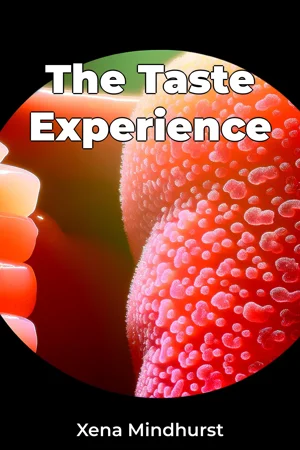
Have you ever wondered why a bite of chocolate brings unparalleled joy, while a bitter medicine elicits an involuntary grimace? "The Taste Experience" delves into the fascinating world of gustation, exploring the intricate mechanisms behind our perception of flavor and its profound impact on our lives. This book embarks on a comprehensive journey through the science of taste, examining how taste buds act as sophisticated detectors, how the brain orchestrates complex flavor profiles, and why the same food can evoke vastly different responses in different individuals. This exploration is relevant because taste is not merely a passive sensory experience; it's a fundamental aspect of our survival, shaping our food choices, influencing our health, and contributing significantly to our overall well-being. Understanding the science of taste empowers us to make informed dietary decisions, appreciate the artistry of culinary creations, and potentially even address taste-related disorders. We will begin by laying the groundwork with a review of the basic anatomy and physiology of the gustatory system. We will trace the journey of a tastant molecule, from its initial contact with taste receptor cells on the tongue and palate to the transmission of neural signals to the brain. We will illuminate the roles of the five basic tastes – sweet, sour, salty, bitter, and umami – and how they are detected by specialized receptor proteins. The core of the book will then delve into the complexities of taste perception in the brain. We will examine the neural pathways involved in processing taste information, highlighting the roles of the thalamus, insular cortex, and orbitofrontal cortex. We will discuss how these brain regions integrate taste signals with other sensory information, such as smell, texture, and temperature, to create the holistic experience of flavor. The book will also address the significant influence of genetics, culture, and personal experience on taste preferences. We will explore the genetic variations that make some individuals "supertasters," more sensitive to certain bitter compounds, while others are less perceptive. We will also examine how cultural norms and learned associations shape our food choices and contribute to the diversity of culinary traditions around the world. Evidence will be drawn from a wide range of scientific disciplines, including sensory biology, neuroscience, psychology, and food science. We will present data from human behavioral studies, neuroimaging experiments, and genetic analyses to support our arguments. This includes exploring research utilizing psychophysical scaling methods to quantify the intensity of different tastes and electrophysiological recordings to measure the activity of taste neurons. "The Taste Experience" connects to numerous interdisciplinary areas, including nutrition, medicine, and gastronomy. The knowledge gained from understanding taste can inform dietary recommendations for managing obesity, diabetes, and other health conditions. Moreover, it can enhance our appreciation of the artistry and science of cooking. This book uniquely combines scientific rigor with accessible language, making it suitable for a broad readership. The writing style will be authoritative yet engaging, avoiding technical jargon and using real-world examples to illustrate complex concepts. The primary audience includes students of biology, psychology, and food science, as well as food enthusiasts, chefs, and anyone curious about the science behind their eating experiences. This book distinguishes itself by providing a complete, updated overview of the field, with a focus on drawing practical implications from complex research findings. While the book aims to provide a comprehensive overview, it will intentionally limit its scope to the basic mechanisms of taste perception and their impact on human behavior. It will not delve into the cellular and molecular underpinnings of taste receptor signaling in exhaustive detail. The principles discussed in this book have broad real-world applicability. By understanding the factors that influence taste preferences, individuals can cultivate healthier eating habits, appreciate the diversity of global cuisines, and potentially overcome taste aversions or dysfunctions. The book also touches on ongoing debates, such as the potential role of other taste qualities besides the basic five, and the neural mechanisms underlying the integration of taste and smell. By presenting different perspectives and highlighting areas of active research, "The Taste Experience" aims to stimulate further inquiry and contribute to the advancement of our knowledge of taste.
Have you ever wondered why a bite of chocolate brings unparalleled joy, while a bitter medicine elicits an involuntary grimace? "The Taste Experience" delves into the fascinating world of gustation, exploring the intricate mechanisms behind our perception of flavor and its profound impact on our lives. This book embarks on a comprehensive journey through the science of taste, examining how taste buds act as sophisticated detectors, how the brain orchestrates complex flavor profiles, and why the same food can evoke vastly different responses in different individuals. This exploration is relevant because taste is not merely a passive sensory experience; it's a fundamental aspect of our survival, shaping our food choices, influencing our health, and contributing significantly to our overall well-being. Understanding the science of taste empowers us to make informed dietary decisions, appreciate the artistry of culinary creations, and potentially even address taste-related disorders. We will begin by laying the groundwork with a review of the basic anatomy and physiology of the gustatory system. We will trace the journey of a tastant molecule, from its initial contact with taste receptor cells on the tongue and palate to the transmission of neural signals to the brain. We will illuminate the roles of the five basic tastes – sweet, sour, salty, bitter, and umami – and how they are detected by specialized receptor proteins. The core of the book will then delve into the complexities of taste perception in the brain. We will examine the neural pathways involved in processing taste information, highlighting the roles of the thalamus, insular cortex, and orbitofrontal cortex. We will discuss how these brain regions integrate taste signals with other sensory information, such as smell, texture, and temperature, to create the holistic experience of flavor. The book will also address the significant influence of genetics, culture, and personal experience on taste preferences. We will explore the genetic variations that make some individuals "supertasters," more sensitive to certain bitter compounds, while others are less perceptive. We will also examine how cultural norms and learned associations shape our food choices and contribute to the diversity of culinary traditions around the world. Evidence will be drawn from a wide range of scientific disciplines, including sensory biology, neuroscience, psychology, and food science. We will present data from human behavioral studies, neuroimaging experiments, and genetic analyses to support our arguments. This includes exploring research utilizing psychophysical scaling methods to quantify the intensity of different tastes and electrophysiological recordings to measure the activity of taste neurons. "The Taste Experience" connects to numerous interdisciplinary areas, including nutrition, medicine, and gastronomy. The knowledge gained from understanding taste can inform dietary recommendations for managing obesity, diabetes, and other health conditions. Moreover, it can enhance our appreciation of the artistry and science of cooking. This book uniquely combines scientific rigor with accessible language, making it suitable for a broad readership. The writing style will be authoritative yet engaging, avoiding technical jargon and using real-world examples to illustrate complex concepts. The primary audience includes students of biology, psychology, and food science, as well as food enthusiasts, chefs, and anyone curious about the science behind their eating experiences. This book distinguishes itself by providing a complete, updated overview of the field, with a focus on drawing practical implications from complex research findings. While the book aims to provide a comprehensive overview, it will intentionally limit its scope to the basic mechanisms of taste perception and their impact on human behavior. It will not delve into the cellular and molecular underpinnings of taste receptor signaling in exhaustive detail. The principles discussed in this book have broad real-world applicability. By understanding the factors that influence taste preferences, individuals can cultivate healthier eating habits, appreciate the diversity of global cuisines, and potentially overcome taste aversions or dysfunctions. The book also touches on ongoing debates, such as the potential role of other taste qualities besides the basic five, and the neural mechanisms underlying the integration of taste and smell. By presenting different perspectives and highlighting areas of active research, "The Taste Experience" aims to stimulate further inquiry and contribute to the advancement of our knowledge of taste.
"The Taste Experience" explores the fascinating science behind how we perceive flavor, impacting our food choices, health, and overall well-being. It delves into how taste buds function as detectors, transmitting signals to the brain to create complex flavor profiles. Interestingly, genetics play a role, leading to "supertasters" who are more sensitive to certain tastes. The book examines the journey of taste, from initial contact with receptor cells to the brain's processing centers, highlighting the roles of the thalamus and cortex. It reveals how taste integrates with other senses like smell and texture to shape our holistic experience of flavor. The influence of culture and personal experiences on taste preferences is also discussed. Using insights from sensory biology, neuroscience, and food science, the book presents data from various studies to support its arguments. Progressing across chapters, it offers readers a complete overview of the field, perfect for students, food enthusiasts, and anyone curious about the science of taste.
Book Details
ISBN
9788233986292
Publisher
Publifye AS
Your Licenses
You don't own any licenses for this book
Purchase a license below to unlock this book and download the EPUB.
Purchase License
Select a tier to unlock this book
Need bulk licensing?
Contact us for enterprise agreements.