
About This Book
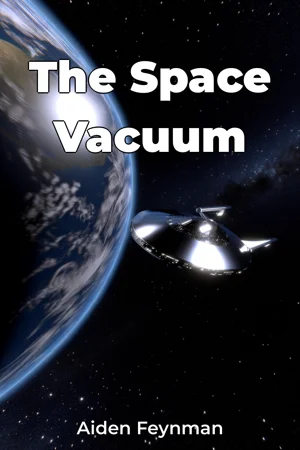
Have you ever stopped to consider the absolute emptiness that surrounds our planet, and how profoundly that nothingness shapes everything we know about space exploration? "The Space Vacuum" delves into the multifaceted nature of the vacuum of space, revealing its fundamental role in space science, its significant dangers to astronauts, and the ingenious technologies developed to overcome these challenges. This exploration is important because understanding the space vacuum isn't just about astrophysics; it's crucial for the future of space travel, the design of spacecraft, and even the search for life beyond Earth. This book argues that the vacuum of space, often treated as a mere backdrop, is in fact an active and defining element of the space environment. It's not simply the absence of air, but a complex interplay of radiation, extreme temperatures, and near-perfect emptiness that presents ongoing engineering and physiological hurdles. Understanding, respecting, and adapting to this vacuum is vital for humanity's continued progress in space. The book begins by establishing the scientific basis for the space vacuum, differentiating it from vacuums achievable on Earth and explaining its formation in the context of the expanding universe. It proceeds to examine the effects of this vacuum on the human body, detailing the physiological challenges astronauts face: radiation exposure, bone density loss, and the immediate dangers of rapid decompression. This section draws on medical research, astronaut accounts, and engineering reports to paint a vivid picture of the personal risks involved in space travel. The book then shifts its focus to technology. Chapters are dedicated to the development of spacesuits, spacecraft shielding, and life support systems, all designed to mitigate the hostile effects of the vacuum. We explore the evolution of these technologies, from the early days of the space race to present-day innovations, including advanced materials and closed-loop environmental control systems. This discussion emphasizes the iterative process of engineering, highlighting both successes and failures in our quest to conquer the vacuum. The book also explores interdisciplinary connections. Astrophysics informs our understanding of the vacuum's properties, while materials science helps us create effective shields and protective equipment. Further, biology plays a key role in understanding how life might (or might not) exist in such extreme conditions, contributing to the search for extraterrestrial life. A unique aspect of this book is its emphasis on the "active" role of the vacuum. Rather than simply describing it as an empty void, it highlights the ways the vacuum actively shapes the space environment through interactions with radiation, magnetic fields, and micrometeoroids. This perspective provides a fresh lens for understanding the complex dynamics of outer space. Written in a clear and accessible style, "The Space Vacuum" is targeted toward scientifically curious readers, students of space science, and anyone interested in the challenges and triumphs of space exploration. It is a non-fiction work that blends historical analysis with present-day science and technology, offering a comprehensive look at a crucial but often overlooked aspect of space. In terms of scope, the book focuses primarily on the vacuum of near-Earth space and its implications for human spaceflight and satellite technology. It does not delve deeply into deep-space phenomena or theoretical astrophysics, maintaining a pragmatic focus on the challenges faced by current and near-future space missions. This allows for a more detailed examination of the practical engineering and physiological considerations. Finally, the book addresses areas of ongoing debate, such as the long-term effects of space radiation on astronauts and the ethical considerations of planetary protection. By presenting different perspectives on these topics, it encourages critical thinking and fosters a deeper appreciation for the complexities of space exploration.
Have you ever stopped to consider the absolute emptiness that surrounds our planet, and how profoundly that nothingness shapes everything we know about space exploration? "The Space Vacuum" delves into the multifaceted nature of the vacuum of space, revealing its fundamental role in space science, its significant dangers to astronauts, and the ingenious technologies developed to overcome these challenges. This exploration is important because understanding the space vacuum isn't just about astrophysics; it's crucial for the future of space travel, the design of spacecraft, and even the search for life beyond Earth. This book argues that the vacuum of space, often treated as a mere backdrop, is in fact an active and defining element of the space environment. It's not simply the absence of air, but a complex interplay of radiation, extreme temperatures, and near-perfect emptiness that presents ongoing engineering and physiological hurdles. Understanding, respecting, and adapting to this vacuum is vital for humanity's continued progress in space. The book begins by establishing the scientific basis for the space vacuum, differentiating it from vacuums achievable on Earth and explaining its formation in the context of the expanding universe. It proceeds to examine the effects of this vacuum on the human body, detailing the physiological challenges astronauts face: radiation exposure, bone density loss, and the immediate dangers of rapid decompression. This section draws on medical research, astronaut accounts, and engineering reports to paint a vivid picture of the personal risks involved in space travel. The book then shifts its focus to technology. Chapters are dedicated to the development of spacesuits, spacecraft shielding, and life support systems, all designed to mitigate the hostile effects of the vacuum. We explore the evolution of these technologies, from the early days of the space race to present-day innovations, including advanced materials and closed-loop environmental control systems. This discussion emphasizes the iterative process of engineering, highlighting both successes and failures in our quest to conquer the vacuum. The book also explores interdisciplinary connections. Astrophysics informs our understanding of the vacuum's properties, while materials science helps us create effective shields and protective equipment. Further, biology plays a key role in understanding how life might (or might not) exist in such extreme conditions, contributing to the search for extraterrestrial life. A unique aspect of this book is its emphasis on the "active" role of the vacuum. Rather than simply describing it as an empty void, it highlights the ways the vacuum actively shapes the space environment through interactions with radiation, magnetic fields, and micrometeoroids. This perspective provides a fresh lens for understanding the complex dynamics of outer space. Written in a clear and accessible style, "The Space Vacuum" is targeted toward scientifically curious readers, students of space science, and anyone interested in the challenges and triumphs of space exploration. It is a non-fiction work that blends historical analysis with present-day science and technology, offering a comprehensive look at a crucial but often overlooked aspect of space. In terms of scope, the book focuses primarily on the vacuum of near-Earth space and its implications for human spaceflight and satellite technology. It does not delve deeply into deep-space phenomena or theoretical astrophysics, maintaining a pragmatic focus on the challenges faced by current and near-future space missions. This allows for a more detailed examination of the practical engineering and physiological considerations. Finally, the book addresses areas of ongoing debate, such as the long-term effects of space radiation on astronauts and the ethical considerations of planetary protection. By presenting different perspectives on these topics, it encourages critical thinking and fosters a deeper appreciation for the complexities of space exploration.
"The Space Vacuum" explores the often-underestimated role of near-perfect emptiness in shaping space exploration and space science. It reveals how the vacuum of space isn't just an absence of air, but a dynamic environment filled with radiation and extreme temperatures, posing significant dangers to astronauts and spacecraft. The book details how the vacuum actively shapes the space environment through interactions with radiation, magnetic fields, and micrometeoroids. Understanding the vacuum is vital for future space travel, spacecraft design, and the search for life beyond Earth. The book progresses from establishing the scientific basis of the space vacuum to examining its effects on the human body, detailing physiological challenges like radiation exposure and bone density loss. It highlights the engineering feats required to protect astronauts and equipment, such as spacesuits and spacecraft shielding. The approach blends historical analysis with up-to-date space technology, and it emphasizes the iterative nature of engineering solutions developed over time. Ultimately, "The Space Vacuum" offers a comprehensive look at a crucial, yet often overlooked, aspect of space.
Book Details
ISBN
9788233986131
Publisher
Publifye AS
Your Licenses
You don't own any licenses for this book
Purchase a license below to unlock this book and download the EPUB.
Purchase License
Select a tier to unlock this book
Need bulk licensing?
Contact us for enterprise agreements.