
About This Book
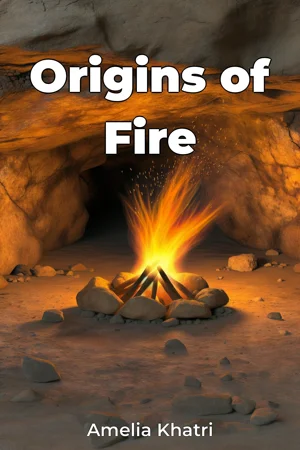
What force has shaped human civilization more profoundly than any other? The answer is fire, a phenomenon so fundamental, so intertwined with our history, that its true significance is often overlooked. "Origins of Fire" delves into the multifaceted story of this essential element, exploring its chemical underpinnings, its transformative impact on early human societies, and its continuing role in shaping our world. This book examines the fundamental chemistry of fire, detailing the oxidation processes and energy release that define combustion. It elucidates the essential components necessary for fire – fuel, oxidant, and ignition source – and how variations in these elements dictate the characteristics of different flames. This is important because understanding the science of fire is crucial to both controlling it and harnessing its potential. The book also investigates the dawn of fire use by early humans. It synthesizes archaeological evidence and anthropological theories to trace the development of fire-making techniques, from opportunistic scavenging of natural fires to the mastery of friction-based methods. These early innovations were critical in human evolution, providing warmth, protection from predators, and a means to cook food, thus expanding dietary options and contributing to brain development. "Origins of Fire" argues that the controlled use of fire was a pivotal turning point in human history, enabling the development of agriculture, metallurgy, and eventually, the industrial revolution. The book's structure traces this evolution, starting with the chemistry of fire itself, then moving into its role in early human societies, and concluding with its impact on energy production, manufacturing, and scientific advancements. The central thesis is that fire, throughout history, remains a powerful force driving innovation and shaping societal advancement. Several chapters explore the influence of fire on technology, from its role in smelting metals to its use in powering steam engines and internal combustion engines. The book discusses how the harnessing of fire facilitated unprecedented levels of energy production, leading to urbanization and the rise of complex societies. We draw upon historical records, scientific studies, and engineering analyses to support this claim. The book connects to fields such as anthropology, archaeology, chemistry, physics, and engineering. By integrating insights from these diverse disciplines, it provides a more complete and nuanced understanding of fire's impact. "Origins of Fire" is written in a clear and accessible style, targeting a broad audience of readers interested in science, history, and the forces that have shaped human civilization. While maintaining scientific rigor, the book avoids excessive jargon, ensuring that the complex concepts are understandable to non-specialists. The target audience includes students, researchers, and anyone interested in the history of science and technology; professionals in fields such as engineering, materials science, and archaeology will also find it a useful comprehensive resource. The scope of the book is broad, but with limitations. While covering the use of fire across different cultures and eras, it does not delve into the specific cultural mythologies or symbolic interpretations of fire. "Origins of Fire" is concerned with the practical applications and scientific understanding of fire throughout history. The information presented in the book has practical applications in many fields. For instance, understanding combustion chemistry is crucial for developing more efficient and cleaner burning engines. The historical analysis of fire's role in metallurgy can inform the development of new materials. The book will also address some of the ongoing debates surrounding climate change and fire management, offering a balanced perspective on the complex relationship between fire, humanity, and the environment.
What force has shaped human civilization more profoundly than any other? The answer is fire, a phenomenon so fundamental, so intertwined with our history, that its true significance is often overlooked. "Origins of Fire" delves into the multifaceted story of this essential element, exploring its chemical underpinnings, its transformative impact on early human societies, and its continuing role in shaping our world. This book examines the fundamental chemistry of fire, detailing the oxidation processes and energy release that define combustion. It elucidates the essential components necessary for fire – fuel, oxidant, and ignition source – and how variations in these elements dictate the characteristics of different flames. This is important because understanding the science of fire is crucial to both controlling it and harnessing its potential. The book also investigates the dawn of fire use by early humans. It synthesizes archaeological evidence and anthropological theories to trace the development of fire-making techniques, from opportunistic scavenging of natural fires to the mastery of friction-based methods. These early innovations were critical in human evolution, providing warmth, protection from predators, and a means to cook food, thus expanding dietary options and contributing to brain development. "Origins of Fire" argues that the controlled use of fire was a pivotal turning point in human history, enabling the development of agriculture, metallurgy, and eventually, the industrial revolution. The book's structure traces this evolution, starting with the chemistry of fire itself, then moving into its role in early human societies, and concluding with its impact on energy production, manufacturing, and scientific advancements. The central thesis is that fire, throughout history, remains a powerful force driving innovation and shaping societal advancement. Several chapters explore the influence of fire on technology, from its role in smelting metals to its use in powering steam engines and internal combustion engines. The book discusses how the harnessing of fire facilitated unprecedented levels of energy production, leading to urbanization and the rise of complex societies. We draw upon historical records, scientific studies, and engineering analyses to support this claim. The book connects to fields such as anthropology, archaeology, chemistry, physics, and engineering. By integrating insights from these diverse disciplines, it provides a more complete and nuanced understanding of fire's impact. "Origins of Fire" is written in a clear and accessible style, targeting a broad audience of readers interested in science, history, and the forces that have shaped human civilization. While maintaining scientific rigor, the book avoids excessive jargon, ensuring that the complex concepts are understandable to non-specialists. The target audience includes students, researchers, and anyone interested in the history of science and technology; professionals in fields such as engineering, materials science, and archaeology will also find it a useful comprehensive resource. The scope of the book is broad, but with limitations. While covering the use of fire across different cultures and eras, it does not delve into the specific cultural mythologies or symbolic interpretations of fire. "Origins of Fire" is concerned with the practical applications and scientific understanding of fire throughout history. The information presented in the book has practical applications in many fields. For instance, understanding combustion chemistry is crucial for developing more efficient and cleaner burning engines. The historical analysis of fire's role in metallurgy can inform the development of new materials. The book will also address some of the ongoing debates surrounding climate change and fire management, offering a balanced perspective on the complex relationship between fire, humanity, and the environment.
"Origins of Fire" explores the profound impact of fire on human civilization, revealing it as a driving force behind technological and societal advancements. It examines fire's fundamental chemistry, detailing the combustion process and energy release, highlighting how early humans transitioned from scavenging natural fires to mastering fire-making techniques. This mastery provided warmth, protection, and cooked food, which significantly expanded dietary options and contributed to brain development. The book progresses chronologically, starting with the chemistry of fire, then moves to its role in early human societies, and concludes with its impact on energy production and scientific advancements. It emphasizes fire's role in the development of agriculture, metallurgy, and the industrial revolution. For example, the book unpacks how the harnessing of fire facilitated energy production leading to urbanization and complex societies. This unique approach integrates insights from anthropology, archaeology, chemistry, physics, and engineering.
Book Details
ISBN
9788233986032
Publisher
Publifye AS
Your Licenses
You don't own any licenses for this book
Purchase a license below to unlock this book and download the EPUB.
Purchase License
Select a tier to unlock this book
Need bulk licensing?
Contact us for enterprise agreements.