
About This Book
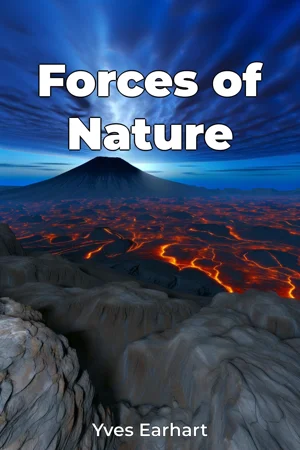
What if the ground beneath our feet is in constant conversation with the skies above? "Forces of Nature" explores Earth's dynamic systems and the profound ways they shape our planet and influence all life upon it. This book delves into the intricate interplay of plate tectonics, global weather patterns, and ocean currents, revealing how these forces interact to generate both catastrophic events and the subtle rhythms of the natural world. We will begin by establishing a foundational understanding of Earth's structure, atmosphere, and oceans. While no prior specialized knowledge is needed, an interest in science and the environment will enhance your journey through the book. Our central argument is that a comprehensive understanding of these natural forces is crucial for predicting future environmental changes, mitigating natural disasters, and making informed decisions about resource management and sustainable living. "Forces of Nature" is structured to provide a logical progression of knowledge. First, we will introduce the fundamental principles of plate tectonics, explaining how the movement of Earth's crust creates mountains, volcanoes, and earthquakes. We'll explore the evidence supporting plate tectonics, examining patterns of earthquakes and volcanic activity, magnetic striping on the ocean floor, and the fit of continental coastlines. Next, we'll dissect global weather patterns, detailing the roles of solar radiation, atmospheric circulation, and the Coriolis effect in driving winds, precipitation, and climate zones. We'll analyze long-term climate trends, including ice ages and periods of warming, and explore the factors that influence these changes. Finally, we will examine ocean currents, revealing their influence on temperature distribution, nutrient cycling, and marine ecosystems. The book culminates with a discussion of the real-world implications of these forces, focusing on climate change, natural hazards, and the need for sustainable practices. To support our arguments, we will draw upon a wide range of scientific research, including geological surveys, meteorological data, oceanographic studies, and climate models. We examine case studies of specific events, such as the 2004 Indian Ocean tsunami, to understand the underlying processes and the impact on human populations. The book connects earth science to other fields. It touches upon biology by examining how geological and climatic conditions shape the distribution and evolution of species. It explores the links to geography by mapping the patterns of natural phenomena and their impact on human settlements. Furthermore, it considers elements of environmental science, analyzing the human impact on these natural systems and the potential for mitigating negative effects. "Forces of Nature" offers a unique perspective by integrating these three key areas – plate tectonics, weather patterns, and ocean currents – into a single, cohesive narrative. It offers current insights based on data, to provide the reader with a comprehensive and up-to-date understanding. The tone is informative and accessible, making complex scientific concepts understandable for a broad audience. The intended readership includes students, educators, policymakers, and anyone interested in learning more about the earth and the forces that shape our world. As a book within the nature, earth science and geography genres, "Forces of Nature" uses clear, concise language, detailed illustrations, and real-world examples to make the science engaging and relevant. The book aims to be an informative, rather than sensationalistic, description of the power of our planet. The scope of this book is intentionally broad, covering the major forces shaping the Earth. However, it does not delve into the specific mechanics and chemistry involved in the formation of rocks and minerals, nor does it provide a detailed analysis of specific ecosystems. The knowledge gained from "Forces of Nature" can be applied in many ways. It helps individuals understand the risks associated with living in certain areas, such as earthquake zones or floodplains. It provides a framework for understanding climate change and its potential impacts. It emphasizes the importance of sustainable practices in protecting our planet. "Forces of Nature" addresses ongoing debates in the scientific community, such as the extent to which human activities are driving climate change and the best strategies for mitigating its effects. It presents different perspectives on these issues, encouraging readers to think critically about the evidence and form their own informed opinions.
What if the ground beneath our feet is in constant conversation with the skies above? "Forces of Nature" explores Earth's dynamic systems and the profound ways they shape our planet and influence all life upon it. This book delves into the intricate interplay of plate tectonics, global weather patterns, and ocean currents, revealing how these forces interact to generate both catastrophic events and the subtle rhythms of the natural world. We will begin by establishing a foundational understanding of Earth's structure, atmosphere, and oceans. While no prior specialized knowledge is needed, an interest in science and the environment will enhance your journey through the book. Our central argument is that a comprehensive understanding of these natural forces is crucial for predicting future environmental changes, mitigating natural disasters, and making informed decisions about resource management and sustainable living. "Forces of Nature" is structured to provide a logical progression of knowledge. First, we will introduce the fundamental principles of plate tectonics, explaining how the movement of Earth's crust creates mountains, volcanoes, and earthquakes. We'll explore the evidence supporting plate tectonics, examining patterns of earthquakes and volcanic activity, magnetic striping on the ocean floor, and the fit of continental coastlines. Next, we'll dissect global weather patterns, detailing the roles of solar radiation, atmospheric circulation, and the Coriolis effect in driving winds, precipitation, and climate zones. We'll analyze long-term climate trends, including ice ages and periods of warming, and explore the factors that influence these changes. Finally, we will examine ocean currents, revealing their influence on temperature distribution, nutrient cycling, and marine ecosystems. The book culminates with a discussion of the real-world implications of these forces, focusing on climate change, natural hazards, and the need for sustainable practices. To support our arguments, we will draw upon a wide range of scientific research, including geological surveys, meteorological data, oceanographic studies, and climate models. We examine case studies of specific events, such as the 2004 Indian Ocean tsunami, to understand the underlying processes and the impact on human populations. The book connects earth science to other fields. It touches upon biology by examining how geological and climatic conditions shape the distribution and evolution of species. It explores the links to geography by mapping the patterns of natural phenomena and their impact on human settlements. Furthermore, it considers elements of environmental science, analyzing the human impact on these natural systems and the potential for mitigating negative effects. "Forces of Nature" offers a unique perspective by integrating these three key areas – plate tectonics, weather patterns, and ocean currents – into a single, cohesive narrative. It offers current insights based on data, to provide the reader with a comprehensive and up-to-date understanding. The tone is informative and accessible, making complex scientific concepts understandable for a broad audience. The intended readership includes students, educators, policymakers, and anyone interested in learning more about the earth and the forces that shape our world. As a book within the nature, earth science and geography genres, "Forces of Nature" uses clear, concise language, detailed illustrations, and real-world examples to make the science engaging and relevant. The book aims to be an informative, rather than sensationalistic, description of the power of our planet. The scope of this book is intentionally broad, covering the major forces shaping the Earth. However, it does not delve into the specific mechanics and chemistry involved in the formation of rocks and minerals, nor does it provide a detailed analysis of specific ecosystems. The knowledge gained from "Forces of Nature" can be applied in many ways. It helps individuals understand the risks associated with living in certain areas, such as earthquake zones or floodplains. It provides a framework for understanding climate change and its potential impacts. It emphasizes the importance of sustainable practices in protecting our planet. "Forces of Nature" addresses ongoing debates in the scientific community, such as the extent to which human activities are driving climate change and the best strategies for mitigating its effects. It presents different perspectives on these issues, encouraging readers to think critically about the evidence and form their own informed opinions.
"Forces of Nature" unveils the Earth's powerful systems, exploring how plate tectonics, weather patterns, and ocean currents shape our planet and influence life. The book highlights the interconnectedness of these forces, revealing how they generate both dramatic natural disasters and subtle environmental changes. For example, the movement of tectonic plates not only creates mountains and volcanoes but also triggers devastating earthquakes. Understanding these dynamic systems is crucial for predicting future environmental shifts, mitigating natural hazards, and promoting sustainable living. The book progresses logically, starting with Earth's structure and moving through plate tectonics, weather patterns, and ocean currents. It draws on geological surveys, meteorological data, and oceanographic studies to support its arguments. Real-world case studies, such as the 2004 Indian Ocean tsunami, illustrate the impact of these forces on human populations. "Forces of Nature" integrates earth science with biology, geography, and environmental science, offering a comprehensive and accessible understanding of our planet.
Book Details
ISBN
9788233985950
Publisher
Publifye AS
Your Licenses
You don't own any licenses for this book
Purchase a license below to unlock this book and download the EPUB.
Purchase License
Select a tier to unlock this book
Need bulk licensing?
Contact us for enterprise agreements.