
About This Book
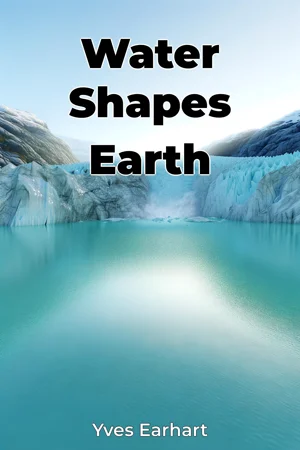
Have you ever considered that the very ground beneath your feet is a constantly evolving canvas, sculpted by the relentless power of water? "Water Shapes Earth" delves into the profound influence of rivers, glaciers, and oceans in shaping our planet's landscapes through the fundamental processes of erosion, deposition, and the dramatic impact of natural disasters. This book is more than a description of geographical features; it is an exploration into the dynamic interplay between water and land, revealing how these forces create the world we inhabit. The core of "Water Shapes Earth" revolves around three central themes: the erosive power of water in its various forms, the depositional processes that build new landforms, and the calamitous effects of water-related natural disasters. Erosion, the gradual wearing away of surfaces, is shown not just as destructive, but as a creative force. Deposition, the accumulation of eroded material, builds features like river deltas and coastal plains, enriching environments and altering coastlines. Finally, natural disasters—floods, tsunamis, glacial outbursts—demonstrate the sudden and often devastating impact of water on human societies and natural environments. These topics are vital because they inform our understanding of Earth's history, influence our resource management strategies, and help us prepare for future environmental challenges. From the earliest civilizations that depended on rivers for agriculture to modern engineering projects designed to control waterways, the interaction between humans and water has shaped societies. Understanding the scientific principles governing these interactions is crucial in an era defined by climate change and increasing environmental pressures. Readers will learn how water's unique properties enable it to erode, transport, and deposit vast quantities of sediment, altering landscapes over both short and long timescales. "Water Shapes Earth" argues that water is not merely a passive element in the Earth system but an active sculptor that continuously reshapes the planet's surface. This argument is significant because it redefines our perspective on landscape formation, highlighting the ongoing and dynamic nature of geological processes and their direct relevance to human activities. The book begins by introducing the fundamental properties of water and their geological implications. It then progresses through several major sections: a) Rivers: Their formation, erosion processes, sediment transport, and the creation of fluvial landforms like valleys, meanders, and deltas. b) Glaciers: The mechanics of glacial movement, erosion, and deposition, including the formation of glacial valleys, moraines, and fjords. The role of glaciers in shaping high-latitude and mountainous regions is emphasized. c) Oceans: Wave action, coastal erosion, sediment transport, and the formation of coastal landforms such as beaches, cliffs, and barrier islands. The impact of sea-level changes and storm surges are also examined. The culmination of these sections demonstrates how these processes interact to create diverse landscapes and how human activities influence these natural systems. The book concludes with a discussion of practical applications, including water resource management, flood control, and coastal protection strategies. The arguments presented in "Water Shapes Earth" are supported by a wide range of evidence, including field observations, satellite imagery, experimental data, and case studies from around the world. The book draws on data from geological surveys, hydrological studies, and climate models to provide a comprehensive and evidence-based analysis. Interdisciplinary connections are crucial to understanding the complexities of water's influence. The book integrates concepts from: 1. Climatology: Examining how climate change affects precipitation patterns, glacial melt, and sea levels. 2. Ecology: Exploring the influence of water-shaped landscapes on biodiversity and ecosystem functions. 3. Engineering: Discussing the design and implementation of structures to manage water resources and mitigate natural hazards. "Water Shapes Earth" emphasizes the interconnectedness of Earth's systems and the importance of considering human impacts on these systems. The book adopts a fact-based, analytical tone, presenting complex information in a clear and accessible manner. The writing style is designed to engage readers without compromising scientific accuracy. The target audience for "Water Shapes Earth" includes students of earth science, geography, and environmental science, as well as general readers with an interest in natural history and environmental issues. The book is valuable to anyone seeking a deeper understanding of the forces that shape our planet and the challenges we face in managing our water resources. As a work of non-fiction earth science geography, "Water Shapes Earth" adheres to the conventions of accuracy, objectivity, and clear presentation of evidence. The book provides a comprehensive overview of its subject matter, while acknowledging the limitations of current knowledge and the ongoing nature of scientific inquiry. The scope of "Water Shapes Earth" is limited to the geological and geomorphological impacts of rivers, glaciers, and oceans. While the book touches on the ecological and social dimensions of these processes, its primary focus remains on the physical processes that shape landscapes. The information presented in this book has numerous real-world applications. It can inform land-use planning, water resource management, and disaster preparedness efforts. By understanding the processes that shape our landscapes, we can make more informed decisions about how to manage and protect our environment. "Water Shapes Earth" addresses ongoing debates regarding the impact of climate change on water resources and landscape evolution. It acknowledges the uncertainties associated with predicting future environmental changes and emphasizes the need for adaptive management strategies.
Have you ever considered that the very ground beneath your feet is a constantly evolving canvas, sculpted by the relentless power of water? "Water Shapes Earth" delves into the profound influence of rivers, glaciers, and oceans in shaping our planet's landscapes through the fundamental processes of erosion, deposition, and the dramatic impact of natural disasters. This book is more than a description of geographical features; it is an exploration into the dynamic interplay between water and land, revealing how these forces create the world we inhabit. The core of "Water Shapes Earth" revolves around three central themes: the erosive power of water in its various forms, the depositional processes that build new landforms, and the calamitous effects of water-related natural disasters. Erosion, the gradual wearing away of surfaces, is shown not just as destructive, but as a creative force. Deposition, the accumulation of eroded material, builds features like river deltas and coastal plains, enriching environments and altering coastlines. Finally, natural disasters—floods, tsunamis, glacial outbursts—demonstrate the sudden and often devastating impact of water on human societies and natural environments. These topics are vital because they inform our understanding of Earth's history, influence our resource management strategies, and help us prepare for future environmental challenges. From the earliest civilizations that depended on rivers for agriculture to modern engineering projects designed to control waterways, the interaction between humans and water has shaped societies. Understanding the scientific principles governing these interactions is crucial in an era defined by climate change and increasing environmental pressures. Readers will learn how water's unique properties enable it to erode, transport, and deposit vast quantities of sediment, altering landscapes over both short and long timescales. "Water Shapes Earth" argues that water is not merely a passive element in the Earth system but an active sculptor that continuously reshapes the planet's surface. This argument is significant because it redefines our perspective on landscape formation, highlighting the ongoing and dynamic nature of geological processes and their direct relevance to human activities. The book begins by introducing the fundamental properties of water and their geological implications. It then progresses through several major sections: a) Rivers: Their formation, erosion processes, sediment transport, and the creation of fluvial landforms like valleys, meanders, and deltas. b) Glaciers: The mechanics of glacial movement, erosion, and deposition, including the formation of glacial valleys, moraines, and fjords. The role of glaciers in shaping high-latitude and mountainous regions is emphasized. c) Oceans: Wave action, coastal erosion, sediment transport, and the formation of coastal landforms such as beaches, cliffs, and barrier islands. The impact of sea-level changes and storm surges are also examined. The culmination of these sections demonstrates how these processes interact to create diverse landscapes and how human activities influence these natural systems. The book concludes with a discussion of practical applications, including water resource management, flood control, and coastal protection strategies. The arguments presented in "Water Shapes Earth" are supported by a wide range of evidence, including field observations, satellite imagery, experimental data, and case studies from around the world. The book draws on data from geological surveys, hydrological studies, and climate models to provide a comprehensive and evidence-based analysis. Interdisciplinary connections are crucial to understanding the complexities of water's influence. The book integrates concepts from: 1. Climatology: Examining how climate change affects precipitation patterns, glacial melt, and sea levels. 2. Ecology: Exploring the influence of water-shaped landscapes on biodiversity and ecosystem functions. 3. Engineering: Discussing the design and implementation of structures to manage water resources and mitigate natural hazards. "Water Shapes Earth" emphasizes the interconnectedness of Earth's systems and the importance of considering human impacts on these systems. The book adopts a fact-based, analytical tone, presenting complex information in a clear and accessible manner. The writing style is designed to engage readers without compromising scientific accuracy. The target audience for "Water Shapes Earth" includes students of earth science, geography, and environmental science, as well as general readers with an interest in natural history and environmental issues. The book is valuable to anyone seeking a deeper understanding of the forces that shape our planet and the challenges we face in managing our water resources. As a work of non-fiction earth science geography, "Water Shapes Earth" adheres to the conventions of accuracy, objectivity, and clear presentation of evidence. The book provides a comprehensive overview of its subject matter, while acknowledging the limitations of current knowledge and the ongoing nature of scientific inquiry. The scope of "Water Shapes Earth" is limited to the geological and geomorphological impacts of rivers, glaciers, and oceans. While the book touches on the ecological and social dimensions of these processes, its primary focus remains on the physical processes that shape landscapes. The information presented in this book has numerous real-world applications. It can inform land-use planning, water resource management, and disaster preparedness efforts. By understanding the processes that shape our landscapes, we can make more informed decisions about how to manage and protect our environment. "Water Shapes Earth" addresses ongoing debates regarding the impact of climate change on water resources and landscape evolution. It acknowledges the uncertainties associated with predicting future environmental changes and emphasizes the need for adaptive management strategies.
"Water Shapes Earth" explores how water, in its various forms, sculpts our planet's surface. It delves into the dynamic processes of erosion, deposition, and the dramatic impacts of water-related natural disasters. The book reveals how rivers carve valleys, glaciers shape mountains, and oceans mold coastlines, demonstrating that landscapes are not static but constantly evolving. A key insight is how erosion, often seen as destructive, is also a creative force, while deposition builds essential landforms like river deltas. The book progresses by examining rivers, glaciers, and oceans in separate sections, showcasing how each contributes to landscape evolution. It highlights the interconnectedness of Earth's systems and emphasizes the importance of understanding and managing our water resources in the face of climate change. "Water Shapes Earth" adopts a fact-based approach, integrating field observations, satellite imagery, and case studies to support its arguments. It connects earth science with climatology, ecology, and engineering, demonstrating the relevance of water's impact on biodiversity and human infrastructure. This comprehensive approach makes the book valuable for students and general readers interested in understanding the forces that shape our world.
Book Details
ISBN
9788233985783
Publisher
Publifye AS
Your Licenses
You don't own any licenses for this book
Purchase a license below to unlock this book and download the EPUB.
Purchase License
Select a tier to unlock this book
Need bulk licensing?
Contact us for enterprise agreements.