
About This Book
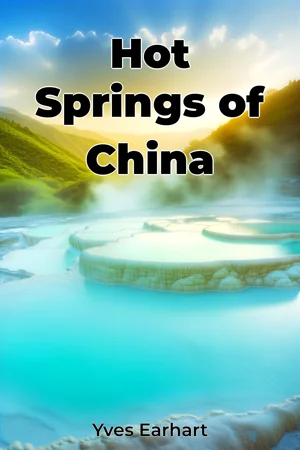
Did you know that beneath China's diverse landscapes lie hidden reservoirs of geothermal energy, bubbling to the surface as therapeutic hot springs steeped in history and tradition? "Hot Springs of China" is a comprehensive exploration into these natural phenomena, delving into their geological origins, historical significance, and contemporary uses. This book is essential for anyone with an interest in earth sciences, geography, travel, or the cultural practices of China. We begin by examining the geothermal processes that create these hot springs. Understanding plate tectonics, volcanic activity, and groundwater flow is key to appreciating why these features exist and vary across China. This book will delve into the specific geological formations and fault lines that contribute to the formation of hot springs in different regions. We'll also explore the chemical composition of the water in different springs, analyzing the minerals and elements that contribute to their therapeutic properties. The historical context surrounding hot springs is equally vital. For centuries, these natural wonders have been revered for their healing abilities and have played a role in Chinese culture and medicine. We trace the historical use of hot springs from ancient medicinal practices to imperial bathing rituals, showing how these sites evolved into popular destinations for relaxation and wellness. We consider the social impact of hot springs on local communities, noting how these natural resources have shaped livelihoods and cultural practices. Our central argument highlights the intersection of geology, history, and culture in the story of China's hot springs. These are not simply geological features; they are integral parts of China's natural and cultural heritage. Preserving and understanding these resources requires a multidisciplinary approach that considers both their scientific and historical value. The book is structured to systematically unravel this story. It starts by introducing fundamental concepts in geothermal science and Chinese history. Then, it will explore regional variations in hot spring characteristics, highlighting specific locations and their unique properties. Later chapters will delve into the modern utilization of hot springs for tourism, health, and energy production, examining the environmental and economic implications. Finally, we discuss the future of hot spring management in China, emphasizing the need for sustainable practices and conservation efforts. The content is supported by a combination of scientific data, historical records, and firsthand observations. Geological surveys, water chemistry analyses, historical texts, and travel accounts are used to build a comprehensive picture of China's hot springs. This includes unique datasets on water mineral content, local folklore related to specific springs, and analysis of architectural styles prevalent at hot spring resorts. The study of hot springs naturally connects to other disciplines, including medicine, environmental science, and tourism studies. The therapeutic effects of mineral-rich waters link directly to medical research. Environmental scientists are concerned with the sustainable use of geothermal resources, and experts in tourism study the economic impact of these attractions. Bringing together these threads enriches our understanding of hot springs and their importance. What sets this work apart is its holistic approach, integrating scientific analysis with historical and cultural perspectives. Instead of focusing solely on geology or history, it presents a complete picture of hot springs as natural and cultural treasures. The tone is informative and accessible, aimed at both general readers and specialists. The book is targeted toward anyone interested in China, geology, natural health, or travel. It is designed to appeal to travelers seeking unique destinations, students researching Chinese culture, and professionals working in related fields. It provides a wealth of information that can be used for academic research, travel planning, or personal enrichment. As a work of non-fiction, 'Hot Springs of China' relies on verifiable facts, credible sources, and objective analysis. The book provides a broad overview, acknowledging that certain regions or aspects may receive more attention due to availability of data or historical significance, but any limitations will be clearly stated. The information presented has practical real-world applications. Readers can use it to plan trips to hot spring destinations, understand the health benefits of mineral waters, or learn about sustainable geothermal energy practices. While the therapeutic benefits of hot springs are well-documented, there are ongoing debates about the optimal way to manage these resources and mitigate potential environmental impacts of geothermal energy production. The book presents different perspectives on these issues, offering a balanced view of the challenges and opportunities.
Did you know that beneath China's diverse landscapes lie hidden reservoirs of geothermal energy, bubbling to the surface as therapeutic hot springs steeped in history and tradition? "Hot Springs of China" is a comprehensive exploration into these natural phenomena, delving into their geological origins, historical significance, and contemporary uses. This book is essential for anyone with an interest in earth sciences, geography, travel, or the cultural practices of China. We begin by examining the geothermal processes that create these hot springs. Understanding plate tectonics, volcanic activity, and groundwater flow is key to appreciating why these features exist and vary across China. This book will delve into the specific geological formations and fault lines that contribute to the formation of hot springs in different regions. We'll also explore the chemical composition of the water in different springs, analyzing the minerals and elements that contribute to their therapeutic properties. The historical context surrounding hot springs is equally vital. For centuries, these natural wonders have been revered for their healing abilities and have played a role in Chinese culture and medicine. We trace the historical use of hot springs from ancient medicinal practices to imperial bathing rituals, showing how these sites evolved into popular destinations for relaxation and wellness. We consider the social impact of hot springs on local communities, noting how these natural resources have shaped livelihoods and cultural practices. Our central argument highlights the intersection of geology, history, and culture in the story of China's hot springs. These are not simply geological features; they are integral parts of China's natural and cultural heritage. Preserving and understanding these resources requires a multidisciplinary approach that considers both their scientific and historical value. The book is structured to systematically unravel this story. It starts by introducing fundamental concepts in geothermal science and Chinese history. Then, it will explore regional variations in hot spring characteristics, highlighting specific locations and their unique properties. Later chapters will delve into the modern utilization of hot springs for tourism, health, and energy production, examining the environmental and economic implications. Finally, we discuss the future of hot spring management in China, emphasizing the need for sustainable practices and conservation efforts. The content is supported by a combination of scientific data, historical records, and firsthand observations. Geological surveys, water chemistry analyses, historical texts, and travel accounts are used to build a comprehensive picture of China's hot springs. This includes unique datasets on water mineral content, local folklore related to specific springs, and analysis of architectural styles prevalent at hot spring resorts. The study of hot springs naturally connects to other disciplines, including medicine, environmental science, and tourism studies. The therapeutic effects of mineral-rich waters link directly to medical research. Environmental scientists are concerned with the sustainable use of geothermal resources, and experts in tourism study the economic impact of these attractions. Bringing together these threads enriches our understanding of hot springs and their importance. What sets this work apart is its holistic approach, integrating scientific analysis with historical and cultural perspectives. Instead of focusing solely on geology or history, it presents a complete picture of hot springs as natural and cultural treasures. The tone is informative and accessible, aimed at both general readers and specialists. The book is targeted toward anyone interested in China, geology, natural health, or travel. It is designed to appeal to travelers seeking unique destinations, students researching Chinese culture, and professionals working in related fields. It provides a wealth of information that can be used for academic research, travel planning, or personal enrichment. As a work of non-fiction, 'Hot Springs of China' relies on verifiable facts, credible sources, and objective analysis. The book provides a broad overview, acknowledging that certain regions or aspects may receive more attention due to availability of data or historical significance, but any limitations will be clearly stated. The information presented has practical real-world applications. Readers can use it to plan trips to hot spring destinations, understand the health benefits of mineral waters, or learn about sustainable geothermal energy practices. While the therapeutic benefits of hot springs are well-documented, there are ongoing debates about the optimal way to manage these resources and mitigate potential environmental impacts of geothermal energy production. The book presents different perspectives on these issues, offering a balanced view of the challenges and opportunities.
"Hot Springs of China" explores the fascinating world of China's geothermal features, highlighting their geological origins, historical significance, and modern uses. These hot springs aren't just geological formations; they're integral to China's natural and cultural heritage. The book examines the geothermal processes that create these springs, explaining how plate tectonics and groundwater flow influence their existence and variation across China. Readers will discover how the mineral composition of the water contributes to their therapeutic properties, a key aspect of their appeal. For centuries, these natural wonders have been revered for their healing abilities and have played a role in Chinese culture and medicine. From ancient medicinal practices to imperial bathing rituals, the book traces the evolution of hot springs into popular destinations for relaxation and wellness. Furthermore, the book systematically unravels the story of China's hot springs and their connection to other disciplines. The book begins by introducing fundamental concepts in geothermal science and Chinese history and progresses to explore regional variations, modern utilization, and future management. What sets this book apart is its holistic approach, integrating scientific analysis with historical and cultural perspectives. It provides a complete picture of hot springs as both natural and cultural treasures. Supported by scientific data, historical records, and firsthand observations, "Hot Springs of China" offers valuable insights for travelers, students, and professionals interested in earth sciences, geography, travel, and Chinese culture.
Book Details
ISBN
9788233985387
Publisher
Publifye AS
Your Licenses
You don't own any licenses for this book
Purchase a license below to unlock this book and download the EPUB.
Purchase License
Select a tier to unlock this book
Need bulk licensing?
Contact us for enterprise agreements.