
About This Book
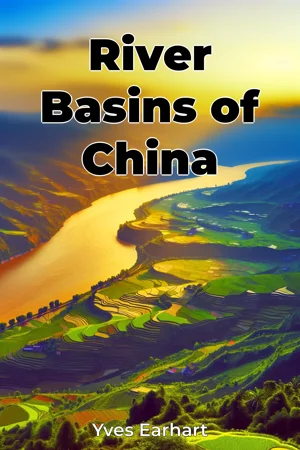
Can understanding the intricate relationship between a nation and its rivers unlock the secrets to its past, present, and future prosperity? "River Basins of China" delves into the crucial role that China's major river systems, particularly the Yangtze and Pearl, play in sustaining the country's vast population, driving its agricultural output, and fueling its industrial engine. This exploration is vital because these basins are not merely geographical features; they are the lifeblood of China, influencing everything from economic development to environmental stability and social well-being. The book examines two key topics: first, the hydrological characteristics of these major basins, including rainfall patterns, water flow dynamics, and the impacts of climate change. Second, it analyzes the interplay between human activity within these basins and the environment, focusing on urbanization, agricultural practices, and industrial development. Understanding this dynamic is critical to addressing the complex challenges of water resource management, pollution control, and sustainable development in China. Historically, China's civilizations have flourished along its major rivers. The book provides a context of how these waterways have shaped settlement patterns, agricultural practices, and cultural identities for millennia. It also acknowledges that readers should ideally have a basic understanding of geographical concepts (e.g., watersheds, ecosystems) and environmental science principles (e.g., pollution, resource depletion) to fully appreciate the book's analysis. "River Basins of China" argues that sustainable development and responsible water resource management within these river basins are not just environmental imperatives but also essential pillars for China's continued economic growth and social stability. Ignoring these factors risks environmental degradation, resource scarcity, and potentially significant social and economic disruptions. The book is structured to first introduce the geographical and environmental context of China's major river basins. This includes detailed descriptions of the Yangtze, Pearl, Yellow, and other significant river systems. It then develops the central argument by exploring the complex interactions between human activities and the environment within these basins. Major points covered include an analysis of agricultural water usage, its impacts on basin ecology, urbanization, and the rise of industrial centers along rivers, particularly focusing on water pollution. It also addresses the role of water infrastructure projects (e.g., dams, irrigation systems) in managing water resources and their environmental consequences. The book culminates with a discussion of policy recommendations for sustainable river basin management, emphasizing the importance of integrated approaches that consider environmental, economic, and social factors. Included are practical implications for governmental environmental policy as well as suggestions for business and agricultural communities. The analysis presented is supported by a wide range of evidence, including hydrological data, environmental monitoring reports, economic statistics, and case studies of specific river basin management projects. It draws on publicly available data from Chinese government agencies, academic research, and international organizations. Specific methodologies will include statistical analysis of water usage and pollution data, GIS mapping of land use changes, and comparative analysis of different river basin management strategies. This book connects to other fields such as economics through its analysis of agricultural and industrial development’s impact on water resources, political science and policy through its examination of water governance structures and environmental regulations, and sociology and anthropology through its consideration of the social impacts of water scarcity and pollution on communities that depend on the river basins. These connections enhance the book's argument by demonstrating that river basin management is not solely an environmental issue but a multifaceted challenge that requires interdisciplinary solutions. The book offers a comprehensive and integrated assessment of the challenges and opportunities facing China's river basins, focusing on the interconnectedness of human activity, environmental health, and economic development. It adopts a non-fiction, fact-based approach, presenting information in a clear and accessible manner suitable for a broad audience. The target audience includes students and researchers in environmental science, geography, economics, and public policy, as well as policymakers, environmental managers, and anyone interested in understanding the environmental challenges facing China. It provides valuable insights into the complex interplay between human activity and the environment in a rapidly developing country. Adhering to the conventions of earth sciences geography and environmental non-fiction, the book provides detailed descriptions, data analysis, and rigorous sourcing. The scope of the book is limited to the major river basins of China, with a particular focus on the Yangtze and Pearl Rivers. It does not provide an exhaustive analysis of all water-related issues in China but focuses on the specific challenges and opportunities associated with these critical river systems. The information in this book can be applied practically by policymakers in developing effective water resource management strategies, by businesses in adopting sustainable practices that minimize their environmental impact, and by individuals in making informed choices about water consumption and environmental stewardship. The book addresses ongoing debates about the trade-offs between economic development and environmental protection in China, particularly concerning the role of large-scale water infrastructure projects and the regulation of industrial pollution.
Can understanding the intricate relationship between a nation and its rivers unlock the secrets to its past, present, and future prosperity? "River Basins of China" delves into the crucial role that China's major river systems, particularly the Yangtze and Pearl, play in sustaining the country's vast population, driving its agricultural output, and fueling its industrial engine. This exploration is vital because these basins are not merely geographical features; they are the lifeblood of China, influencing everything from economic development to environmental stability and social well-being. The book examines two key topics: first, the hydrological characteristics of these major basins, including rainfall patterns, water flow dynamics, and the impacts of climate change. Second, it analyzes the interplay between human activity within these basins and the environment, focusing on urbanization, agricultural practices, and industrial development. Understanding this dynamic is critical to addressing the complex challenges of water resource management, pollution control, and sustainable development in China. Historically, China's civilizations have flourished along its major rivers. The book provides a context of how these waterways have shaped settlement patterns, agricultural practices, and cultural identities for millennia. It also acknowledges that readers should ideally have a basic understanding of geographical concepts (e.g., watersheds, ecosystems) and environmental science principles (e.g., pollution, resource depletion) to fully appreciate the book's analysis. "River Basins of China" argues that sustainable development and responsible water resource management within these river basins are not just environmental imperatives but also essential pillars for China's continued economic growth and social stability. Ignoring these factors risks environmental degradation, resource scarcity, and potentially significant social and economic disruptions. The book is structured to first introduce the geographical and environmental context of China's major river basins. This includes detailed descriptions of the Yangtze, Pearl, Yellow, and other significant river systems. It then develops the central argument by exploring the complex interactions between human activities and the environment within these basins. Major points covered include an analysis of agricultural water usage, its impacts on basin ecology, urbanization, and the rise of industrial centers along rivers, particularly focusing on water pollution. It also addresses the role of water infrastructure projects (e.g., dams, irrigation systems) in managing water resources and their environmental consequences. The book culminates with a discussion of policy recommendations for sustainable river basin management, emphasizing the importance of integrated approaches that consider environmental, economic, and social factors. Included are practical implications for governmental environmental policy as well as suggestions for business and agricultural communities. The analysis presented is supported by a wide range of evidence, including hydrological data, environmental monitoring reports, economic statistics, and case studies of specific river basin management projects. It draws on publicly available data from Chinese government agencies, academic research, and international organizations. Specific methodologies will include statistical analysis of water usage and pollution data, GIS mapping of land use changes, and comparative analysis of different river basin management strategies. This book connects to other fields such as economics through its analysis of agricultural and industrial development’s impact on water resources, political science and policy through its examination of water governance structures and environmental regulations, and sociology and anthropology through its consideration of the social impacts of water scarcity and pollution on communities that depend on the river basins. These connections enhance the book's argument by demonstrating that river basin management is not solely an environmental issue but a multifaceted challenge that requires interdisciplinary solutions. The book offers a comprehensive and integrated assessment of the challenges and opportunities facing China's river basins, focusing on the interconnectedness of human activity, environmental health, and economic development. It adopts a non-fiction, fact-based approach, presenting information in a clear and accessible manner suitable for a broad audience. The target audience includes students and researchers in environmental science, geography, economics, and public policy, as well as policymakers, environmental managers, and anyone interested in understanding the environmental challenges facing China. It provides valuable insights into the complex interplay between human activity and the environment in a rapidly developing country. Adhering to the conventions of earth sciences geography and environmental non-fiction, the book provides detailed descriptions, data analysis, and rigorous sourcing. The scope of the book is limited to the major river basins of China, with a particular focus on the Yangtze and Pearl Rivers. It does not provide an exhaustive analysis of all water-related issues in China but focuses on the specific challenges and opportunities associated with these critical river systems. The information in this book can be applied practically by policymakers in developing effective water resource management strategies, by businesses in adopting sustainable practices that minimize their environmental impact, and by individuals in making informed choices about water consumption and environmental stewardship. The book addresses ongoing debates about the trade-offs between economic development and environmental protection in China, particularly concerning the role of large-scale water infrastructure projects and the regulation of industrial pollution.
"River Basins of China" explores the intricate relationship between China's major river systems and the nation's development, focusing on the Yangtze and Pearl Rivers. These rivers are vital for sustaining the population, agriculture, and industry, and are critical to understanding China's past, present, and future. The book sheds light on the hydrological characteristics of these basins, including rainfall patterns and the effects of climate change. It also examines how human activities like urbanization and industrial development impact these vital waterways, leading to issues like water pollution and the necessity for effective water resource management. The book emphasizes that sustainable development and responsible water resource management are essential for China's continued growth and stability. It highlights how China's civilizations have historically thrived along its rivers, shaping settlement patterns and cultural identities. "River Basins of China" progresses by first introducing the geographical and environmental context, then delving into the complex interactions between human activities and the environment. The book culminates with policy recommendations for sustainable river basin management, offering practical suggestions for governmental environmental policy, business, and agriculture.
Book Details
ISBN
9788233985226
Publisher
Publifye AS
Your Licenses
You don't own any licenses for this book
Purchase a license below to unlock this book and download the EPUB.
Purchase License
Select a tier to unlock this book
Need bulk licensing?
Contact us for enterprise agreements.