
About This Book
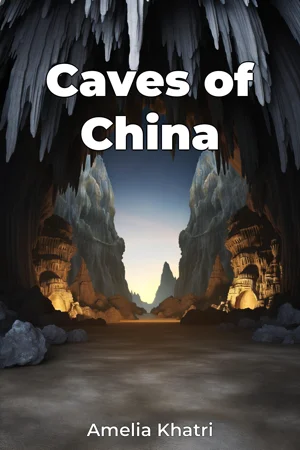
What lies hidden beneath the surface of China's ancient landscape? This book, *Caves of China*, unveils the subterranean wonders of this vast country, guiding you through a realm shaped by time, geology, and human history. We explore not just the breathtaking beauty of these natural formations, but also their profound cultural and historical significance. This book focuses on two primary themes: the geological processes that sculpted China's diverse cave systems, particularly the karst landscapes of Guilin, and the rich tapestry of human interaction with these caves, primarily through the lens of Buddhist art and ancient settlements. Understanding these themes is crucial to appreciating the dual nature of Chinese caves – both as natural wonders and as repositories of cultural heritage. The geological foundation of many Chinese caves lies in the country's extensive limestone deposits. Over millions of years, the dissolving action of slightly acidic rainwater has carved out elaborate networks of underground passages, creating the iconic karst scenery that attracts visitors worldwide. Complementing this natural history is the story of human adaptation and artistic expression within these spaces. From the early Buddhist monks who sought refuge and inspiration in these caves to the artisans who adorned their walls with intricate carvings and paintings, the caves became living canvases for religious and cultural exchange. The central argument of *Caves of China* is that these subterranean environments offer a unique lens through which to understand the intertwined relationship between nature and culture in China. By examining the geological origins and the historical uses of these caves, we gain insight into both the dynamic forces that shaped the landscape and the enduring impact of human civilization on the natural world. The book is structured to provide a comprehensive exploration of these themes. We begin with an introduction to the geological processes responsible for cave formation in China, focusing on karst topography and its regional variations. The second part of the book delves into the history of Buddhist cave art, tracing its origins in India and its subsequent adaptation and flourishing in China, with specific examples like the Mogao Grottoes and the Longmen Grottoes. The third section examines the use of caves as settlements and defensive structures throughout Chinese history, analyzing archaeological evidence and historical records. Concluding chapters explore the conservation challenges facing these fragile environments and the ongoing efforts to preserve them for future generations. The book draws upon a range of evidence, including geological surveys, archaeological findings, art historical analysis, and historical documents. We incorporate recent scientific discoveries and employ comparative analyses of different cave systems to offer a nuanced and updated perspective. *Caves of China* connects to broader fields such as geology, art history, archaeology, and environmental studies. The geological analysis of cave formations contributes to understanding larger patterns of landscape evolution and climate change. The study of Buddhist art within caves provides insights into religious syncretism and cultural exchange along the Silk Road. Archaeological investigations uncover details about past human behavior and adaptation to diverse environments. Finally, the discussion of conservation efforts ties into broader concerns about environmental sustainability and cultural heritage preservation. This book provides a holistic perspective, considering both the natural and cultural aspects of Chinese caves. It integrates scientific and historical research to offer a comprehensive understanding, presenting a balanced view of geological processes, artistic achievements, and human impact. The tone is informative and accessible, aimed at engaging a broad audience with an interest in travel, history, and natural science. While grounded in scholarly research, the writing style avoids jargon and technical language, making it suitable for general readers seeking to learn about China's hidden wonders. The target audience includes travelers interested in exploring off-the-beaten-path destinations, students and scholars of Chinese history and culture, and anyone with a curiosity about geology, archaeology, and art. The book offers valuable insights for those planning trips to China, providing background information on the geological and historical significance of the caves they may visit. As a work of non-fiction, *Caves of China* adheres to the principles of accuracy, objectivity, and thoroughness. The information presented is based on credible sources; interpretations are supported by evidence; and the limitations of available data are acknowledged. The book's scope is limited to caves within the geographical boundaries of China, although it acknowledges the connections between Chinese cave art and other traditions in Asia. It does not delve into comparative studies of cave systems outside of China in any significant depth. Readers can apply the information in this book to enhance their understanding of Chinese culture and history, to inform their travel plans, and to appreciate the importance of preserving these unique environments. The knowledge gained can contribute to a more informed engagement with issues of cultural heritage and environmental conservation.
What lies hidden beneath the surface of China's ancient landscape? This book, *Caves of China*, unveils the subterranean wonders of this vast country, guiding you through a realm shaped by time, geology, and human history. We explore not just the breathtaking beauty of these natural formations, but also their profound cultural and historical significance. This book focuses on two primary themes: the geological processes that sculpted China's diverse cave systems, particularly the karst landscapes of Guilin, and the rich tapestry of human interaction with these caves, primarily through the lens of Buddhist art and ancient settlements. Understanding these themes is crucial to appreciating the dual nature of Chinese caves – both as natural wonders and as repositories of cultural heritage. The geological foundation of many Chinese caves lies in the country's extensive limestone deposits. Over millions of years, the dissolving action of slightly acidic rainwater has carved out elaborate networks of underground passages, creating the iconic karst scenery that attracts visitors worldwide. Complementing this natural history is the story of human adaptation and artistic expression within these spaces. From the early Buddhist monks who sought refuge and inspiration in these caves to the artisans who adorned their walls with intricate carvings and paintings, the caves became living canvases for religious and cultural exchange. The central argument of *Caves of China* is that these subterranean environments offer a unique lens through which to understand the intertwined relationship between nature and culture in China. By examining the geological origins and the historical uses of these caves, we gain insight into both the dynamic forces that shaped the landscape and the enduring impact of human civilization on the natural world. The book is structured to provide a comprehensive exploration of these themes. We begin with an introduction to the geological processes responsible for cave formation in China, focusing on karst topography and its regional variations. The second part of the book delves into the history of Buddhist cave art, tracing its origins in India and its subsequent adaptation and flourishing in China, with specific examples like the Mogao Grottoes and the Longmen Grottoes. The third section examines the use of caves as settlements and defensive structures throughout Chinese history, analyzing archaeological evidence and historical records. Concluding chapters explore the conservation challenges facing these fragile environments and the ongoing efforts to preserve them for future generations. The book draws upon a range of evidence, including geological surveys, archaeological findings, art historical analysis, and historical documents. We incorporate recent scientific discoveries and employ comparative analyses of different cave systems to offer a nuanced and updated perspective. *Caves of China* connects to broader fields such as geology, art history, archaeology, and environmental studies. The geological analysis of cave formations contributes to understanding larger patterns of landscape evolution and climate change. The study of Buddhist art within caves provides insights into religious syncretism and cultural exchange along the Silk Road. Archaeological investigations uncover details about past human behavior and adaptation to diverse environments. Finally, the discussion of conservation efforts ties into broader concerns about environmental sustainability and cultural heritage preservation. This book provides a holistic perspective, considering both the natural and cultural aspects of Chinese caves. It integrates scientific and historical research to offer a comprehensive understanding, presenting a balanced view of geological processes, artistic achievements, and human impact. The tone is informative and accessible, aimed at engaging a broad audience with an interest in travel, history, and natural science. While grounded in scholarly research, the writing style avoids jargon and technical language, making it suitable for general readers seeking to learn about China's hidden wonders. The target audience includes travelers interested in exploring off-the-beaten-path destinations, students and scholars of Chinese history and culture, and anyone with a curiosity about geology, archaeology, and art. The book offers valuable insights for those planning trips to China, providing background information on the geological and historical significance of the caves they may visit. As a work of non-fiction, *Caves of China* adheres to the principles of accuracy, objectivity, and thoroughness. The information presented is based on credible sources; interpretations are supported by evidence; and the limitations of available data are acknowledged. The book's scope is limited to caves within the geographical boundaries of China, although it acknowledges the connections between Chinese cave art and other traditions in Asia. It does not delve into comparative studies of cave systems outside of China in any significant depth. Readers can apply the information in this book to enhance their understanding of Chinese culture and history, to inform their travel plans, and to appreciate the importance of preserving these unique environments. The knowledge gained can contribute to a more informed engagement with issues of cultural heritage and environmental conservation.
*Caves of China* unveils the hidden wonders of China's subterranean landscapes, exploring their geological origins and profound cultural significance. The book highlights the intricate karst landscapes shaped by millions of years of erosion, particularly in regions like Guilin, where dissolving rainwater has sculpted elaborate cave systems. It also delves into the rich history of human interaction with these caves, showcased through stunning Buddhist cave art found in places like the Mogao and Longmen Grottoes. The book examines how these caves served as both natural shelters and canvases for artistic expression, revealing a unique intersection of nature and culture. Beginning with an introduction to cave formation, it then transitions to the history of Buddhist art within the caves, tracing its origins and evolution in China. Finally, it explores the use of caves as settlements and defensive structures, concluding with a discussion on modern conservation efforts. This approach offers a holistic view of Chinese caves, making it a valuable resource for anyone interested in travel, history, or the preservation of cultural heritage.
Book Details
ISBN
9788233985172
Publisher
Publifye AS
Your Licenses
You don't own any licenses for this book
Purchase a license below to unlock this book and download the EPUB.
Purchase License
Select a tier to unlock this book
Need bulk licensing?
Contact us for enterprise agreements.