
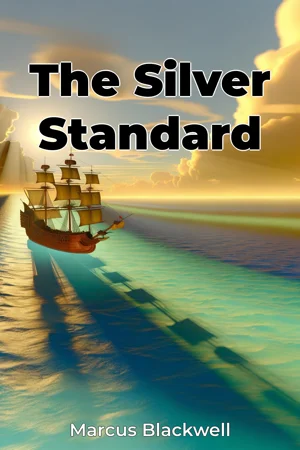
About This Book
Have you ever considered the silent power that silver once held over global empires and economies? "The Silver Standard" delves into the fascinating history of silver, revealing its pivotal role in shaping world commerce and monetary systems long before the age of paper currency. This book explores how silver's unique properties transformed it into a globally recognized store of value, driving trade, influencing political power, and ultimately paving the way for modern financial structures. Two key topics explored are the establishment of silver as a monetary standard and its impact on international trade routes. We examine the historical context in which silver rose to prominence, analyzing the social, political, and technological factors that contributed to its widespread adoption. This includes exploring the global silver trade networks, such as the Manila galleons that connected the Americas with Asia, and the impact of major silver discoveries on global markets. Understanding these networks is crucial to appreciating the full impact of silver on global history. The central argument proposes that silver was not merely a commodity but the linchpin of early globalization, fostering interconnectedness across continents in ways previously unimaginable. Its inherent characteristics – malleability, durability, and relative scarcity – made it ideally suited for coinage and large-scale transactions. The book begins by introducing the concept of commodity money and its evolution, setting the stage for silver’s ascendance. It then moves to analyze specific historical periods and regions, detailing the production, distribution, and use of silver in various economic systems. Major points include: 1) the Spanish silver boom in the Americas and its consequences for Europe and Asia. 2) The significance of silver in facilitating trade between Europe and China during the Ming and Qing dynasties. 3) The eventual decline of the silver standard and its replacement by gold and fiat currencies. The book culminates by exploring the legacy of the silver standard and its relevance to current debates about monetary policy and global trade imbalances and draws parallels with modern digital currencies debate. The evidence presented will draw from historical archives, economic data, and numismatic collections. We will analyze trade records, minting statistics, and contemporary accounts to reconstruct the flow of silver across the globe. The methodology employs both quantitative and qualitative analysis, combining economic modeling with historical narrative to provide a comprehensive understanding. Interdisciplinary connections are made to fields such as economic history, political science, and anthropology. For example, we explore how silver mining impacted indigenous populations and colonial power dynamics. The book's approach is unique in its global perspective, connecting disparate regions and historical periods through the common thread of silver. Written in a fact-based style, it aims to be accessible to a wide audience, including students, researchers, and anyone interested in the history of money and global trade. The target audience includes readers interested in economic history, world history, and international relations. Understanding the silver standard provides insights into the evolution of our modern global financial system. The scope is broad, covering several centuries and multiple continents, but it is limited by its focus on silver as the primary driver of economic change. While other commodities certainly played a role, the book argues for silver's unique position as a facilitator of early globalization. The information can be applied practically to understanding current debates about monetary policy and international trade by examining the historical consequences of different monetary systems. The book addresses ongoing debates about the role of precious metals in the global economy.
Have you ever considered the silent power that silver once held over global empires and economies? "The Silver Standard" delves into the fascinating history of silver, revealing its pivotal role in shaping world commerce and monetary systems long before the age of paper currency. This book explores how silver's unique properties transformed it into a globally recognized store of value, driving trade, influencing political power, and ultimately paving the way for modern financial structures. Two key topics explored are the establishment of silver as a monetary standard and its impact on international trade routes. We examine the historical context in which silver rose to prominence, analyzing the social, political, and technological factors that contributed to its widespread adoption. This includes exploring the global silver trade networks, such as the Manila galleons that connected the Americas with Asia, and the impact of major silver discoveries on global markets. Understanding these networks is crucial to appreciating the full impact of silver on global history. The central argument proposes that silver was not merely a commodity but the linchpin of early globalization, fostering interconnectedness across continents in ways previously unimaginable. Its inherent characteristics – malleability, durability, and relative scarcity – made it ideally suited for coinage and large-scale transactions. The book begins by introducing the concept of commodity money and its evolution, setting the stage for silver’s ascendance. It then moves to analyze specific historical periods and regions, detailing the production, distribution, and use of silver in various economic systems. Major points include: 1) the Spanish silver boom in the Americas and its consequences for Europe and Asia. 2) The significance of silver in facilitating trade between Europe and China during the Ming and Qing dynasties. 3) The eventual decline of the silver standard and its replacement by gold and fiat currencies. The book culminates by exploring the legacy of the silver standard and its relevance to current debates about monetary policy and global trade imbalances and draws parallels with modern digital currencies debate. The evidence presented will draw from historical archives, economic data, and numismatic collections. We will analyze trade records, minting statistics, and contemporary accounts to reconstruct the flow of silver across the globe. The methodology employs both quantitative and qualitative analysis, combining economic modeling with historical narrative to provide a comprehensive understanding. Interdisciplinary connections are made to fields such as economic history, political science, and anthropology. For example, we explore how silver mining impacted indigenous populations and colonial power dynamics. The book's approach is unique in its global perspective, connecting disparate regions and historical periods through the common thread of silver. Written in a fact-based style, it aims to be accessible to a wide audience, including students, researchers, and anyone interested in the history of money and global trade. The target audience includes readers interested in economic history, world history, and international relations. Understanding the silver standard provides insights into the evolution of our modern global financial system. The scope is broad, covering several centuries and multiple continents, but it is limited by its focus on silver as the primary driver of economic change. While other commodities certainly played a role, the book argues for silver's unique position as a facilitator of early globalization. The information can be applied practically to understanding current debates about monetary policy and international trade by examining the historical consequences of different monetary systems. The book addresses ongoing debates about the role of precious metals in the global economy.
"The Silver Standard" explores how silver once acted as a silent power, influencing global empires and economies, far preceding modern paper currency. The book highlights silver's critical role in shaping world commerce and monetary systems, examining its rise as a globally recognized store of value. One intriguing aspect is how silver's inherent qualities, like malleability and relative scarcity, made it perfect for coinage, driving trade and impacting political power. The book argues that silver was more than just a commodity; it was the linchpin of early globalization, connecting continents in unprecedented ways. The book uses a global perspective connecting disparate regions and historical periods through silver. Beginning with the concept of commodity money, it progresses to analyzing specific historical periods and regions, detailing silver's production, distribution, and use in various economies. A key point is the examination of the Spanish silver boom in the Americas and its effects on Europe and Asia. The book concludes by exploring the legacy of the silver standard, drawing parallels to current monetary policy debates and modern discussions about digital currencies.
Book Details
ISBN
9788233984915
Publisher
Publifye AS
Your Licenses
You don't own any licenses for this book
Purchase a license below to unlock this book and download the EPUB.
Purchase License
Select a tier to unlock this book
Need bulk licensing?
Contact us for enterprise agreements.