
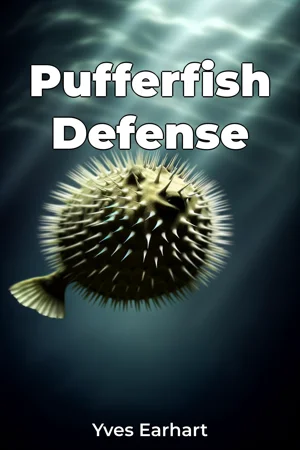
About This Book
Did you know that a seemingly harmless fish can inflate into a spiky sphere and deliver a potent neurotoxin? "Pufferfish Defense" delves into the fascinating world of pufferfish, exploring their unique defense mechanisms and the biological intricacies that make them masters of survival. This book offers a comprehensive look into the pufferfish's inflation ability and toxin production, crucial topics for understanding predator-prey dynamics and the evolution of defense strategies in the animal kingdom. Understanding these mechanisms is also relevant to human health, as pufferfish toxicity poses a significant threat through the consumption of improperly prepared fish. This book examines the evolutionary origins, biological processes, and ecological implications of pufferfish defenses. It addresses the central argument that pufferfish defense mechanisms, while effective, are not without trade-offs and are significantly impacted by environmental changes and human activities. The book's structure begins with an introduction to the diverse species of pufferfish and their global distribution. It then systematically explores the two primary defense strategies: inflation and tetrodotoxin (TTX) production. A dedicated section examines the biomechanics of inflation, detailing the specialized organs and musculature involved, and the physiological adaptations that allow pufferfish to survive this drastic change in body shape. The book further investigates the biosynthesis, distribution, and ecological roles of TTX, including its sources, accumulation in pufferfish tissues, and effects on predators. The book culminates in a discussion on the evolutionary pressures that have shaped these defense mechanisms and the conservation challenges facing pufferfish populations due to overfishing and habitat degradation. The evidence and research presented in this book draw from a wide range of sources, including primary scientific literature, field studies, and laboratory experiments. Data on pufferfish morphology, physiology, toxicology, and behavior are synthesized to provide a holistic understanding of their defense strategies. Furthermore, the book integrates findings from genomics and proteomics to shed light on the genetic basis of TTX production and the molecular mechanisms underlying inflation. Interdisciplinary connections are a key feature of "Pufferfish Defense." Firstly, it touches upon the field of toxicology, examining the potent effects of TTX on the nervous system and its potential as a pharmaceutical agent. Secondly, it relates to evolutionary biology, exploring the selective pressures that have driven the development of pufferfish defenses. Thirdly, the book connects to marine conservation, highlighting the impacts of human activities on pufferfish populations and the importance of sustainable fisheries management. This book adopts an approachable tone, presenting complex scientific information in a clear and engaging manner, making it suitable for students, researchers, and anyone with an interest in marine biology and animal behavior. The intended audience includes undergraduate and graduate students in biology, ecology, and zoology, as well as researchers studying predator-prey interactions, toxicology, and marine conservation. This book is valuable because it provides a comprehensive and up-to-date overview of pufferfish defenses, synthesizing information from diverse fields and offering insights into the ecological and evolutionary significance of these remarkable adaptations, adhering to the standards of scientific literature. The scope of this book is limited to the defensive mechanisms of pufferfish, specifically inflation and TTX production. While other aspects of pufferfish biology, such as their reproductive behavior and diet, are mentioned, they are not the primary focus. The book addresses the ongoing debate surrounding the origin of TTX in pufferfish, presenting evidence for both endogenous production and exogenous accumulation from dietary sources. The knowledge within the book can be applied in toxicology research, conservation efforts related to marine ecosystems, and sustainable fishing practices to safeguard pufferfish populations and those who consume them.
Did you know that a seemingly harmless fish can inflate into a spiky sphere and deliver a potent neurotoxin? "Pufferfish Defense" delves into the fascinating world of pufferfish, exploring their unique defense mechanisms and the biological intricacies that make them masters of survival. This book offers a comprehensive look into the pufferfish's inflation ability and toxin production, crucial topics for understanding predator-prey dynamics and the evolution of defense strategies in the animal kingdom. Understanding these mechanisms is also relevant to human health, as pufferfish toxicity poses a significant threat through the consumption of improperly prepared fish. This book examines the evolutionary origins, biological processes, and ecological implications of pufferfish defenses. It addresses the central argument that pufferfish defense mechanisms, while effective, are not without trade-offs and are significantly impacted by environmental changes and human activities. The book's structure begins with an introduction to the diverse species of pufferfish and their global distribution. It then systematically explores the two primary defense strategies: inflation and tetrodotoxin (TTX) production. A dedicated section examines the biomechanics of inflation, detailing the specialized organs and musculature involved, and the physiological adaptations that allow pufferfish to survive this drastic change in body shape. The book further investigates the biosynthesis, distribution, and ecological roles of TTX, including its sources, accumulation in pufferfish tissues, and effects on predators. The book culminates in a discussion on the evolutionary pressures that have shaped these defense mechanisms and the conservation challenges facing pufferfish populations due to overfishing and habitat degradation. The evidence and research presented in this book draw from a wide range of sources, including primary scientific literature, field studies, and laboratory experiments. Data on pufferfish morphology, physiology, toxicology, and behavior are synthesized to provide a holistic understanding of their defense strategies. Furthermore, the book integrates findings from genomics and proteomics to shed light on the genetic basis of TTX production and the molecular mechanisms underlying inflation. Interdisciplinary connections are a key feature of "Pufferfish Defense." Firstly, it touches upon the field of toxicology, examining the potent effects of TTX on the nervous system and its potential as a pharmaceutical agent. Secondly, it relates to evolutionary biology, exploring the selective pressures that have driven the development of pufferfish defenses. Thirdly, the book connects to marine conservation, highlighting the impacts of human activities on pufferfish populations and the importance of sustainable fisheries management. This book adopts an approachable tone, presenting complex scientific information in a clear and engaging manner, making it suitable for students, researchers, and anyone with an interest in marine biology and animal behavior. The intended audience includes undergraduate and graduate students in biology, ecology, and zoology, as well as researchers studying predator-prey interactions, toxicology, and marine conservation. This book is valuable because it provides a comprehensive and up-to-date overview of pufferfish defenses, synthesizing information from diverse fields and offering insights into the ecological and evolutionary significance of these remarkable adaptations, adhering to the standards of scientific literature. The scope of this book is limited to the defensive mechanisms of pufferfish, specifically inflation and TTX production. While other aspects of pufferfish biology, such as their reproductive behavior and diet, are mentioned, they are not the primary focus. The book addresses the ongoing debate surrounding the origin of TTX in pufferfish, presenting evidence for both endogenous production and exogenous accumulation from dietary sources. The knowledge within the book can be applied in toxicology research, conservation efforts related to marine ecosystems, and sustainable fishing practices to safeguard pufferfish populations and those who consume them.
"Pufferfish Defense" explores the remarkable survival strategies of pufferfish, focusing on their inflation mechanism and the production of tetrodotoxin (TTX), a potent neurotoxin. These defenses are vital for understanding predator-prey dynamics and the evolutionary arms race in marine environments. One intriguing aspect is how pufferfish inflate their bodies, a process involving specialized organs and musculature enabling them to drastically change shape to deter predators. The book argues that while effective, these defense mechanisms have trade-offs and are threatened by environmental changes and human activities. The book begins by introducing the diversity of pufferfish species and their global distribution, then delves into the biomechanics of inflation and the biosynthesis of TTX. It examines the ecological roles of TTX, including its sources and effects on predators. Drawing from primary scientific literature, field studies, and genomic data, "Pufferfish Defense" integrates findings from toxicology, evolutionary biology, and marine conservation. The book culminates by discussing the evolutionary pressures shaping these defenses and the conservation challenges facing pufferfish populations.
Book Details
ISBN
9788233984892
Publisher
Publifye AS
Your Licenses
You don't own any licenses for this book
Purchase a license below to unlock this book and download the EPUB.
Purchase License
Select a tier to unlock this book
Need bulk licensing?
Contact us for enterprise agreements.