
About This Book
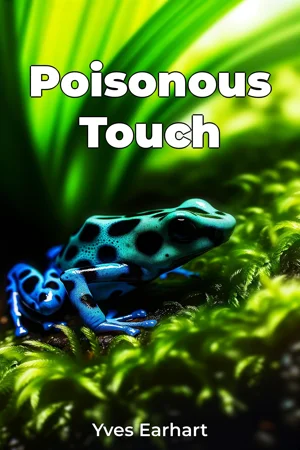
What if a single touch could be deadly? "Poisonous Touch" delves into the fascinating and often perilous world of creatures that wield toxicity as their primary defense. This book explores the diverse strategies employed by animals with poisonous skin and spines, highlighting their ecological significance and the evolutionary pressures that have shaped their unique arsenals. We examine these natural phenomena through the lens of biology, ecology, and evolutionary science. The central argument of "Poisonous Touch" is that the evolution of topical poisons represents a crucial adaptation for survival in a competitive and predator-filled world. These defensive mechanisms, while offering protection to their wielders, also exert significant influence on predator-prey dynamics and broader ecosystem stability. Understanding these dynamics offers crucial insights into the ongoing evolutionary arms race in nature. The book begins by introducing the fundamental concepts of toxicity, exploring the chemical nature of venoms and poisons, and differentiating between poisonous and venomous organisms. A critical foundation in toxicology and evolutionary principles is established, ensuring the reader is prepared for the detailed explorations that follow. Following the foundational concepts, "Poisonous Touch" is structured into three major sections. The first section will survey a broad range of poisonous creatures, from the well-known poison dart frogs of South America to the less familiar toxic sea slugs of the Indo-Pacific. Each chapter will focus on a specific group of organisms, detailing the type of poison they possess, the mechanism of delivery (or contact), and its effectiveness against various predators. The second section will explore the evolutionary origins of these defenses, investigating the genetic mutations and selective pressures that have led to the development of poisonous skin and spines. This section will also cover the ecological impacts of poisonous species, including their role in regulating prey populations and shaping community structure. Special attention will be paid to case studies, such as the introduction of cane toads to Australia, to illustrate the potential ecological consequences of introducing a highly toxic species into a new environment. The third section covers the impacts on humans and examines potential medical breakthroughs. The arguments presented are supported by extensive scientific research, drawing on data from field studies, laboratory experiments, and genomic analyses. We present data from scientific publications, and physiological studies to explain the content. "Poisonous Touch" is connected to several other fields of study. Toxicology helps in understanding the biochemical and physiological mechanisms of these poisons. Ecology provides a context for understanding the role of poisonous organisms in their ecosystems. Medicine is connected by examining the potential for discovering novel drugs derived from natural toxins. What sets "Poisonous Touch" apart is its comprehensive approach, synthesizing information from multiple disciplines to provide a holistic understanding of topical poisons in the animal kingdom. The book is written in a clear and engaging style, designed to be accessible to a broad audience, including students, researchers, and anyone with an interest in natural history and evolutionary biology. The target audience includes undergraduate and graduate students in biology, ecology, and zoology, as well as nature enthusiasts, conservationists, and anyone curious about the wonders and perils of the natural world. This book offers valuable insights into the complex interplay of natural selection, adaptation, and ecological interactions. As a work of non-fiction, "Poisonous Touch" adheres to the highest standards of scientific accuracy and objectivity. While the book covers a wide range of species and topics, it is important to note that the focus is primarily on terrestrial and aquatic animals with topical poisons (skin or spines). The book does not delve into the complexities of poisonous plants or microorganisms. The information contained within could be applied to practical applications. These can be applied to conservation efforts, and the development of novel biomaterials. "Poisonous Touch" confronts several ongoing debates within the scientific community, such as the relative importance of genetic drift versus natural selection in the evolution of toxicity, and the ethical considerations surrounding the use of animal toxins in medical research. By presenting a balanced perspective on these issues, the book encourages critical thinking and informed discussion.
What if a single touch could be deadly? "Poisonous Touch" delves into the fascinating and often perilous world of creatures that wield toxicity as their primary defense. This book explores the diverse strategies employed by animals with poisonous skin and spines, highlighting their ecological significance and the evolutionary pressures that have shaped their unique arsenals. We examine these natural phenomena through the lens of biology, ecology, and evolutionary science. The central argument of "Poisonous Touch" is that the evolution of topical poisons represents a crucial adaptation for survival in a competitive and predator-filled world. These defensive mechanisms, while offering protection to their wielders, also exert significant influence on predator-prey dynamics and broader ecosystem stability. Understanding these dynamics offers crucial insights into the ongoing evolutionary arms race in nature. The book begins by introducing the fundamental concepts of toxicity, exploring the chemical nature of venoms and poisons, and differentiating between poisonous and venomous organisms. A critical foundation in toxicology and evolutionary principles is established, ensuring the reader is prepared for the detailed explorations that follow. Following the foundational concepts, "Poisonous Touch" is structured into three major sections. The first section will survey a broad range of poisonous creatures, from the well-known poison dart frogs of South America to the less familiar toxic sea slugs of the Indo-Pacific. Each chapter will focus on a specific group of organisms, detailing the type of poison they possess, the mechanism of delivery (or contact), and its effectiveness against various predators. The second section will explore the evolutionary origins of these defenses, investigating the genetic mutations and selective pressures that have led to the development of poisonous skin and spines. This section will also cover the ecological impacts of poisonous species, including their role in regulating prey populations and shaping community structure. Special attention will be paid to case studies, such as the introduction of cane toads to Australia, to illustrate the potential ecological consequences of introducing a highly toxic species into a new environment. The third section covers the impacts on humans and examines potential medical breakthroughs. The arguments presented are supported by extensive scientific research, drawing on data from field studies, laboratory experiments, and genomic analyses. We present data from scientific publications, and physiological studies to explain the content. "Poisonous Touch" is connected to several other fields of study. Toxicology helps in understanding the biochemical and physiological mechanisms of these poisons. Ecology provides a context for understanding the role of poisonous organisms in their ecosystems. Medicine is connected by examining the potential for discovering novel drugs derived from natural toxins. What sets "Poisonous Touch" apart is its comprehensive approach, synthesizing information from multiple disciplines to provide a holistic understanding of topical poisons in the animal kingdom. The book is written in a clear and engaging style, designed to be accessible to a broad audience, including students, researchers, and anyone with an interest in natural history and evolutionary biology. The target audience includes undergraduate and graduate students in biology, ecology, and zoology, as well as nature enthusiasts, conservationists, and anyone curious about the wonders and perils of the natural world. This book offers valuable insights into the complex interplay of natural selection, adaptation, and ecological interactions. As a work of non-fiction, "Poisonous Touch" adheres to the highest standards of scientific accuracy and objectivity. While the book covers a wide range of species and topics, it is important to note that the focus is primarily on terrestrial and aquatic animals with topical poisons (skin or spines). The book does not delve into the complexities of poisonous plants or microorganisms. The information contained within could be applied to practical applications. These can be applied to conservation efforts, and the development of novel biomaterials. "Poisonous Touch" confronts several ongoing debates within the scientific community, such as the relative importance of genetic drift versus natural selection in the evolution of toxicity, and the ethical considerations surrounding the use of animal toxins in medical research. By presenting a balanced perspective on these issues, the book encourages critical thinking and informed discussion.
"Poisonous Touch" explores the fascinating realm of animals employing topical poisons as a defense mechanism, revealing their ecological significance and the evolutionary pressures that shaped their toxicity. The book examines creatures like poison dart frogs and toxic sea slugs, detailing their unique poisons and delivery methods. It highlights how the evolution of these defenses is a crucial adaptation for survival, significantly influencing predator-prey dynamics and ecosystem stability. The book delves into the evolutionary origins of these defenses, exploring genetic mutations and selective pressures. "Poisonous Touch" also investigates the ecological impacts of poisonous species, illustrated by case studies like the introduction of cane toads to Australia. The book's comprehensive approach synthesizes information from biology, ecology, and evolutionary science. Structured in three major sections, "Poisonous Touch" begins with foundational concepts of toxicity. It then surveys a range of poisonous creatures and their evolutionary origins, before examining the impacts on humans and potential medical breakthroughs. This approach provides a holistic understanding of topical poisons in the animal kingdom, making it valuable for students, researchers, and nature enthusiasts alike.
Book Details
ISBN
9788233984656
Publisher
Publifye AS
Your Licenses
You don't own any licenses for this book
Purchase a license below to unlock this book and download the EPUB.
Purchase License
Select a tier to unlock this book
Need bulk licensing?
Contact us for enterprise agreements.