
About This Book
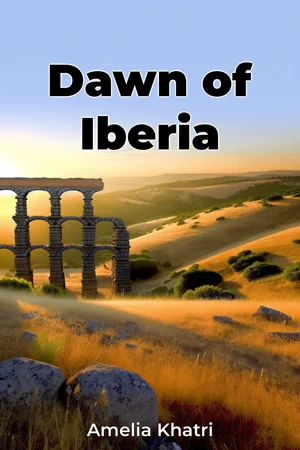
What if the seeds of modern European identity were sown not in Rome or Greece, but on the Iberian Peninsula? "Dawn of Iberia" delves into the captivating, often overlooked history of Spain and Portugal, exploring the foundations of Iberian culture from its earliest inhabitants to the cusp of its global expansion. This book examines the peninsula's formative stages, highlighting the complex interplay of indigenous populations, invading empires, and cultural exchanges that shaped its unique identity. We will primarily focus on three pivotal areas. First, the pre-Roman civilizations, including the Iberians, Celts, and Tartessians, will be investigated, exploring their social structures, religious practices, and artistic achievements. Second, the impact of Roman conquest and subsequent Visigothic rule will be analyzed, revealing how Roman law, language, and infrastructure transformed the peninsula, while the Visigoths adapted and reshaped Roman institutions. Third, the emergence of distinct Iberian kingdoms in the wake of the Islamic conquest will be examined, tracing the slow, centuries-long process of reconquest and the development of unique cultural and political identities in regions like Castile, Aragon, and Portugal. These aspects are foundational to understanding the peninsula's trajectory and its later impact on the world. The narrative unfolds against a backdrop of shifting political landscapes and cultural interactions. Understanding the geography of Iberia – its diverse climates, mountain ranges, and access to both the Atlantic and Mediterranean – is crucial to understanding settlement patterns and trade routes. The book’s central argument posits that Iberian culture is not simply a derivative of other European powers, but a distinct entity forged through a unique confluence of influences and internal developments, a dynamic blend of indigenous traditions, Roman legacies, Germanic contributions, and Islamic influences. The book is structured chronologically, beginning with an exploration of the archaeological evidence of early human settlements and pre-Roman cultures. It progresses through the Roman period, examining the processes of Romanization and the rise of key Iberian cities. A substantial section is dedicated to the Visigothic kingdom, analyzing its legal codes, religious institutions, and interactions with the Byzantine Empire. Finally, the book culminates with the Islamic invasion of 711 AD and the subsequent rise of Christian kingdoms in the north, tracing the evolving political map of the peninsula and the formation of distinct Iberian identities. Evidence presented will draw from archaeological findings, Roman and Visigothic legal texts, early medieval chronicles and histories, and surviving examples of art and architecture. Primary source analysis will be complemented by the latest research in Iberian history, archaeology, and linguistics. "Dawn of Iberia" connects to various academic disciplines including archaeology, linguistics, and art history, enriching the understanding of Iberian culture. It offers a fresh perspective by emphasizing the peninsula's agency in shaping its own destiny, challenging Eurocentric narratives that often marginalize the region's contributions. The tone is academic yet accessible, aiming to engage both scholars and general readers interested in European history. The target audience includes students of history, travelers interested in understanding the cultural heritage of Spain and Portugal, and anyone seeking a deeper understanding of the roots of Iberian identity. The book offers real-world insights into understanding contemporary regional identities within Spain and Portugal, shedding light on the historical roots of modern-day separatist movements and cultural tensions. While covering a vast sweep of history, the book deliberately limits its scope to the period before the Age of Exploration, focusing on the formative centuries that shaped the Iberian Peninsula. The Reconquista, with its complex religious and political dimensions, includes conflicting historical interpretations, and this book will explore these controversies and different viewpoints.
What if the seeds of modern European identity were sown not in Rome or Greece, but on the Iberian Peninsula? "Dawn of Iberia" delves into the captivating, often overlooked history of Spain and Portugal, exploring the foundations of Iberian culture from its earliest inhabitants to the cusp of its global expansion. This book examines the peninsula's formative stages, highlighting the complex interplay of indigenous populations, invading empires, and cultural exchanges that shaped its unique identity. We will primarily focus on three pivotal areas. First, the pre-Roman civilizations, including the Iberians, Celts, and Tartessians, will be investigated, exploring their social structures, religious practices, and artistic achievements. Second, the impact of Roman conquest and subsequent Visigothic rule will be analyzed, revealing how Roman law, language, and infrastructure transformed the peninsula, while the Visigoths adapted and reshaped Roman institutions. Third, the emergence of distinct Iberian kingdoms in the wake of the Islamic conquest will be examined, tracing the slow, centuries-long process of reconquest and the development of unique cultural and political identities in regions like Castile, Aragon, and Portugal. These aspects are foundational to understanding the peninsula's trajectory and its later impact on the world. The narrative unfolds against a backdrop of shifting political landscapes and cultural interactions. Understanding the geography of Iberia – its diverse climates, mountain ranges, and access to both the Atlantic and Mediterranean – is crucial to understanding settlement patterns and trade routes. The book’s central argument posits that Iberian culture is not simply a derivative of other European powers, but a distinct entity forged through a unique confluence of influences and internal developments, a dynamic blend of indigenous traditions, Roman legacies, Germanic contributions, and Islamic influences. The book is structured chronologically, beginning with an exploration of the archaeological evidence of early human settlements and pre-Roman cultures. It progresses through the Roman period, examining the processes of Romanization and the rise of key Iberian cities. A substantial section is dedicated to the Visigothic kingdom, analyzing its legal codes, religious institutions, and interactions with the Byzantine Empire. Finally, the book culminates with the Islamic invasion of 711 AD and the subsequent rise of Christian kingdoms in the north, tracing the evolving political map of the peninsula and the formation of distinct Iberian identities. Evidence presented will draw from archaeological findings, Roman and Visigothic legal texts, early medieval chronicles and histories, and surviving examples of art and architecture. Primary source analysis will be complemented by the latest research in Iberian history, archaeology, and linguistics. "Dawn of Iberia" connects to various academic disciplines including archaeology, linguistics, and art history, enriching the understanding of Iberian culture. It offers a fresh perspective by emphasizing the peninsula's agency in shaping its own destiny, challenging Eurocentric narratives that often marginalize the region's contributions. The tone is academic yet accessible, aiming to engage both scholars and general readers interested in European history. The target audience includes students of history, travelers interested in understanding the cultural heritage of Spain and Portugal, and anyone seeking a deeper understanding of the roots of Iberian identity. The book offers real-world insights into understanding contemporary regional identities within Spain and Portugal, shedding light on the historical roots of modern-day separatist movements and cultural tensions. While covering a vast sweep of history, the book deliberately limits its scope to the period before the Age of Exploration, focusing on the formative centuries that shaped the Iberian Peninsula. The Reconquista, with its complex religious and political dimensions, includes conflicting historical interpretations, and this book will explore these controversies and different viewpoints.
"Dawn of Iberia" explores the rich and often overlooked history of the Iberian Peninsula, from its earliest inhabitants to the cusp of its global expansion. It challenges the idea that European identity solely stems from Rome or Greece, positing that Iberia, encompassing modern Spain and Portugal, developed a unique culture through the fusion of indigenous traditions, Roman legacies, Germanic contributions, and Islamic influences. Intriguingly, the book reveals how pre-Roman civilizations like the Iberians, Celts, and Tartessians laid the groundwork for later Iberian societies, showcasing their sophisticated social structures and artistic achievements. Moreover, it examines how the Visigothic Kingdom adapted and reshaped Roman institutions, contributing to the peninsula's evolving identity. The book progresses chronologically, starting with archaeological evidence of early settlements and pre-Roman cultures, then moves through the Roman period, the Visigothic era, and culminates with the Islamic invasion and the rise of Christian kingdoms. This approach highlights the peninsula's agency in shaping its own destiny. By examining archaeological findings, legal texts, and early medieval chronicles, "Dawn of Iberia" provides a fresh perspective on European History, Iberian Identity, and the complex interplay of cultures that shaped the peninsula before its age of exploration.
Book Details
ISBN
9788233984618
Publisher
Publifye AS
Your Licenses
You don't own any licenses for this book
Purchase a license below to unlock this book and download the EPUB.
Purchase License
Select a tier to unlock this book
Need bulk licensing?
Contact us for enterprise agreements.