
About This Book
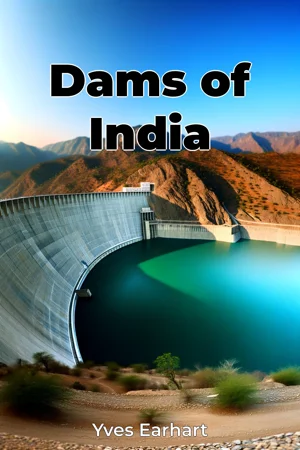
Can India’s vast network of dams be considered monuments of progress, or are they complex engineering interventions with far-reaching and often debated consequences? "Dams of India" delves into understanding these structures, examining their significance in shaping the nation's water resources, power generation, and agricultural landscape. This book explores the intricate relationship between dam construction and India’s developmental trajectory, environmental impact, and socio-economic realities. The book is structured around three core themes: the engineering and technological facets of dam construction, the impact of dams on irrigation and power generation, and the subsequent socio-economic and environmental consequences. These areas are crucial because dams represent substantial technological achievements, drive vital sectors of the Indian economy, and simultaneously pose significant challenges to ecological balance and the displacement of communities. "Dams of India" addresses the historical context of dam construction in India, tracing its evolution from ancient water harvesting systems to the mega-dam projects of the post-independence era. Social factors, such as resettlement and rehabilitation of displaced populations, and scientific factors like geological considerations for site selection, are also discussed. The central argument of this book is that a holistic understanding of dams requires a synthesis of engineering, environmental science, and social science perspectives. It emphasizes the need for sustainable dam management practices that minimize environmental impact and maximize benefits for all stakeholders. The book is organized into distinct sections, commencing with an introduction to fundamental dam engineering principles, including dam types, design considerations, and construction methods. It then transitions to an analysis of major Indian dams, categorized by region and purpose, detailing their capacity, command area, and power generation capabilities. The book further delves into the socio-economic impacts of dams, documenting case studies of displacement, livelihood changes, and the effectiveness of resettlement policies. Finally, it examines the environmental consequences of dam construction, including altered river ecosystems, deforestation, and seismic activity. The arguments presented in this book are supported by extensive data from government reports, academic research, and field studies. The book also draws from case studies of representative dams across India, providing concrete examples of the challenges and successes associated with dam construction and operation. Methodologically, the book employs a multidisciplinary approach, integrating engineering analysis with environmental impact assessments and socio-economic surveys. "Dams of India" connects to several other fields of study, including civil engineering, environmental science, and development economics. The book examines the ethical considerations surrounding large-scale infrastructure projects, thereby linking it to philosophy and ethics. It also connects to political science when discussing the governmental policies relating to large dam projects. This book adopts a balanced and objective tone, aiming to present a comprehensive overview of the complexities associated with dam construction in India. It avoids sensationalism and instead focuses on providing factual information and nuanced analysis. The intended audience includes students and researchers in engineering, environmental science, geography, and development studies. Policymakers, NGOs, and anyone interested in India's water resources and infrastructure development will also find this book valuable. As a non-fiction work in technology, earth sciences, and geography, the book adheres to principles of accuracy, objectivity, and clarity. The scope of the book is limited to dams within India, although relevant global examples may be referenced for comparative purposes. It also focuses on the post-independence era, although ancient water management systems are discussed in the historical context. The information presented in this book can be practically applied in the planning, design, and management of water resources projects. It can also inform policy debates related to dam construction, water allocation, and environmental protection. The book addresses ongoing debates surrounding the environmental and social costs of large dams, including controversies related to displacement, environmental degradation, and the effectiveness of mitigation measures. It objectively presents different viewpoints and encourages readers to form their own informed opinions based on the evidence presented.
Can India’s vast network of dams be considered monuments of progress, or are they complex engineering interventions with far-reaching and often debated consequences? "Dams of India" delves into understanding these structures, examining their significance in shaping the nation's water resources, power generation, and agricultural landscape. This book explores the intricate relationship between dam construction and India’s developmental trajectory, environmental impact, and socio-economic realities. The book is structured around three core themes: the engineering and technological facets of dam construction, the impact of dams on irrigation and power generation, and the subsequent socio-economic and environmental consequences. These areas are crucial because dams represent substantial technological achievements, drive vital sectors of the Indian economy, and simultaneously pose significant challenges to ecological balance and the displacement of communities. "Dams of India" addresses the historical context of dam construction in India, tracing its evolution from ancient water harvesting systems to the mega-dam projects of the post-independence era. Social factors, such as resettlement and rehabilitation of displaced populations, and scientific factors like geological considerations for site selection, are also discussed. The central argument of this book is that a holistic understanding of dams requires a synthesis of engineering, environmental science, and social science perspectives. It emphasizes the need for sustainable dam management practices that minimize environmental impact and maximize benefits for all stakeholders. The book is organized into distinct sections, commencing with an introduction to fundamental dam engineering principles, including dam types, design considerations, and construction methods. It then transitions to an analysis of major Indian dams, categorized by region and purpose, detailing their capacity, command area, and power generation capabilities. The book further delves into the socio-economic impacts of dams, documenting case studies of displacement, livelihood changes, and the effectiveness of resettlement policies. Finally, it examines the environmental consequences of dam construction, including altered river ecosystems, deforestation, and seismic activity. The arguments presented in this book are supported by extensive data from government reports, academic research, and field studies. The book also draws from case studies of representative dams across India, providing concrete examples of the challenges and successes associated with dam construction and operation. Methodologically, the book employs a multidisciplinary approach, integrating engineering analysis with environmental impact assessments and socio-economic surveys. "Dams of India" connects to several other fields of study, including civil engineering, environmental science, and development economics. The book examines the ethical considerations surrounding large-scale infrastructure projects, thereby linking it to philosophy and ethics. It also connects to political science when discussing the governmental policies relating to large dam projects. This book adopts a balanced and objective tone, aiming to present a comprehensive overview of the complexities associated with dam construction in India. It avoids sensationalism and instead focuses on providing factual information and nuanced analysis. The intended audience includes students and researchers in engineering, environmental science, geography, and development studies. Policymakers, NGOs, and anyone interested in India's water resources and infrastructure development will also find this book valuable. As a non-fiction work in technology, earth sciences, and geography, the book adheres to principles of accuracy, objectivity, and clarity. The scope of the book is limited to dams within India, although relevant global examples may be referenced for comparative purposes. It also focuses on the post-independence era, although ancient water management systems are discussed in the historical context. The information presented in this book can be practically applied in the planning, design, and management of water resources projects. It can also inform policy debates related to dam construction, water allocation, and environmental protection. The book addresses ongoing debates surrounding the environmental and social costs of large dams, including controversies related to displacement, environmental degradation, and the effectiveness of mitigation measures. It objectively presents different viewpoints and encourages readers to form their own informed opinions based on the evidence presented.
"Dams of India" explores the multifaceted role of dams in shaping India's water resources, power generation, and agricultural landscape. It examines how these massive engineering projects have influenced the nation's development, while also considering the environmental and socio-economic consequences. The book highlights the historical evolution of dam construction in India, from ancient water harvesting systems to modern mega-dams. Intriguingly, dam construction often involves geological considerations for site selection, and the book emphasizes the necessity of sustainable dam management practices to mitigate environmental impacts and maximize benefits for all stakeholders. The book progresses through distinct sections, beginning with an introduction to dam engineering principles and then transitions into analyzing major Indian dams by region and purpose. It further delves into the socio-economic impacts, documenting case studies of displacement and the effectiveness of resettlement policies. Finally, it examines the environmental consequences of dam construction, such as altered river ecosystems and deforestation. This approach provides a comprehensive understanding of the complex challenges and successes associated with dam construction and its profound influence on India's infrastructure development.
Book Details
ISBN
9788233984540
Publisher
Publifye AS
Your Licenses
You don't own any licenses for this book
Purchase a license below to unlock this book and download the EPUB.
Purchase License
Select a tier to unlock this book
Need bulk licensing?
Contact us for enterprise agreements.