
About This Book
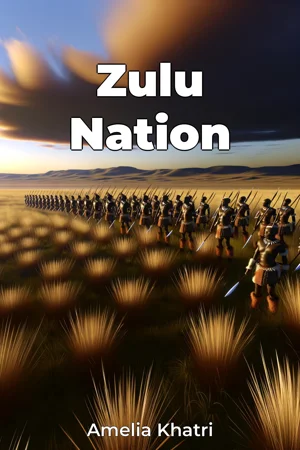
How did a relatively small tribe in Southern Africa rise to become one of the most formidable military powers of the 19th century? Zulu Nation unveils the compelling story of the Zulu kingdom, its innovative military strategies, and the profound impact of its most influential leader, Shaka Zulu, on the course of African and military history. This book delves into the heart of the Zulu empire, examining its formation, its unparalleled military organization, and its enduring legacy. At the core of our exploration are three key themes: the military revolution orchestrated by Shaka Zulu, the socio-political structures that underpinned the Zulu kingdom's power, and the long-term consequences of Zulu expansion and conflict in Southern Africa. Understanding these topics is critical to appreciating not only the Zulu people’s remarkable achievements, but also the complexities of pre-colonial African history and the impact of military innovation on state formation. To fully grasp the rise of the Zulu nation, it is essential to understand the pre-existing social and political landscape of Southern Africa. The region was characterized by numerous small chiefdoms and clans, often engaged in competition for resources and influence. Shaka's genius lay in his ability to consolidate these disparate groups into a unified and highly disciplined fighting force. Zulu Nation argues that Shaka Zulu’s military reforms were not merely tactical adjustments, but a fundamental reshaping of Zulu society. He instituted a system of regimental barracks, standardized weaponry, and introduced innovative battle formations, transforming warfare and enabling the Zulu to conquer and absorb neighboring territories. This reshaping of the military had a profound and lasting impact on the social and political fabric of the region. The book unfolds in three major sections. First, it introduces the historical context and early life of Shaka, detailing the conditions that facilitated his rise to power. Second, it examines the specifics of Shaka's military innovations, including the iklwa (short stabbing spear), the bull horn formation, and the regimental system. We analyze how these changes contributed to the Zulu's military successes. Third, we assess the consequences of Zulu expansion, focusing on the Mfecane – a period of widespread warfare and displacement. The book culminates by examining the Zulu kingdom's interaction with European colonial powers and its eventual incorporation into South Africa. Our analysis relies on a range of historical sources, including oral traditions, early European accounts, archaeological findings, and anthropological studies. We will critically assess these sources, acknowledging their biases and limitations, to provide a balanced and nuanced portrayal of Zulu history. The history of the Zulu kingdom intersects with various other disciplines, including anthropology, political science, and strategic studies. Anthropological research provides insights into Zulu culture and social organization. Political science helps us understand the dynamics of state formation and consolidation. Strategic studies offer frameworks for analyzing Shaka's military innovations and their impact on warfare. This book offers a fresh perspective by moving beyond simplistic narratives of Shaka as a bloodthirsty tyrant. Instead, we present a nuanced portrait of a complex leader who was both a military innovator and a nation builder. We analyze the internal dynamics of the Zulu kingdom, considering the perspectives of different social groups. Zulu Nation is written in a clear and accessible style, making it suitable for a wide audience. While grounded in rigorous scholarship, the book avoids jargon and technical terms, ensuring that it is engaging and informative for general readers. The target audience includes students of African history, military history enthusiasts, and anyone interested in learning more about the Zulu people and their remarkable achievements. Scholars and researchers will appreciate the book's detailed analysis and critical engagement with primary sources. As a work of military history, this book adheres to conventions of rigorous research and analysis, providing detailed accounts of battles, military strategies, and weapons technology. As history, it emphasizes context, causation, and the interplay of social, political, and economic forces. Zulu Nation focuses primarily on the rise and expansion of the Zulu kingdom and its impact on Southern Africa. It does not delve extensively into the later history of the Zulu people under colonial rule, although these events are addressed in the concluding chapter. The lessons of Zulu history have real-world applications for understanding leadership, military innovation, and the challenges of state building. Shaka's ability to transform a small tribe into a major power offers valuable insights for leaders in any field. The historical interpretation of Shaka Zulu remains subject to debate. Some historians view him as a ruthless dictator, while others emphasize his military genius and nation-building achievements. This book will engage with these different perspectives, presenting a balanced and nuanced assessment of Shaka's legacy.
How did a relatively small tribe in Southern Africa rise to become one of the most formidable military powers of the 19th century? Zulu Nation unveils the compelling story of the Zulu kingdom, its innovative military strategies, and the profound impact of its most influential leader, Shaka Zulu, on the course of African and military history. This book delves into the heart of the Zulu empire, examining its formation, its unparalleled military organization, and its enduring legacy. At the core of our exploration are three key themes: the military revolution orchestrated by Shaka Zulu, the socio-political structures that underpinned the Zulu kingdom's power, and the long-term consequences of Zulu expansion and conflict in Southern Africa. Understanding these topics is critical to appreciating not only the Zulu people’s remarkable achievements, but also the complexities of pre-colonial African history and the impact of military innovation on state formation. To fully grasp the rise of the Zulu nation, it is essential to understand the pre-existing social and political landscape of Southern Africa. The region was characterized by numerous small chiefdoms and clans, often engaged in competition for resources and influence. Shaka's genius lay in his ability to consolidate these disparate groups into a unified and highly disciplined fighting force. Zulu Nation argues that Shaka Zulu’s military reforms were not merely tactical adjustments, but a fundamental reshaping of Zulu society. He instituted a system of regimental barracks, standardized weaponry, and introduced innovative battle formations, transforming warfare and enabling the Zulu to conquer and absorb neighboring territories. This reshaping of the military had a profound and lasting impact on the social and political fabric of the region. The book unfolds in three major sections. First, it introduces the historical context and early life of Shaka, detailing the conditions that facilitated his rise to power. Second, it examines the specifics of Shaka's military innovations, including the iklwa (short stabbing spear), the bull horn formation, and the regimental system. We analyze how these changes contributed to the Zulu's military successes. Third, we assess the consequences of Zulu expansion, focusing on the Mfecane – a period of widespread warfare and displacement. The book culminates by examining the Zulu kingdom's interaction with European colonial powers and its eventual incorporation into South Africa. Our analysis relies on a range of historical sources, including oral traditions, early European accounts, archaeological findings, and anthropological studies. We will critically assess these sources, acknowledging their biases and limitations, to provide a balanced and nuanced portrayal of Zulu history. The history of the Zulu kingdom intersects with various other disciplines, including anthropology, political science, and strategic studies. Anthropological research provides insights into Zulu culture and social organization. Political science helps us understand the dynamics of state formation and consolidation. Strategic studies offer frameworks for analyzing Shaka's military innovations and their impact on warfare. This book offers a fresh perspective by moving beyond simplistic narratives of Shaka as a bloodthirsty tyrant. Instead, we present a nuanced portrait of a complex leader who was both a military innovator and a nation builder. We analyze the internal dynamics of the Zulu kingdom, considering the perspectives of different social groups. Zulu Nation is written in a clear and accessible style, making it suitable for a wide audience. While grounded in rigorous scholarship, the book avoids jargon and technical terms, ensuring that it is engaging and informative for general readers. The target audience includes students of African history, military history enthusiasts, and anyone interested in learning more about the Zulu people and their remarkable achievements. Scholars and researchers will appreciate the book's detailed analysis and critical engagement with primary sources. As a work of military history, this book adheres to conventions of rigorous research and analysis, providing detailed accounts of battles, military strategies, and weapons technology. As history, it emphasizes context, causation, and the interplay of social, political, and economic forces. Zulu Nation focuses primarily on the rise and expansion of the Zulu kingdom and its impact on Southern Africa. It does not delve extensively into the later history of the Zulu people under colonial rule, although these events are addressed in the concluding chapter. The lessons of Zulu history have real-world applications for understanding leadership, military innovation, and the challenges of state building. Shaka's ability to transform a small tribe into a major power offers valuable insights for leaders in any field. The historical interpretation of Shaka Zulu remains subject to debate. Some historians view him as a ruthless dictator, while others emphasize his military genius and nation-building achievements. This book will engage with these different perspectives, presenting a balanced and nuanced assessment of Shaka's legacy.
"Zulu Nation" explores the remarkable ascent of the Zulu kingdom in Southern Africa, focusing on Shaka Zulu's pivotal role in transforming a small tribe into a formidable military power. The book delves into the kingdom's formation, military organization, and lasting impact, highlighting Shaka's innovative strategies such as the "bull horn formation" and the introduction of the "iklwa," a short stabbing spear. Shaka's reforms reshaped Zulu society, allowing them to conquer and absorb neighboring territories. The book examines Shaka's military revolution, the socio-political structures underpinning the Zulu kingdom, and the consequences of Zulu expansion, including the Mfecane, a period of widespread warfare and displacement. It presents a nuanced portrait of Shaka, moving beyond simplistic narratives to analyze his internal kingdom dynamics and consider different social groups' perspectives. The narrative progresses chronologically, starting with the historical context and Shaka's early life, then moves into his military innovations, and concludes with the consequences of Zulu expansion and interactions with European colonial powers.
Book Details
ISBN
9788233984441
Publisher
Publifye AS
Your Licenses
You don't own any licenses for this book
Purchase a license below to unlock this book and download the EPUB.
Purchase License
Select a tier to unlock this book
Need bulk licensing?
Contact us for enterprise agreements.