
About This Book
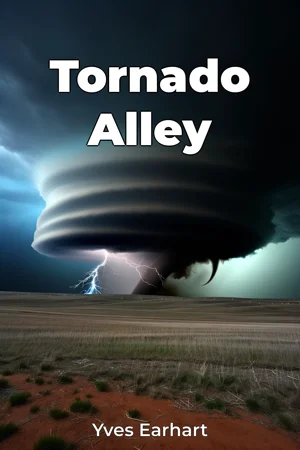
What if understanding the genesis and behavior of tornadoes could dramatically improve community preparedness and potentially save lives? "Tornado Alley" delves into the heart of the most tornado-prone region on Earth, exploring the confluence of atmospheric conditions that make the central United States a hotspot for these devastating storms, and examining the profound effects they have on the communities within their path. This book is important because it provides a comprehensive look at a natural phenomenon that significantly threatens lives, property, and infrastructure, with a view to better inform and protect vulnerable populations. The book will cover three key areas: the meteorological dynamics of tornado formation, the historical impact of tornadoes on communities within Tornado Alley, and the evolving strategies for prediction, mitigation, and response. Tornado Alley itself is a product of geography. The collision of warm, moist air from the Gulf of Mexico with cold, dry air from Canada, coupled with the influence of the Rocky Mountains, creates a volatile atmospheric environment ripe for supercell thunderstorms and, consequently, tornadoes. Understanding these complex interactions is crucial for effective forecasting and risk assessment. "Tornado Alley" argues that a multi-faceted approach, integrating advanced meteorological science, community engagement, and resilient infrastructure, is essential for mitigating the destructive potential of tornadoes. The book traces the progression of our understanding of tornadoes, from early folklore and rudimentary observations to sophisticated forecasting models and Doppler radar technology. We examine the devastating consequences of major tornado outbreaks throughout history, focusing on their social, economic, and psychological impacts on affected populations. The book will analyze case studies of communities that have successfully implemented resilience strategies, highlighting best practices in building codes, emergency management, and public awareness campaigns. The book is structured to provide a thorough exploration of the subject. It begins by introducing the fundamental atmospheric principles that govern tornado formation. It then delves into the history of Tornado Alley, charting major events and their societal impacts. Subsequent sections focus on current research and practical applications, including the use of advanced technologies for prediction, the development of enhanced building standards, and the implementation of effective community preparedness programs. The conclusion synthesizes these elements, offering a roadmap for building more resilient communities in the face of increasing tornado risk. The evidence presented relies on a combination of meteorological data, historical records, sociological studies, and engineering analyses. We will draw on data from the National Oceanic and Atmospheric Administration (NOAA), academic research institutions, and on-the-ground surveys of affected communities. The book intersects with several other fields, including climatology, sociology, civil engineering, and public policy. The book offers a distinctive approach by integrating scientific rigor with practical guidance, emphasizing the importance of community-level action. The tone of the book is informative and accessible, designed to engage both experts and general readers. The target audience includes weather enthusiasts, emergency management professionals, policymakers, and anyone living in or concerned about tornado-prone regions. This book is valuable to them because it provides a deeper understanding of tornado dynamics, and practical strategies for risk reduction and resilience. The book's scope is limited to tornadoes in the central United States, allowing for a focused and in-depth analysis of this specific region. The information in "Tornado Alley" can be applied to improve building codes, enhance emergency response plans, and inform public education campaigns. While the scientific understanding of tornado formation has advanced significantly, debates continue regarding the best strategies for communicating risk to the public and ensuring equitable access to resources for vulnerable populations. The book addresses these controversies by examining different approaches and offering evidence-based recommendations.
What if understanding the genesis and behavior of tornadoes could dramatically improve community preparedness and potentially save lives? "Tornado Alley" delves into the heart of the most tornado-prone region on Earth, exploring the confluence of atmospheric conditions that make the central United States a hotspot for these devastating storms, and examining the profound effects they have on the communities within their path. This book is important because it provides a comprehensive look at a natural phenomenon that significantly threatens lives, property, and infrastructure, with a view to better inform and protect vulnerable populations. The book will cover three key areas: the meteorological dynamics of tornado formation, the historical impact of tornadoes on communities within Tornado Alley, and the evolving strategies for prediction, mitigation, and response. Tornado Alley itself is a product of geography. The collision of warm, moist air from the Gulf of Mexico with cold, dry air from Canada, coupled with the influence of the Rocky Mountains, creates a volatile atmospheric environment ripe for supercell thunderstorms and, consequently, tornadoes. Understanding these complex interactions is crucial for effective forecasting and risk assessment. "Tornado Alley" argues that a multi-faceted approach, integrating advanced meteorological science, community engagement, and resilient infrastructure, is essential for mitigating the destructive potential of tornadoes. The book traces the progression of our understanding of tornadoes, from early folklore and rudimentary observations to sophisticated forecasting models and Doppler radar technology. We examine the devastating consequences of major tornado outbreaks throughout history, focusing on their social, economic, and psychological impacts on affected populations. The book will analyze case studies of communities that have successfully implemented resilience strategies, highlighting best practices in building codes, emergency management, and public awareness campaigns. The book is structured to provide a thorough exploration of the subject. It begins by introducing the fundamental atmospheric principles that govern tornado formation. It then delves into the history of Tornado Alley, charting major events and their societal impacts. Subsequent sections focus on current research and practical applications, including the use of advanced technologies for prediction, the development of enhanced building standards, and the implementation of effective community preparedness programs. The conclusion synthesizes these elements, offering a roadmap for building more resilient communities in the face of increasing tornado risk. The evidence presented relies on a combination of meteorological data, historical records, sociological studies, and engineering analyses. We will draw on data from the National Oceanic and Atmospheric Administration (NOAA), academic research institutions, and on-the-ground surveys of affected communities. The book intersects with several other fields, including climatology, sociology, civil engineering, and public policy. The book offers a distinctive approach by integrating scientific rigor with practical guidance, emphasizing the importance of community-level action. The tone of the book is informative and accessible, designed to engage both experts and general readers. The target audience includes weather enthusiasts, emergency management professionals, policymakers, and anyone living in or concerned about tornado-prone regions. This book is valuable to them because it provides a deeper understanding of tornado dynamics, and practical strategies for risk reduction and resilience. The book's scope is limited to tornadoes in the central United States, allowing for a focused and in-depth analysis of this specific region. The information in "Tornado Alley" can be applied to improve building codes, enhance emergency response plans, and inform public education campaigns. While the scientific understanding of tornado formation has advanced significantly, debates continue regarding the best strategies for communicating risk to the public and ensuring equitable access to resources for vulnerable populations. The book addresses these controversies by examining different approaches and offering evidence-based recommendations.
"Tornado Alley" explores the science, history, and societal impact of tornadoes in the central United States. It examines why this region is so prone to extreme weather events, focusing on the atmospheric dynamics that create these destructive forces. One intriguing aspect is how the unique geography, with colliding air masses and the influence of the Rocky Mountains, contributes to supercell thunderstorm development. The book emphasizes the importance of understanding these complex interactions for improved forecasting and community preparedness, crucial for saving lives and protecting property. The book presents information in a way that integrates scientific rigor with practical guidance, making it accessible to both experts and general readers. It traces our evolving understanding of tornadoes, from early observations to today's advanced forecasting models. Case studies of communities that have successfully implemented resilience strategies are analyzed, highlighting best practices in building codes, emergency management, and public awareness. Progressing through chapters dedicated to atmospheric principles, historical impacts, and current research, the book provides a roadmap for building more resilient communities in the face of increasing tornado risk.
Book Details
ISBN
9788233984328
Publisher
Publifye AS
Your Licenses
You don't own any licenses for this book
Purchase a license below to unlock this book and download the EPUB.
Purchase License
Select a tier to unlock this book
Need bulk licensing?
Contact us for enterprise agreements.