
About This Book
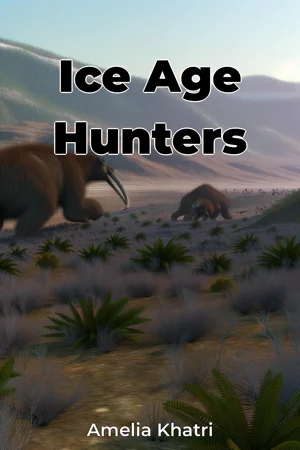
Imagine a world ruled by predators of immense power and cunning, creatures adapted to survive the harshest conditions of the Ice Age. "Ice Age Hunters" delves into this prehistoric realm, revealing the lives, hunting strategies, and eventual fates of the dominant carnivores that roamed the Earth during the Pleistocene epoch. This book explores not only the physical characteristics of these formidable hunters but also the ecological pressures and environmental shifts that shaped their existence. Understanding these past ecosystems provides crucial insights into predator-prey dynamics, climate change impacts, and species extinction, making the study of Ice Age predators highly relevant to contemporary conservation efforts. The primary focus of "Ice Age Hunters" is threefold. First, it provides detailed profiles of iconic Ice Age predators like the saber-toothed cat (Smilodon), the dire wolf (Canis dirus), and the short-faced bear (Arctodus simus), examining their anatomical adaptations, hunting techniques, and social behaviors. Second, the book reconstructs the environments these predators inhabited, exploring the interplay between climate, prey availability, and habitat structure. Finally, it investigates the reasons behind the extinction of many of these megafaunal carnivores, analyzing the roles of climate change, human activity, and competition in their demise. "Ice Age Hunters" is structured to provide a comprehensive overview of Ice Age predatory ecology. Following an introductory chapter that sets the stage with a general overview of the Pleistocene epoch and its major climate swings, the book is divided into three main sections. The first section introduces the major players, with chapters dedicated to individual predator species or groups. Each chapter examines the predator's physical attributes, geographic distribution, hunting behavior (gleaned from fossil evidence, skeletal analysis, and comparative studies with modern relatives), and place within the food web. The second section focuses on the environments these predators occupied, exploring the landscapes, prey animals, and climatic conditions that shaped their lives. This section will use paleontological data, geological records, and climate models to reconstruct Ice Age ecosystems. The final section tackles the extinction event, weighing the various hypotheses for the disappearance of these magnificent creatures. This section will examine the evidence for climate change impacts, human hunting pressure, and interspecies competition, presenting a balanced assessment of the contributing factors. The evidence presented in "Ice Age Hunters" will be drawn from a wide range of sources, including fossil discoveries, paleontological research, and geological data. The book will feature detailed analyses of skeletal remains, tooth marks on bones, and fossilized footprints to reconstruct predator behavior and prey selection. Stable isotope analysis will be used to determine the diets of these animals, while ancient DNA studies will shed light on their genetic relationships and evolutionary history. Climate data from ice cores, sediment layers, and fossil pollen will provide insights into the environmental changes that occurred during the Ice Age. "Ice Age Hunters" connects to several other fields of study, including paleontology, ecology, and climate science. By examining the fossil record of Ice Age predators, the book contributes to our understanding of evolutionary processes and the history of life on Earth. By reconstructing Ice Age ecosystems, the book provides valuable insights into predator-prey dynamics and the interactions between species and their environment. And by analyzing the causes of megafaunal extinctions, the book offers lessons for contemporary conservation efforts aimed at preventing future biodiversity loss. This book takes a unique approach by integrating the latest scientific findings from diverse fields to paint a comprehensive picture of Ice Age predatory ecology. It moves beyond simple descriptions of individual species to explore the complex interactions that shaped their lives and ultimately led to their extinction. The book is written in a clear and accessible style, making it suitable for general readers with an interest in natural history, paleontology, and conservation. The target audience for "Ice Age Hunters" includes students, educators, and anyone fascinated by prehistoric life. The book would be valuable to readers who want to learn more about the Ice Age megafauna, the factors that caused their extinction, and the lessons that can be learned from their story. Its accessible language and engaging narrative make it suitable for a wide range of readers, from high school students to amateur naturalists. As a work of science life sciences, history, biology, "Ice Age Hunters" strives to present factual information in an objective and unbiased manner. While the book will explore different hypotheses and interpretations of the evidence, it will clearly identify the sources of information and acknowledge the limitations of current knowledge. This book aims to provide a thorough examination of Ice Age predators and their world, while acknowledging the ongoing scientific debates and uncertainties that remain. The scope of "Ice Age Hunters" is limited to the dominant predators of the Pleistocene epoch in North America and Eurasia, focusing primarily on the saber-toothed cat, dire wolf, and short-faced bear. While other predators and regions may be mentioned, they will not be covered in as much detail. The information presented in "Ice Age Hunters" can be applied to a variety of real-world situations. By understanding the factors that contributed to the extinction of Ice Age megafauna, we can gain valuable insights into the threats facing contemporary wildlife populations. The book’s exploration of predator-prey dynamics and ecosystem resilience can inform conservation strategies aimed at maintaining biodiversity and preventing future extinctions.
Imagine a world ruled by predators of immense power and cunning, creatures adapted to survive the harshest conditions of the Ice Age. "Ice Age Hunters" delves into this prehistoric realm, revealing the lives, hunting strategies, and eventual fates of the dominant carnivores that roamed the Earth during the Pleistocene epoch. This book explores not only the physical characteristics of these formidable hunters but also the ecological pressures and environmental shifts that shaped their existence. Understanding these past ecosystems provides crucial insights into predator-prey dynamics, climate change impacts, and species extinction, making the study of Ice Age predators highly relevant to contemporary conservation efforts. The primary focus of "Ice Age Hunters" is threefold. First, it provides detailed profiles of iconic Ice Age predators like the saber-toothed cat (Smilodon), the dire wolf (Canis dirus), and the short-faced bear (Arctodus simus), examining their anatomical adaptations, hunting techniques, and social behaviors. Second, the book reconstructs the environments these predators inhabited, exploring the interplay between climate, prey availability, and habitat structure. Finally, it investigates the reasons behind the extinction of many of these megafaunal carnivores, analyzing the roles of climate change, human activity, and competition in their demise. "Ice Age Hunters" is structured to provide a comprehensive overview of Ice Age predatory ecology. Following an introductory chapter that sets the stage with a general overview of the Pleistocene epoch and its major climate swings, the book is divided into three main sections. The first section introduces the major players, with chapters dedicated to individual predator species or groups. Each chapter examines the predator's physical attributes, geographic distribution, hunting behavior (gleaned from fossil evidence, skeletal analysis, and comparative studies with modern relatives), and place within the food web. The second section focuses on the environments these predators occupied, exploring the landscapes, prey animals, and climatic conditions that shaped their lives. This section will use paleontological data, geological records, and climate models to reconstruct Ice Age ecosystems. The final section tackles the extinction event, weighing the various hypotheses for the disappearance of these magnificent creatures. This section will examine the evidence for climate change impacts, human hunting pressure, and interspecies competition, presenting a balanced assessment of the contributing factors. The evidence presented in "Ice Age Hunters" will be drawn from a wide range of sources, including fossil discoveries, paleontological research, and geological data. The book will feature detailed analyses of skeletal remains, tooth marks on bones, and fossilized footprints to reconstruct predator behavior and prey selection. Stable isotope analysis will be used to determine the diets of these animals, while ancient DNA studies will shed light on their genetic relationships and evolutionary history. Climate data from ice cores, sediment layers, and fossil pollen will provide insights into the environmental changes that occurred during the Ice Age. "Ice Age Hunters" connects to several other fields of study, including paleontology, ecology, and climate science. By examining the fossil record of Ice Age predators, the book contributes to our understanding of evolutionary processes and the history of life on Earth. By reconstructing Ice Age ecosystems, the book provides valuable insights into predator-prey dynamics and the interactions between species and their environment. And by analyzing the causes of megafaunal extinctions, the book offers lessons for contemporary conservation efforts aimed at preventing future biodiversity loss. This book takes a unique approach by integrating the latest scientific findings from diverse fields to paint a comprehensive picture of Ice Age predatory ecology. It moves beyond simple descriptions of individual species to explore the complex interactions that shaped their lives and ultimately led to their extinction. The book is written in a clear and accessible style, making it suitable for general readers with an interest in natural history, paleontology, and conservation. The target audience for "Ice Age Hunters" includes students, educators, and anyone fascinated by prehistoric life. The book would be valuable to readers who want to learn more about the Ice Age megafauna, the factors that caused their extinction, and the lessons that can be learned from their story. Its accessible language and engaging narrative make it suitable for a wide range of readers, from high school students to amateur naturalists. As a work of science life sciences, history, biology, "Ice Age Hunters" strives to present factual information in an objective and unbiased manner. While the book will explore different hypotheses and interpretations of the evidence, it will clearly identify the sources of information and acknowledge the limitations of current knowledge. This book aims to provide a thorough examination of Ice Age predators and their world, while acknowledging the ongoing scientific debates and uncertainties that remain. The scope of "Ice Age Hunters" is limited to the dominant predators of the Pleistocene epoch in North America and Eurasia, focusing primarily on the saber-toothed cat, dire wolf, and short-faced bear. While other predators and regions may be mentioned, they will not be covered in as much detail. The information presented in "Ice Age Hunters" can be applied to a variety of real-world situations. By understanding the factors that contributed to the extinction of Ice Age megafauna, we can gain valuable insights into the threats facing contemporary wildlife populations. The book’s exploration of predator-prey dynamics and ecosystem resilience can inform conservation strategies aimed at maintaining biodiversity and preventing future extinctions.
"Ice Age Hunters" explores the world of formidable predators that dominated the Pleistocene epoch, offering insights into their lives and eventual extinction. The book examines iconic creatures like the saber-toothed cat, dire wolf, and short-faced bear, detailing their anatomical adaptations and hunting strategies. One intriguing aspect is the role of climate change in shaping their existence; for instance, shifts in temperature and prey availability significantly impacted predator-prey dynamics. Furthermore, the book highlights the ecological pressures that contributed to megafauna extinctions, offering valuable lessons for modern conservation efforts. The book reconstructs Ice Age ecosystems by integrating fossil evidence, paleontological research, and geological data. It progresses by first introducing the major predator species, then focusing on the environments they inhabited, and finally tackling the extinction event. This approach allows readers to understand how climate, habitat, and competition influenced these predators. One key finding is the analysis of tooth marks on bones, which helps reconstruct predator behavior and prey selection. By connecting paleontology, ecology, and climate science, "Ice Age Hunters" provides a comprehensive and accessible view of prehistoric life.
Book Details
ISBN
9788233984267
Publisher
Publifye AS
Your Licenses
You don't own any licenses for this book
Purchase a license below to unlock this book and download the EPUB.
Purchase License
Select a tier to unlock this book
Need bulk licensing?
Contact us for enterprise agreements.