
About This Book
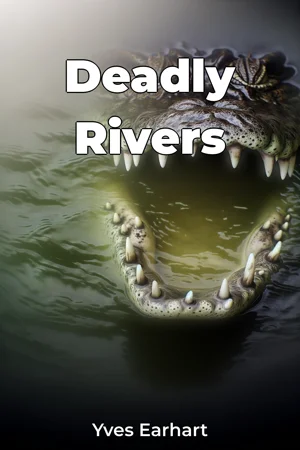
Have you ever wondered what truly lurks beneath the surface of the world's most formidable rivers? "Deadly Rivers" plunges into the heart of these freshwater ecosystems, revealing the complex relationships and survival strategies of the creatures that dominate them. This exploration focuses on the biology and ecology of rivers teeming with dangerous life, such as piranhas, crocodiles, and giant river otters, and illuminates the delicate balance that sustains these precarious environments. Understanding these dynamics is crucial as human activities increasingly impact these vital waterways. This book delves into several key topics: it first explores the evolutionary adaptations that enable these animals to thrive in often-challenging river conditions. Secondly, it examines the intricate food webs and predator-prey relationships that govern these ecosystems. Finally, it investigates the growing threats these rivers face due to pollution, habitat destruction, and climate change. These topics are important because they underscore the interconnectedness of life within these freshwater ecosystems and highlight the consequences of ecological disruption. The book provides necessary scientific context, explaining fundamental concepts like trophic levels, biodiversity, and the impact of invasive species. Prior knowledge of basic ecological principles will enhance the reading experience, but is not essential. The central argument of "Deadly Rivers" is that apex predators, like crocodiles and giant river otters, play a crucial role in maintaining the health and stability of river ecosystems, and that their decline has cascading effects on the entire food web. This argument is vital because it challenges traditional conservation approaches that may focus solely on charismatic megafauna without fully considering the importance of the entire ecological community and advocates for a more holistic and ecosystem-based conservation approach. The book follows a structured approach: It begins by introducing the concept of river ecosystems and their defining characteristics, followed by in-depth profiles of several "deadly" species, explaining their unique adaptations and behaviors. The subsequent sections develop ideas around competition, cooperation, and the impact of human activities on these delicate environments. The narrative culminates in a discussion of conservation strategies and the potential for restoring damaged river ecosystems. This includes practical examples of successful conservation efforts and explores the potential for future interventions. The evidence presented is based on a wide range of scientific research, including field studies, behavioral observations, and genetic analysis. This book also cites data from governmental agencies and ecological organizations involved in river conservation. "Deadly Rivers" connects to other fields such as zoology, environmental science, and conservation biology. By examining the ecological impact of human activities, it also indirectly touches on economics and sociology, highlighting the socio-economic drivers of environmental degradation. The unique approach of this book lies in its focus on the entire ecosystem, rather than on individual species in isolation. It emphasizes the functional roles different species play and how their interactions contribute to the overall health and resilience of the river ecosystem. The tone is informative and accessible, aiming to bridge the gap between scientific research and general understanding. The writing style balances scientific rigor with engaging storytelling, making complex ecological concepts understandable to a broad audience. The intended audience includes nature enthusiasts, students studying biology or environmental science, and anyone interested in learning more about the hidden world of rivers. The book's value lies in its ability to raise awareness about the importance of river conservation and inspire action to protect these vital ecosystems. As a work of nature writing and science journalism, "Deadly Rivers" adheres to the genre's conventions by presenting accurate information in an engaging and accessible manner. It includes detailed descriptions of animal behavior, and scientific findings. The book's scope is limited to freshwater river ecosystems, specifically those known for their dangerous inhabitants. It does not delve into marine environments or other types of freshwater habitats like lakes or ponds, allowing for a focused and in-depth exploration of the chosen subject matter. The information in "Deadly Rivers" can be applied practically by readers interested in supporting conservation efforts. The book provides insights into the kinds of policies and interventions that are most effective in protecting river ecosystems and encourages readers to become informed advocates for environmental protection. The book acknowledges ongoing debates within the scientific community regarding the best approaches to river conservation. For example, it addresses different perspectives on the role of dam removal in restoring river ecosystems and the importance of managing invasive species.
Have you ever wondered what truly lurks beneath the surface of the world's most formidable rivers? "Deadly Rivers" plunges into the heart of these freshwater ecosystems, revealing the complex relationships and survival strategies of the creatures that dominate them. This exploration focuses on the biology and ecology of rivers teeming with dangerous life, such as piranhas, crocodiles, and giant river otters, and illuminates the delicate balance that sustains these precarious environments. Understanding these dynamics is crucial as human activities increasingly impact these vital waterways. This book delves into several key topics: it first explores the evolutionary adaptations that enable these animals to thrive in often-challenging river conditions. Secondly, it examines the intricate food webs and predator-prey relationships that govern these ecosystems. Finally, it investigates the growing threats these rivers face due to pollution, habitat destruction, and climate change. These topics are important because they underscore the interconnectedness of life within these freshwater ecosystems and highlight the consequences of ecological disruption. The book provides necessary scientific context, explaining fundamental concepts like trophic levels, biodiversity, and the impact of invasive species. Prior knowledge of basic ecological principles will enhance the reading experience, but is not essential. The central argument of "Deadly Rivers" is that apex predators, like crocodiles and giant river otters, play a crucial role in maintaining the health and stability of river ecosystems, and that their decline has cascading effects on the entire food web. This argument is vital because it challenges traditional conservation approaches that may focus solely on charismatic megafauna without fully considering the importance of the entire ecological community and advocates for a more holistic and ecosystem-based conservation approach. The book follows a structured approach: It begins by introducing the concept of river ecosystems and their defining characteristics, followed by in-depth profiles of several "deadly" species, explaining their unique adaptations and behaviors. The subsequent sections develop ideas around competition, cooperation, and the impact of human activities on these delicate environments. The narrative culminates in a discussion of conservation strategies and the potential for restoring damaged river ecosystems. This includes practical examples of successful conservation efforts and explores the potential for future interventions. The evidence presented is based on a wide range of scientific research, including field studies, behavioral observations, and genetic analysis. This book also cites data from governmental agencies and ecological organizations involved in river conservation. "Deadly Rivers" connects to other fields such as zoology, environmental science, and conservation biology. By examining the ecological impact of human activities, it also indirectly touches on economics and sociology, highlighting the socio-economic drivers of environmental degradation. The unique approach of this book lies in its focus on the entire ecosystem, rather than on individual species in isolation. It emphasizes the functional roles different species play and how their interactions contribute to the overall health and resilience of the river ecosystem. The tone is informative and accessible, aiming to bridge the gap between scientific research and general understanding. The writing style balances scientific rigor with engaging storytelling, making complex ecological concepts understandable to a broad audience. The intended audience includes nature enthusiasts, students studying biology or environmental science, and anyone interested in learning more about the hidden world of rivers. The book's value lies in its ability to raise awareness about the importance of river conservation and inspire action to protect these vital ecosystems. As a work of nature writing and science journalism, "Deadly Rivers" adheres to the genre's conventions by presenting accurate information in an engaging and accessible manner. It includes detailed descriptions of animal behavior, and scientific findings. The book's scope is limited to freshwater river ecosystems, specifically those known for their dangerous inhabitants. It does not delve into marine environments or other types of freshwater habitats like lakes or ponds, allowing for a focused and in-depth exploration of the chosen subject matter. The information in "Deadly Rivers" can be applied practically by readers interested in supporting conservation efforts. The book provides insights into the kinds of policies and interventions that are most effective in protecting river ecosystems and encourages readers to become informed advocates for environmental protection. The book acknowledges ongoing debates within the scientific community regarding the best approaches to river conservation. For example, it addresses different perspectives on the role of dam removal in restoring river ecosystems and the importance of managing invasive species.
"Deadly Rivers" explores the hidden world beneath the surface of freshwater ecosystems, focusing on the biology and ecology of rivers dominated by formidable creatures. These apex predators, such as crocodiles and giant river otters, play a crucial role in maintaining the health and stability of their environments. The book reveals the intricate food webs and predator-prey relationships governing these ecosystems, underscoring the importance of each species' function within the community. Did you know that apex predators influence the entire food web, and their decline can have cascading effects on the ecosystem? The book uniquely emphasizes a holistic approach to conservation biology, advocating for strategies that consider the entire ecosystem rather than isolated species. It addresses the growing threats these rivers face due to pollution, habitat destruction, and climate change. Beginning with an introduction to river ecosystems and their defining characteristics, "Deadly Rivers" progresses through in-depth profiles of various species and culminates in a discussion of conservation strategies and the potential for restoring damaged river ecosystems. By examining the ecological impact of human activities, the book connects to fields such as zoology and environmental science.
Book Details
ISBN
9788233984229
Publisher
Publifye AS
Your Licenses
You don't own any licenses for this book
Purchase a license below to unlock this book and download the EPUB.
Purchase License
Select a tier to unlock this book
Need bulk licensing?
Contact us for enterprise agreements.