
About This Book
Did you know that beneath the surface of India, a land renowned for its diverse culture and history, lies a network of geothermal activity that manifests in the form of natural hot springs, each with its unique story to tell? This book, 'Hot Springs of India,' delves into these fascinating geological features, exploring their origins, cultural significance, and potential benefits. It's not just about rocks and water; it’s about the intersection of earth science, human health, tourism, and age-old traditions. We embark on a journey to understand the geothermal processes responsible for creating these springs. We examine the geological conditions and tectonic activity that allow heated groundwater to rise to the surface. This is important as understanding these geological processes is crucial for sustainable resource management and predicting potential hazards in these regions. Furthermore, we delve into the cultural context, exploring how these springs have been revered and utilized by local communities for centuries in various healing practices and traditions. The central argument of this book is that India's hot springs are not merely geological curiosities but represent a vital resource with multifaceted implications for health, tourism, and the preservation of local heritage. This perspective shifts the perception of hot springs from simple tourist spots to crucial elements in the socio-economic and cultural landscape of the regions they inhabit. The book’s structure begins by introducing the fundamental concepts of geothermal energy and hydrology, followed by a detailed mapping and classification of India's major hot spring locations. We then move to an examination of the therapeutic properties of the water, based on scientific analyses and traditional knowledge, looking into the mineral composition and potential health benefits. A significant portion of the book explores the role of these springs in local traditions, rituals, and their impact on the local economy through tourism. It culminates with a discussion on the sustainable management and conservation of these resources, factoring in both environmental concerns and the needs of the local communities. The evidence presented is drawn from a variety of sources, including geological surveys, geochemical analyses of spring water, historical records, ethnographic studies, and interviews with local communities. Original data from field research conducted across various hot spring sites supplements existing literature, providing a comprehensive and up-to-date perspective. 'Hot Springs of India' bridges several disciplines, most notably earth sciences and medical anthropology. By examining the geological origins of the springs alongside their cultural and medicinal uses, the book provides a holistic understanding that neither discipline could achieve alone. The book also connects to the field of sustainable tourism, as it explores the potential for developing eco-friendly tourism practices that benefit both visitors and local communities while preserving the natural environment. This book adopts a descriptive, yet analytical, style, aiming for accessibility without compromising scientific rigor. It avoids jargon where possible and provides clear explanations of complex concepts, making it suitable for a broad readership. The target audience includes students and researchers in earth sciences, geography, and anthropology, as well as tourists, wellness enthusiasts, and anyone interested in the natural and cultural heritage of India. The book offers valuable insights into a relatively unexplored aspect of India, making it a useful resource for both academic and general readers. As a work of non-fiction in the travel and earth sciences genres, 'Hot Springs of India' aims to provide accurate, well-researched information while also capturing the wonder and appeal of these natural phenomena. The scope of the book is limited to the geographical boundaries of India and focuses primarily on accessible and well-documented hot spring locations. While it acknowledges the global context of geothermal activity, its primary focus remains on the unique characteristics and socio-cultural context of Indian hot springs. The information presented can be applied practically in several ways. It can inform the development of sustainable tourism initiatives, guide public health policies related to the use of hot springs for therapeutic purposes, and contribute to the preservation of traditional knowledge associated with these sites. Furthermore, the book addresses the ongoing debate surrounding the sustainable use of geothermal energy. While hot springs represent a renewable resource, their exploitation must be carefully managed to avoid environmental damage and ensure the long-term availability of the resource for both human use and ecosystem health.
Did you know that beneath the surface of India, a land renowned for its diverse culture and history, lies a network of geothermal activity that manifests in the form of natural hot springs, each with its unique story to tell? This book, 'Hot Springs of India,' delves into these fascinating geological features, exploring their origins, cultural significance, and potential benefits. It's not just about rocks and water; it’s about the intersection of earth science, human health, tourism, and age-old traditions. We embark on a journey to understand the geothermal processes responsible for creating these springs. We examine the geological conditions and tectonic activity that allow heated groundwater to rise to the surface. This is important as understanding these geological processes is crucial for sustainable resource management and predicting potential hazards in these regions. Furthermore, we delve into the cultural context, exploring how these springs have been revered and utilized by local communities for centuries in various healing practices and traditions. The central argument of this book is that India's hot springs are not merely geological curiosities but represent a vital resource with multifaceted implications for health, tourism, and the preservation of local heritage. This perspective shifts the perception of hot springs from simple tourist spots to crucial elements in the socio-economic and cultural landscape of the regions they inhabit. The book’s structure begins by introducing the fundamental concepts of geothermal energy and hydrology, followed by a detailed mapping and classification of India's major hot spring locations. We then move to an examination of the therapeutic properties of the water, based on scientific analyses and traditional knowledge, looking into the mineral composition and potential health benefits. A significant portion of the book explores the role of these springs in local traditions, rituals, and their impact on the local economy through tourism. It culminates with a discussion on the sustainable management and conservation of these resources, factoring in both environmental concerns and the needs of the local communities. The evidence presented is drawn from a variety of sources, including geological surveys, geochemical analyses of spring water, historical records, ethnographic studies, and interviews with local communities. Original data from field research conducted across various hot spring sites supplements existing literature, providing a comprehensive and up-to-date perspective. 'Hot Springs of India' bridges several disciplines, most notably earth sciences and medical anthropology. By examining the geological origins of the springs alongside their cultural and medicinal uses, the book provides a holistic understanding that neither discipline could achieve alone. The book also connects to the field of sustainable tourism, as it explores the potential for developing eco-friendly tourism practices that benefit both visitors and local communities while preserving the natural environment. This book adopts a descriptive, yet analytical, style, aiming for accessibility without compromising scientific rigor. It avoids jargon where possible and provides clear explanations of complex concepts, making it suitable for a broad readership. The target audience includes students and researchers in earth sciences, geography, and anthropology, as well as tourists, wellness enthusiasts, and anyone interested in the natural and cultural heritage of India. The book offers valuable insights into a relatively unexplored aspect of India, making it a useful resource for both academic and general readers. As a work of non-fiction in the travel and earth sciences genres, 'Hot Springs of India' aims to provide accurate, well-researched information while also capturing the wonder and appeal of these natural phenomena. The scope of the book is limited to the geographical boundaries of India and focuses primarily on accessible and well-documented hot spring locations. While it acknowledges the global context of geothermal activity, its primary focus remains on the unique characteristics and socio-cultural context of Indian hot springs. The information presented can be applied practically in several ways. It can inform the development of sustainable tourism initiatives, guide public health policies related to the use of hot springs for therapeutic purposes, and contribute to the preservation of traditional knowledge associated with these sites. Furthermore, the book addresses the ongoing debate surrounding the sustainable use of geothermal energy. While hot springs represent a renewable resource, their exploitation must be carefully managed to avoid environmental damage and ensure the long-term availability of the resource for both human use and ecosystem health.
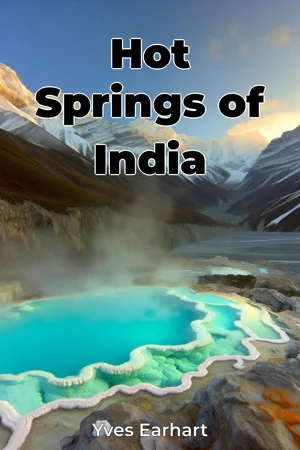
"Hot Springs of India" explores the fascinating world of India's geothermal areas, revealing their origins and cultural importance. It highlights how these natural hot springs, born from the earth's internal heat, have been used in healing practices and are intertwined with local traditions. The book examines not only the geological features but also how these springs play a crucial role in local economies through sustainable tourism. The book delves into the earth sciences behind geothermal activity, explaining how tectonic activity heats groundwater. It discusses the therapeutic properties of these waters, drawing from scientific analyses and traditional knowledge. As the book progresses, it maps and classifies major hot spring locations across India, explores their therapeutic potential, and examines their role in local traditions before finally discussing the need for sustainable management to protect these resources and support local communities.
Book Details
ISBN
9788233984175
Publisher
Publifye AS
Your Licenses
You don't own any licenses for this book
Purchase a license below to unlock this book and download the EPUB.
Purchase License
Select a tier to unlock this book
Need bulk licensing?
Contact us for enterprise agreements.