
About This Book
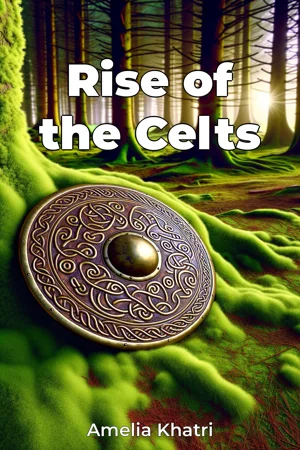
Who were the Celts, and why does their story still resonate millennia later? "Rise of the Celts" delves into the captivating history of this influential people, exploring their expansion across Europe, their distinctive warrior culture, and the enduring power of their myths and legends. These topics are paramount to understanding a crucial period in European history, offering insights into the development of languages, cultures, and societal structures that continue to shape the continent today. This book presents a comprehensive account of the Celts, tracing their origins from the Late Bronze Age through their period of greatest influence and eventual assimilation into the Roman Empire and other cultures. It requires no prior specialized knowledge, providing clear explanations of archaeological findings, linguistic developments, and historical accounts. The central argument of "Rise of the Celts" is that the Celtic influence on Europe was more profound and widespread than often acknowledged. While not unified under a single empire, the Celts spread their culture, languages, and technologies across a vast territory, leaving a lasting legacy in art, religion, and social organization. Appreciating this influence is vital for a complete understanding of European history. The book begins by introducing the archaeological and linguistic evidence that points to the Celts' origins and early migrations. We then examine their expansion across Europe, detailing their interactions with other cultures, including the Romans and Germanic tribes. A significant portion of the book is devoted to the Celtic warrior culture: weaponry, tactics, and social organization. Following this, we explore Celtic mythology and religious beliefs, examining prominent deities, rituals, and the significance of the Druids. The narrative culminates by analyzing the factors that contributed to the decline of Celtic power, including Roman conquest and internal conflicts, and finally the book explores their cultural legacy. Support for the arguments presented comes from a variety of sources, including archaeological finds (weapons, tools, settlements), linguistic analysis of Celtic languages, and historical accounts from Roman and Greek writers. The book also draws upon recent scholarship that challenges traditional interpretations of Celtic history. "Rise of the Celts" also connects to other fields like anthropology, archaeology, and comparative religion, enhancing our argument by providing multiple perspectives on Celtic society and culture. Moreover, the book explores links to art history, particularly the intricate designs and symbolism found in Celtic metalwork and illuminated manuscripts. This book offers a balanced and nuanced perspective on the Celts, moving beyond romantic stereotypes to present a realistic portrayal of their achievements and failures. The writing style is accessible and engaging, aimed at both general readers and students interested in history and archaeology. The target audience is broad, including anyone interested in European history, ancient cultures, or mythology. "Rise of the Celts" is valuable because it offers a comprehensive and up-to-date account of the Celts, drawing on the most recent research and offering fresh insights into their history and culture. As a work of history, "Rise of the Celts" adheres to the standards of academic rigor, providing clear citations and a comprehensive bibliography. The scope of the book encompasses the period from the Late Bronze Age to the early medieval period, focusing on the Celts in continental Europe and the British Isles. It intentionally limits its coverage of modern Celtic identity to the epilogue, primarily focusing on the historical period. The information in "Rise of the Celts" can be applied to a better understanding of European cultural heritage, the origins of certain languages and customs, and the dynamics of intercultural interaction. The book addresses controversies surrounding the interpretation of archaeological evidence and the reconstruction of Celtic religious beliefs, presenting different viewpoints and offering reasoned conclusions.
Who were the Celts, and why does their story still resonate millennia later? "Rise of the Celts" delves into the captivating history of this influential people, exploring their expansion across Europe, their distinctive warrior culture, and the enduring power of their myths and legends. These topics are paramount to understanding a crucial period in European history, offering insights into the development of languages, cultures, and societal structures that continue to shape the continent today. This book presents a comprehensive account of the Celts, tracing their origins from the Late Bronze Age through their period of greatest influence and eventual assimilation into the Roman Empire and other cultures. It requires no prior specialized knowledge, providing clear explanations of archaeological findings, linguistic developments, and historical accounts. The central argument of "Rise of the Celts" is that the Celtic influence on Europe was more profound and widespread than often acknowledged. While not unified under a single empire, the Celts spread their culture, languages, and technologies across a vast territory, leaving a lasting legacy in art, religion, and social organization. Appreciating this influence is vital for a complete understanding of European history. The book begins by introducing the archaeological and linguistic evidence that points to the Celts' origins and early migrations. We then examine their expansion across Europe, detailing their interactions with other cultures, including the Romans and Germanic tribes. A significant portion of the book is devoted to the Celtic warrior culture: weaponry, tactics, and social organization. Following this, we explore Celtic mythology and religious beliefs, examining prominent deities, rituals, and the significance of the Druids. The narrative culminates by analyzing the factors that contributed to the decline of Celtic power, including Roman conquest and internal conflicts, and finally the book explores their cultural legacy. Support for the arguments presented comes from a variety of sources, including archaeological finds (weapons, tools, settlements), linguistic analysis of Celtic languages, and historical accounts from Roman and Greek writers. The book also draws upon recent scholarship that challenges traditional interpretations of Celtic history. "Rise of the Celts" also connects to other fields like anthropology, archaeology, and comparative religion, enhancing our argument by providing multiple perspectives on Celtic society and culture. Moreover, the book explores links to art history, particularly the intricate designs and symbolism found in Celtic metalwork and illuminated manuscripts. This book offers a balanced and nuanced perspective on the Celts, moving beyond romantic stereotypes to present a realistic portrayal of their achievements and failures. The writing style is accessible and engaging, aimed at both general readers and students interested in history and archaeology. The target audience is broad, including anyone interested in European history, ancient cultures, or mythology. "Rise of the Celts" is valuable because it offers a comprehensive and up-to-date account of the Celts, drawing on the most recent research and offering fresh insights into their history and culture. As a work of history, "Rise of the Celts" adheres to the standards of academic rigor, providing clear citations and a comprehensive bibliography. The scope of the book encompasses the period from the Late Bronze Age to the early medieval period, focusing on the Celts in continental Europe and the British Isles. It intentionally limits its coverage of modern Celtic identity to the epilogue, primarily focusing on the historical period. The information in "Rise of the Celts" can be applied to a better understanding of European cultural heritage, the origins of certain languages and customs, and the dynamics of intercultural interaction. The book addresses controversies surrounding the interpretation of archaeological evidence and the reconstruction of Celtic religious beliefs, presenting different viewpoints and offering reasoned conclusions.
"Rise of the Celts" explores the history of the Celts, from their origins in the Late Bronze Age to their interactions with the Roman Empire. This book addresses the captivating story of their expansion across Europe, their unique warrior culture, and the lasting impact of their myths and legends. This book emphasizes the profound influence of Celtic culture, languages, and technologies on the development of Europe, which is often underestimated in traditional historical accounts. The book highlights the Celts' decentralized structure, contrasting them with unified empires, and emphasizes their lasting legacy in areas like art and religion. The book presents evidence from archaeology, linguistics, and historical texts to support its arguments. "Rise of the Celts" examines their spread across Europe, detailing interactions with other cultures, and devotes significant attention to their warrior culture, weaponry, tactics, and social organization. Following this, it explores Celtic mythology and religious practices, examining prominent deities, rituals, and the role of the Druids. It also analyzes the factors leading to the decline of Celtic power, including Roman conquest and internal conflicts, while considering their cultural legacy.
Book Details
ISBN
9788233984038
Publisher
Publifye AS
Your Licenses
You don't own any licenses for this book
Purchase a license below to unlock this book and download the EPUB.
Purchase License
Select a tier to unlock this book
Need bulk licensing?
Contact us for enterprise agreements.