
About This Book
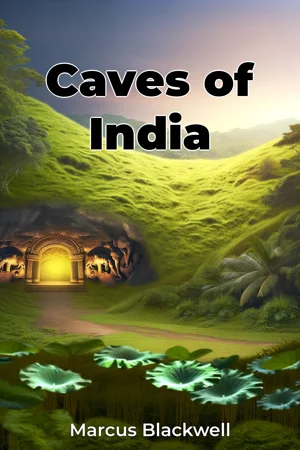
Are you ready to descend into the depths of time and explore some of India’s most captivating geological and artistic wonders? "Caves of India" invites you on an exploration of the subcontinent's intricate cave systems, delving into their geological history, their profound influence on religion and art, and their growing role in tourism. This book examines how these subterranean spaces have served as canvases for artistic expression, sanctuaries for spiritual contemplation, and destinations for modern-day travelers. India's caves represent a unique intersection of natural history and human endeavor. They are not merely geological formations; they are living monuments that reflect the evolving cultural landscape of the region. Understanding these caves requires a multidisciplinary approach, encompassing geological processes, artistic styles, religious practices, and tourism management. This book argues that India's caves are vital archives of the country's rich history and cultural heritage. By analyzing the geological formations, the art they contain, and their religious significance, we gain valuable insight into the history, beliefs, and artistic accomplishments of the diverse populations that have inhabited the Indian subcontinent. The book is structured to first introduce the geological processes that created these cave systems, detailing the specific rock formations, hydrological influences, and tectonic activity involved. It then transitions into an examination of the caves' role as sacred spaces, exploring the various religious traditions – Hinduism, Buddhism, and Jainism – that have utilized these natural formations for worship, meditation, and artistic expression. A significant portion of the book is dedicated to the cave art itself, analyzing the styles, techniques, and symbolism present in various cave paintings and sculptures. We then explore the modern context of the caves, examining their function as tourist destinations and the challenges of preserving these sites in the face of increasing visitor traffic and environmental pressures. The arguments presented are supported by a range of evidence, including geological surveys, archaeological findings, art historical analyses, and ethnographic studies. The book draws upon primary sources such as ancient texts, inscriptions, and travelers' accounts, as well as secondary sources from leading scholars in the fields of geology, art history, religious studies, and tourism management. "Caves of India" connects to several other fields of study including geology, archaeology, art history, religious studies, and tourism management. This interdisciplinary approach provides a holistic understanding of these complex sites. This book offers a unique perspective by combining scientific analysis with cultural interpretation. It aims to provide a comprehensive yet accessible account of India's caves, making it valuable to both academic researchers and general readers with an interest in history, art, religion, and travel. The tone of the book is informative and engaging, balancing scholarly rigor with accessible language to appeal to a broad audience. Intended readership includes students of history, art, and religion; travel enthusiasts; and anyone interested in learning more about India's rich cultural heritage. As a work of non-fiction, this book is committed to presenting accurate and well-researched information while avoiding sensationalism. The scope of the book is limited to the major cave systems of India, with a focus on those that are of significant historical, artistic, or religious importance. The information presented can be used for planning trips, understanding the cultural importance of these sites, and advocating for their preservation. The book also touches upon various ongoing preservation efforts and debates surrounding tourism management and conservation strategies.
Are you ready to descend into the depths of time and explore some of India’s most captivating geological and artistic wonders? "Caves of India" invites you on an exploration of the subcontinent's intricate cave systems, delving into their geological history, their profound influence on religion and art, and their growing role in tourism. This book examines how these subterranean spaces have served as canvases for artistic expression, sanctuaries for spiritual contemplation, and destinations for modern-day travelers. India's caves represent a unique intersection of natural history and human endeavor. They are not merely geological formations; they are living monuments that reflect the evolving cultural landscape of the region. Understanding these caves requires a multidisciplinary approach, encompassing geological processes, artistic styles, religious practices, and tourism management. This book argues that India's caves are vital archives of the country's rich history and cultural heritage. By analyzing the geological formations, the art they contain, and their religious significance, we gain valuable insight into the history, beliefs, and artistic accomplishments of the diverse populations that have inhabited the Indian subcontinent. The book is structured to first introduce the geological processes that created these cave systems, detailing the specific rock formations, hydrological influences, and tectonic activity involved. It then transitions into an examination of the caves' role as sacred spaces, exploring the various religious traditions – Hinduism, Buddhism, and Jainism – that have utilized these natural formations for worship, meditation, and artistic expression. A significant portion of the book is dedicated to the cave art itself, analyzing the styles, techniques, and symbolism present in various cave paintings and sculptures. We then explore the modern context of the caves, examining their function as tourist destinations and the challenges of preserving these sites in the face of increasing visitor traffic and environmental pressures. The arguments presented are supported by a range of evidence, including geological surveys, archaeological findings, art historical analyses, and ethnographic studies. The book draws upon primary sources such as ancient texts, inscriptions, and travelers' accounts, as well as secondary sources from leading scholars in the fields of geology, art history, religious studies, and tourism management. "Caves of India" connects to several other fields of study including geology, archaeology, art history, religious studies, and tourism management. This interdisciplinary approach provides a holistic understanding of these complex sites. This book offers a unique perspective by combining scientific analysis with cultural interpretation. It aims to provide a comprehensive yet accessible account of India's caves, making it valuable to both academic researchers and general readers with an interest in history, art, religion, and travel. The tone of the book is informative and engaging, balancing scholarly rigor with accessible language to appeal to a broad audience. Intended readership includes students of history, art, and religion; travel enthusiasts; and anyone interested in learning more about India's rich cultural heritage. As a work of non-fiction, this book is committed to presenting accurate and well-researched information while avoiding sensationalism. The scope of the book is limited to the major cave systems of India, with a focus on those that are of significant historical, artistic, or religious importance. The information presented can be used for planning trips, understanding the cultural importance of these sites, and advocating for their preservation. The book also touches upon various ongoing preservation efforts and debates surrounding tourism management and conservation strategies.
"Caves of India" explores the captivating cave systems of the Indian subcontinent, revealing their geological origins, religious significance, artistic treasures, and modern-day role in tourism. The book argues that these caves are vital archives, offering insights into India's history, beliefs, and artistic accomplishments. One intriguing aspect is how these caves served as sanctuaries for multiple religions, including Hinduism, Buddhism, and Jainism, each leaving its unique mark through art and architecture. Also explored is the surprising complexity of the geological formations themselves, shaped by tectonic activity and hydrological influences over millennia. The book adopts a multidisciplinary approach, blending geological surveys, archaeological findings, and art historical analyses. It progresses from detailing the geological processes that formed the caves to examining their role as sacred spaces and analyzing the cave art. This exploration extends to the caves' modern context as tourist destinations, addressing preservation challenges. By combining scientific analysis with cultural interpretation, "Caves of India" provides a unique and accessible account, valuable for researchers and general readers interested in history, art, religion, and travel.
Book Details
ISBN
9788233983987
Publisher
Publifye AS
Your Licenses
You don't own any licenses for this book
Purchase a license below to unlock this book and download the EPUB.
Purchase License
Select a tier to unlock this book
Need bulk licensing?
Contact us for enterprise agreements.