
About This Book
Have you ever considered that some of nature's deadliest creatures rely on cooperation for survival? “Deadly Symbiosis” delves into the counterintuitive world of partnerships where danger and mutual benefit intertwine, revealing the intricate relationships that shape ecosystems. This book explores how species form alliances that defy conventional understanding of predator-prey dynamics and competitive exclusion. It seeks to illuminate the delicate balance between life and death in the natural world, focusing on how such partnerships can be essential for the survival of all parties. Two primary topics frame the core of this exploration: first, the protective relationships where one species shields another from harm in exchange for resources or services; and second, the cleaning symbioses where one species removes parasites or dead tissue from a potentially dangerous partner. These topics are significant because they challenge the traditional view of nature as a purely competitive arena, highlighting the importance of cooperation as a survival strategy. Understanding these relationships allows for a more nuanced appreciation of ecological stability and the interconnectedness of life. This book's central argument is that deadly symbioses, despite their apparent contradiction, are fundamental drivers of biodiversity and ecosystem health. These seemingly paradoxical relationships create stable ecological niches and allow species to thrive in environments where they would otherwise perish. This argument is crucial because it shifts the perspective from individual survival to ecosystem-level resilience, demonstrating that cooperation, even among dangerous organisms, can lead to greater stability and productivity in the long run. The book is structured to guide the reader through a progressive understanding of these concepts. It begins by introducing the basic principles of symbiosis and its various forms, setting the stage for a deeper dive into deadly interactions. The first major section examines protective symbioses, illustrating how ants defend plants from herbivores in exchange for shelter and food, or how certain fish species create safe zones for others. The second section focuses on cleaning symbioses, detailing the relationships between cleaner fish and their larger, often predatory clients, and how these interactions reduce disease and promote overall health within aquatic ecosystems. The final section explores the evolutionary origins of these relationships and their implications for conservation efforts. The evidence presented in "Deadly Symbiosis" is drawn from a wide range of scientific research, including field studies, laboratory experiments, and genomic analyses. Original data from long-term ecological monitoring projects are presented, offering unique insights into the dynamics of these interactions over time. The book uses case studies and scientific data to show the complexities involved in these relationships. The book connects to other fields such as evolutionary biology, conservation ecology, and even medicine. Evolutionary biology provides the framework for understanding how these relationships evolved over time. Conservation ecology benefits from understanding how symbiotic relationships can be used to protect endangered species and restore degraded ecosystems. Medicine can gain insights into the complex interactions between beneficial and harmful organisms. This book takes a unique perspective by focusing specifically on symbioses that involve dangerous or potentially lethal interactions. It highlights the inherent risk and reward involved in these partnerships, offering a fresh perspective on the role of cooperation in the natural world. Written in a clear and accessible style, "Deadly Symbiosis" aims to engage a broad audience, including students, researchers, and anyone with an interest in nature and biology. It would be valuable to students because it provides real-world examples of ecological principles, and for researchers because it offers new insights into the complex dynamics of species interactions. As a non-fiction science book, “Deadly Symbiosis” emphasizes accurate and evidence-based information presented in a way that is both informative and engaging. The scope of the book is intentionally broad, encompassing a wide range of organisms and ecosystems, but with a specific focus on partnerships. The information in "Deadly Symbiosis" can be applied practically in conservation efforts, helping to design strategies that protect not just individual species but also the intricate web of relationships that sustain them. By understanding these dynamics, conservationists can more effectively manage ecosystems and promote biodiversity. "Deadly Symbiosis" addresses some ongoing scientific debates, such as the extent to which cooperation drives evolution and the long-term stability of symbiotic relationships in the face of environmental change. It encourages readers to consider the complexities and uncertainties inherent in scientific research, and to challenge their own assumptions about the natural world.
Have you ever considered that some of nature's deadliest creatures rely on cooperation for survival? “Deadly Symbiosis” delves into the counterintuitive world of partnerships where danger and mutual benefit intertwine, revealing the intricate relationships that shape ecosystems. This book explores how species form alliances that defy conventional understanding of predator-prey dynamics and competitive exclusion. It seeks to illuminate the delicate balance between life and death in the natural world, focusing on how such partnerships can be essential for the survival of all parties. Two primary topics frame the core of this exploration: first, the protective relationships where one species shields another from harm in exchange for resources or services; and second, the cleaning symbioses where one species removes parasites or dead tissue from a potentially dangerous partner. These topics are significant because they challenge the traditional view of nature as a purely competitive arena, highlighting the importance of cooperation as a survival strategy. Understanding these relationships allows for a more nuanced appreciation of ecological stability and the interconnectedness of life. This book's central argument is that deadly symbioses, despite their apparent contradiction, are fundamental drivers of biodiversity and ecosystem health. These seemingly paradoxical relationships create stable ecological niches and allow species to thrive in environments where they would otherwise perish. This argument is crucial because it shifts the perspective from individual survival to ecosystem-level resilience, demonstrating that cooperation, even among dangerous organisms, can lead to greater stability and productivity in the long run. The book is structured to guide the reader through a progressive understanding of these concepts. It begins by introducing the basic principles of symbiosis and its various forms, setting the stage for a deeper dive into deadly interactions. The first major section examines protective symbioses, illustrating how ants defend plants from herbivores in exchange for shelter and food, or how certain fish species create safe zones for others. The second section focuses on cleaning symbioses, detailing the relationships between cleaner fish and their larger, often predatory clients, and how these interactions reduce disease and promote overall health within aquatic ecosystems. The final section explores the evolutionary origins of these relationships and their implications for conservation efforts. The evidence presented in "Deadly Symbiosis" is drawn from a wide range of scientific research, including field studies, laboratory experiments, and genomic analyses. Original data from long-term ecological monitoring projects are presented, offering unique insights into the dynamics of these interactions over time. The book uses case studies and scientific data to show the complexities involved in these relationships. The book connects to other fields such as evolutionary biology, conservation ecology, and even medicine. Evolutionary biology provides the framework for understanding how these relationships evolved over time. Conservation ecology benefits from understanding how symbiotic relationships can be used to protect endangered species and restore degraded ecosystems. Medicine can gain insights into the complex interactions between beneficial and harmful organisms. This book takes a unique perspective by focusing specifically on symbioses that involve dangerous or potentially lethal interactions. It highlights the inherent risk and reward involved in these partnerships, offering a fresh perspective on the role of cooperation in the natural world. Written in a clear and accessible style, "Deadly Symbiosis" aims to engage a broad audience, including students, researchers, and anyone with an interest in nature and biology. It would be valuable to students because it provides real-world examples of ecological principles, and for researchers because it offers new insights into the complex dynamics of species interactions. As a non-fiction science book, “Deadly Symbiosis” emphasizes accurate and evidence-based information presented in a way that is both informative and engaging. The scope of the book is intentionally broad, encompassing a wide range of organisms and ecosystems, but with a specific focus on partnerships. The information in "Deadly Symbiosis" can be applied practically in conservation efforts, helping to design strategies that protect not just individual species but also the intricate web of relationships that sustain them. By understanding these dynamics, conservationists can more effectively manage ecosystems and promote biodiversity. "Deadly Symbiosis" addresses some ongoing scientific debates, such as the extent to which cooperation drives evolution and the long-term stability of symbiotic relationships in the face of environmental change. It encourages readers to consider the complexities and uncertainties inherent in scientific research, and to challenge their own assumptions about the natural world.
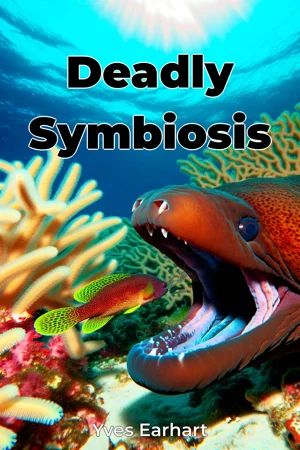
"Deadly Symbiosis" explores the surprising cooperative relationships found even among nature's most dangerous creatures. It delves into how species form alliances for survival, challenging the conventional view of nature as solely competitive. The book highlights protective symbioses, where one species shields another from harm, such as ants defending plants from herbivores. It also examines cleaning symbioses, like cleaner fish removing parasites from predatory clients, showcasing the mutual benefits derived from these interactions. These relationships are essential for ecological stability and biodiversity, underscoring the importance of cooperation as a survival strategy. The book progresses by first introducing the principles of symbiosis, then diving into protective relationships, and finally, exploring cleaning symbioses. It uses field studies and scientific data to illustrate these complex interactions. "Deadly Symbiosis" argues that these partnerships are fundamental drivers of ecosystem health, creating stable ecological niches that allow species to thrive. This perspective shifts the focus from individual survival to ecosystem-level resilience, demonstrating that cooperation, even among dangerous organisms, leads to greater stability and productivity.
Book Details
ISBN
9788233983970
Publisher
Publifye AS
Your Licenses
You don't own any licenses for this book
Purchase a license below to unlock this book and download the EPUB.
Purchase License
Select a tier to unlock this book
Need bulk licensing?
Contact us for enterprise agreements.